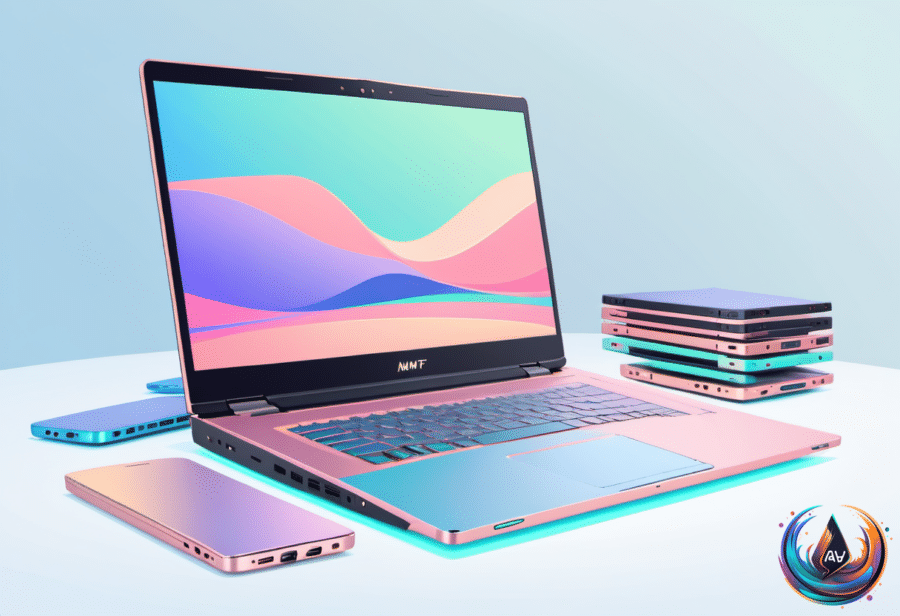
The MacBook Pro has become more expensive in real terms since 2021, even when the headline prices do not tell the whole story. Apple’s 2026 entry-level models now match or exceed the prices of comparable 2021 versions, while higher component costs are putting pressure on Apple’s wider hardware lineup.
The clearest example sits in the 16-inch MacBook Pro. The 2021 model with an M1 Pro cost $2,499. Adjusted to 2026 prices, that amount equals about $3,084, but the 2026 16-inch MacBook Pro with an M5 Pro costs $2,999. That is still $500 more than the 2021 version’s original price.
How MacBook Pro prices changed
In 2021, Apple priced the 14-inch MacBook Pro with an M1 Pro at $1,999. The 16-inch MacBook Pro with an M1 Pro started at $2,499. When those prices are adjusted to 2026 levels, they come to approximately $2,467 and $3,084, respectively.
The 2026 entry-level 14-inch MacBook Pro with an M5 costs $1,999, up from $1,699. That means the starting price is now $300 higher than the earlier model’s price, even though it matches the 2021 14-inch MacBook Pro with an M1 Pro.
The larger model shows a similar change. The 2026 16-inch MacBook Pro with an M5 Pro costs $2,999, up from $2,699. Before the price hike, the 16-inch model used to be more expensive than the 2021 version. It now costs $500 more than that 2021 MacBook Pro.
That gap looks different when inflation-adjusted prices enter the comparison. The 2021 14-inch model would cost about $2,467 in 2026, while the 2021 16-inch model would cost about $3,084. Apple’s current prices remain below those adjusted figures, but shoppers still face higher prices than the earlier sticker prices.
Memory and storage costs add pressure
Rising component costs help explain why hardware prices are under pressure. Prices for DRAM have risen more than 400% from the start of 2024 through the end of 2026. The Consumer Price Index for software and accessories and the Producer Price Index for storage devices have both risen 23% since the end of 2024.
The import price index for computers, peripherals, and parts has climbed 37%. Those figures cover different parts of the hardware supply chain, but together they show why the cost of building computers and other electronics has become harder to control.
“Thanks, RAMgeddon,” Giancarlo Valdes wrote while pointing to the effect of rising memory costs. The MacBook Pro prices offer a visible example for buyers, but Apple’s iPhone lineup is facing the same cost problem from another direction.
iPhone demand and production plans shift
Apple unveiled the iPhone 18 Pro and iPhone 18 Pro Max on September 9, 2026, and began selling them on September 18. The iPhone 18 Pro starts at $1,199, while the iPhone 18 Pro Max starts at $1,299. Both prices are $100 higher than those of the iPhone 17 Pro models they replaced.
Demand for the iPhone 18 Pro and Max has been softer than expected from late August into October. Apple has told some suppliers to cut production of components for both models, and October component orders are at least 15% below what Apple originally requested.
“In October alone, we are seeing orders from Apple reducing by 15% to 20% for both the premium models; we don’t know how things would develop from here,” an executive-level source said.
The production change does not erase Apple’s recent sales strength. Apple’s fiscal third quarter ended June 27, 2026, with revenue of $109.4 billion, up 16% from a year earlier. iPhone revenue rose nearly 22% in the same quarter, setting a June-quarter record.
A tougher smartphone market in 2026
Apple introduced only premium models in fall 2026, including the iPhone 18 Pro, iPhone 18 Pro Max, and the foldable iPhone Duo. The standard iPhone 18 is expected to arrive in spring 2027, while the iPhone Duo goes on sale October 23, 2026.
The premium focus comes as the wider smartphone market faces a split between falling shipments and rising prices. Global smartphone shipments are forecast to fall 16.7% in 2026 to just over 1 billion units, while the average selling price is expected to rise 27.6% to $581.
Three major Chinese smartphone makers—Xiaomi, Oppo, and Vivo—had cut their 2026 shipment targets by as much as 30%. That places Apple’s iPhone production adjustment within a broader market shift, where companies are planning around weaker demand while component costs continue to rise.
The MacBook Pro numbers show how the squeeze reaches consumers. Apple’s 2026 laptops do not all exceed their inflation-adjusted 2021 prices, but their original price tags have moved higher. At the same time, Apple has raised iPhone 18 Pro pricing by $100 and is ordering fewer premium-model components after demand came in below expectations.
For shoppers, the result is simple: Apple hardware costs more than it did before, and the forces behind those prices are affecting both laptops and smartphones.
Based on