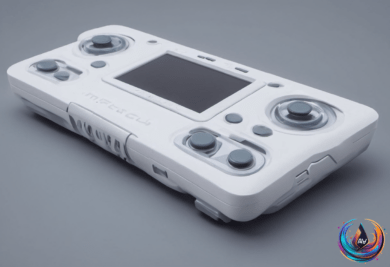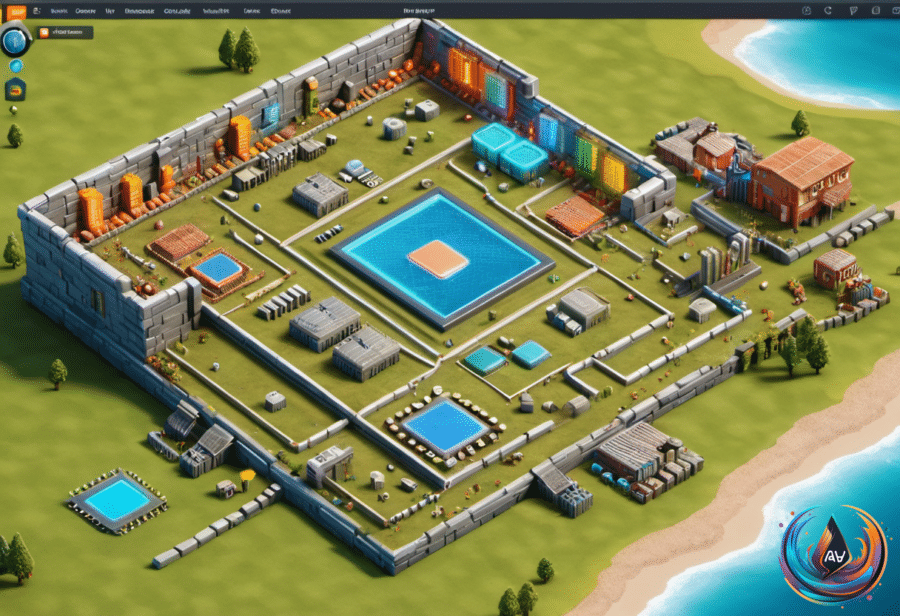
Google is turning game creation into a conversation. Its new experimental platform, Playground, lets people build custom video games by typing prompts, removing the need for coding or drawing skills.
Want a platformer where the player can double-jump? Ask for it. Prefer a 3D game instead of a 2D one, or a multiplayer experience instead of single-player? Playground lets you shape those choices through its browser-based interface, bringing game design closer to the simplicity of an AI chatbot.
A Game Engine That Starts With a Prompt
Google announced Playground as an experimental gaming platform on October 7, 2026, with a clear goal: lower the barriers to creation. Instead of opening a traditional development engine and building every system from scratch, users can type what they want to make and direct the game through a conversational interface.
The process can begin in several ways. You can write a prompt from scratch, remix starter prompts, or use guided support to shape an idea before testing it. As Google puts it, users can “Start from a blank canvas, remix starter prompts, or use guided support to shape your concept — and then test it right away.”
That approach gives Playground a clear advantage for people with game ideas but no coding experience. The platform handles the initial creation, then lets users continue refining the result with more prompts instead of forcing them to learn programming or illustration first.
- Choose between 2D and 3D game creation.
- Select single-player or multiplayer for select genres.
- Shape game mechanics, physics, and graphics through additional prompts.
- Tell a platformer to let the player double-jump.
- Share games with a link or publish them to the Playground Explore gallery.
The gallery will highlight games that are “fresh, creative, and fun” through ratings and play activity. Published games will also support in-game leaderboards, giving creators a way to add competition and giving players a reason to return.
From Quick Experiments to Professional-Level Tools
Playground is powered by Google’s existing foundation models: Gemini, Nano Banana, and Lyria, paired with a custom harness. That combination supports the prompt-driven creation system, allowing users to describe the experience they want and then adjust its mechanics, physics, and graphics after the first output.
The platform is free to use, but Google One members can receive higher weekly token limits. Access is tiered based on Google One membership, so the amount of creation available depends on the user’s plan.
Google and Unity are also revealing Unity Spark, an AI game-making experience aimed closer to a professional-level game development engine. Google says Spark unlocks robust, professional-level mechanics, high-fidelity 3D capabilities, and the flexibility of the Unity runtime.
Games made with Unity Spark will be shareable on Playground, connecting the experimental browser platform with a more advanced creation path. A closed beta for Spark is scheduled to kick off later this year, and people interested in trying it can join a waitlist starting today.
That planned connection could give Playground a wider range, from quick experiments created through a few prompts to projects that need the depth of a professional game development engine. The key idea stays the same: describe what you want, test the result, and keep shaping it.
Google Enters a Growing AI Game Race
Google is not the only major technology company pushing AI-powered game creation. Meta has announced that users will be able to build games with AI on their phones and on the web for its Horizon platform.
Roblox has also started letting users make games with AI on their phones through a “Build” feature in public alpha testing in a few countries. Together, these moves show how game creation is spreading beyond traditional development tools and into platforms people already use to play and share experiences.
Playground is available on the official Playground website for users in the US who are 18 or older. Its arrival gives those users a direct way to test prompt-driven game creation, while its Explore gallery creates a space for sharing the results.
The bigger question is no longer whether AI can help generate a game concept. It is how far users can push those concepts once mechanics, graphics, physics, multiplayer options, and leaderboards become part of a conversation. With Unity Spark waiting in the wings, Google’s Playground may become an early look at a future where the first step in game development is simply describing the world you want to play.
Based on