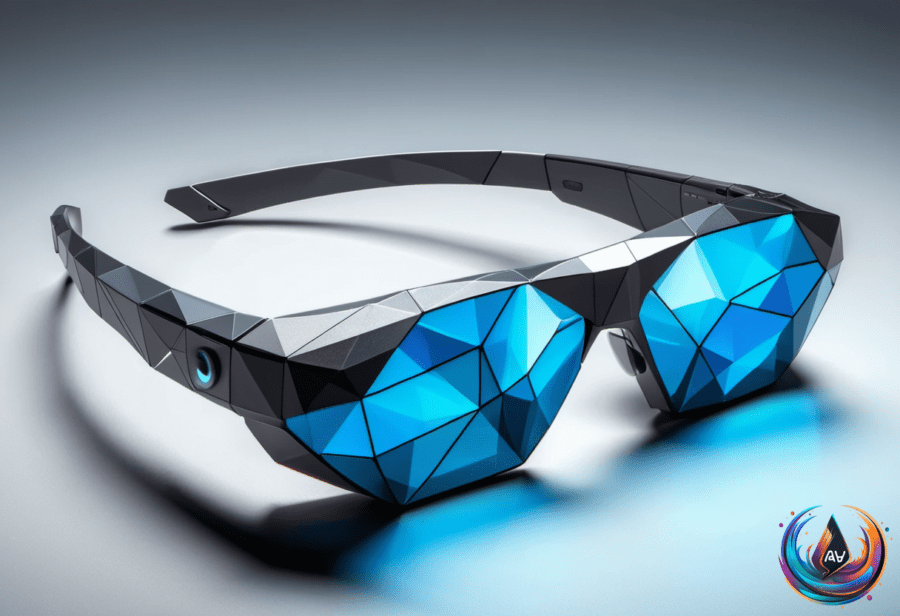
Meta is preparing a new kind of smart glasses that leaves the camera behind. The model, called Luna, could give people a way to use Meta AI through wearable technology without carrying the same privacy concerns linked to glasses that can record video.
Meta plans to start shipping Luna as soon as October, putting the company close to a major launch moment. The glasses could make their debut at Meta’s annual Connect developer conference, scheduled for September 23 and 24, where the company may reveal how this camera-free design fits into its wearable plans.
A Smart Glasses Reset Without the Camera
The central Luna feature is also the biggest change: Meta is developing the glasses without a camera. That decision directly addresses concerns about people filming others without their knowledge, a problem that has shaped how the public views smart glasses.
Meta’s existing glasses have gained a bad reputation, and that perception may be preventing people from buying them. Removing the camera gives Meta a clear way to respond. Instead of asking users and bystanders to trust a recording indicator, Luna would remove video capture from the hardware altogether.
That does not erase every privacy question around wearable technology, but it changes the conversation. A pair of glasses without a camera cannot capture the same type of footage as camera-equipped models, and that difference could help Meta improve how people see its smart glasses.
Luna will come in two styles called Clubmaster and Burbank. The two options give the new model a choice of designs while keeping the same camera-free approach at the center of the product.
Meta AI Moves to the Side Button
Luna will include six built-in microphones and speakers that point toward the user’s ears. These components will support the glasses’ voice features and Meta AI, the AI chatbot integrated into the glasses, without relying on a camera.
A button on the side will let users press to activate Meta AI quickly. That physical control gives Luna a direct way to start interacting with the chatbot, letting users reach Meta AI through a simple press rather than depending only on voice activation.
The combination of microphones, ear-directed speakers, and a side button shows where Meta is taking this product. Luna is not just a camera-free version of an existing idea; it is a pair of glasses built around access to an AI chatbot and audio interaction.
That focus may matter as Meta tries to make smart glasses feel more acceptable in everyday settings. Users can access Meta AI through the glasses, while the missing camera removes the feature that has created the strongest concern around recording and consent.
Why the Recording Light Still Matters
Meta has already taken steps to protect people around its camera-equipped glasses. The glasses use LED lights that continue to blink while the user is recording, giving others a visible signal that video capture is active.
In August, Meta released an update to close a loophole that allowed users to secretly film others by covering the LED light after recording had started. The update addressed a way to defeat the recording indicator, reinforcing how much attention the company is giving to privacy problems surrounding its glasses.
Luna takes a different route from that software update. Instead of adding another safeguard around a recording feature, the new model will not include a camera in the first place. That makes the product’s privacy message easier to understand: Luna can offer microphones, speakers, and Meta AI without the camera at the heart of the concern.
The timing gives Meta a chance to connect its hardware changes with a broader shift in public perception. If the company unveils Luna on September 23 or 24, attention will focus on whether a camera-free design can make smart glasses feel less intrusive and more practical.
October Could Bring the First Test
Meta plans to start shipping Luna as soon as October, turning the product from a conference announcement into a real test with buyers. The launch will show whether people respond to smart glasses that trade camera features for privacy-minded design and direct access to Meta AI.
The details are focused but clear: two styles, six built-in microphones, speakers aimed toward the user’s ears, and a side button for Meta AI. The missing camera is the feature that brings those pieces together, giving Meta a way to present Luna as a new direction rather than another camera-equipped wearable.
Meta’s challenge is now visible. The company must convince people that smart glasses can belong in daily life without making nearby people worry about being recorded. Luna could become the product that tests that idea, with its September unveiling and October shipping plan bringing the answer into view.
Based on