PlayStation Plus costs more now. Since its June 2010 debut, Sony’s gaming service has moved from a modest single-tier bonus package to a three-level subscription built to compete with Microsoft’s Game Pass. The annual price has risen from $50 to $80 for the cheapest current tier—a $30 increase over more than a decade.
That change looks less dramatic when placed beside the service’s broader transformation. PlayStation Plus originally offered select monthly games and DLC on the house, early access to select game betas, and Full Game Trials that saved progress and trophies earned along the way. All of it cost $50/year or $18/quarter, and Sony did not offer a single-month subscription at launch.
It also was not required for online multiplayer. PS3 owners could play multiplayer games online without a membership, which made PlayStation Plus a useful add-on rather than a toll booth standing between players and their friends. That arrangement changed when the PS4 launched, and playing AAA games online has carried an added cost since late 2013—excluding free-to-play games such as Fortnite and Warzone.
The first price increase was small, but the model changed
By the end of 2016, Sony had raised the price and added a monthly option. The new single-month subscription cost $10, while the quarterly plan rose from $18 to $25 and the annual plan moved from $50 to $60. Sony said, “The new pricing reflects the current market conditions while enabling us to continue to provide exceptional value.”
The wording was familiar corporate wallpaper, but the price shift mattered because it established a pattern. PlayStation Plus remained recognizable, yet each change made the service a little less like a perk and a little more like infrastructure for the console.
In 2022, Sony reworked PlayStation Plus to compete with Microsoft’s Game Pass. The service gained three tiers—Essential, Extra and Premium—along with a much wider range of features. The Premium plan once cost gamers up to $120/year; it now costs $160/year.
What the three tiers buy today
Essential is the entry point at $11/month, $28/quarter or $80/year. It includes the original subscription’s core features: discounts, online multiplayer access and free monthly games. Sony also said earlier this year that one- and three-month subscriptions would receive a $1/month uptick because of “ongoing market conditions.”
Extra costs $17/month, $44/quarter or $135/year. Its main attraction is access to up to 400 PS4 and PS5 games, including Marvel’s Spider-Man Remastered and Dead by Daylight. That gives the middle tier a clear purpose, although the annual price is now $75 higher than the original PlayStation Plus plan.
Premium includes everything in Extra, plus streaming access to a large library of retro games spanning the PlayStation lineup, including the PSP. The price is $20/month, $55/quarter or $160/year. Sony discontinued the PSP and PS Vita, but the PSP still survives inside the most expensive PlayStation Plus tier as part of its retro library.
The comparison with Game Pass is difficult to avoid. Xbox Game Pass Ultimate costs $23/month and includes over 500 games, day-one releases, Fortnite Crew, EA Play, Ubisoft+ Classics, online multiplayer and up to 15 hours of game streaming. Microsoft also offers Premium at $15/month, Essential at $10/month and PC Game Pass at $14/month, with different libraries and streaming limits.
Microsoft is reportedly planning a more flexible Game Pass structure that would let subscribers choose features such as multiplayer, cloud gaming and bundled subscriptions. PlayStation Plus still asks customers to pick from preset tiers. Choice is apparently easier to promise than to implement.
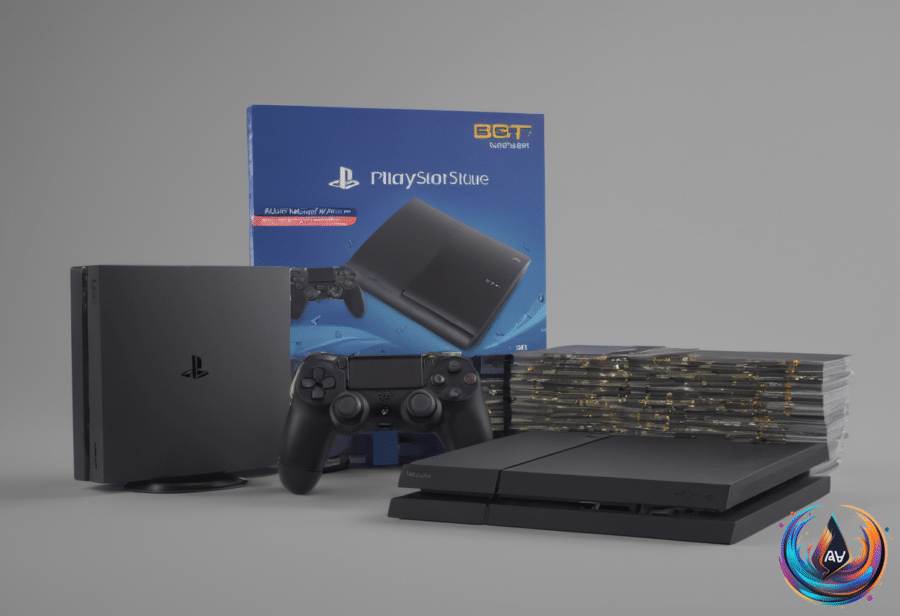
The subscription story also sits inside Sony’s larger shift toward digital gaming. The PS5 moved from a penny under $500 to $650, and Sony plans to go fully digital in 2028 while stopping production of physical discs for new games. Ken Kutaragi called physical media a “metaphor” for owning games, though he also said he understood why users were upset and did not think physical media was economically reasonable.
That argument has not settled the matter. Resident Evil Requiem generated 30 percent of its PS5 revenue from disc sales, and analyst Rhys Elliott says single-player AAA games rely especially heavily on discs, with Japan remaining uniquely disc-centric.
PlayStation Plus began as a $50 yearly bonus. It now sits inside a broader system where online access, game libraries, retro streaming and digital ownership all compete for the same monthly budget. The service did not merely get more expensive—it became part of the cost structure of modern PlayStation gaming.
Based on