Smart glasses are heating up the tech world. Apple, Samsung, and Meta are all pushing the limits. But privacy concerns and new features are shaking up the timeline and design. What’s coming? And who will lead this race?
Apple Puts Privacy Front and Center
Apple’s smart glasses won’t arrive this year. The original plan targeted 2026. Now, the debut is pushed to 2027. Why the delay? Privacy. It’s not a side note—it’s the top priority.
Apple’s teams inside the Vision hardware group see privacy as priority No. 1. They are crafting new hardware and software features that don’t exist on any current Apple product. The goal? A privacy standard that outshines competitors.
One key idea: Apple wants to disable recording if the device suspects tampering with the recording indicator light. This feature is similar to what Meta does. It prevents secret recordings and protects everyone’s privacy.
Apple is even exploring models without cameras. Another option is a glasses version with cameras but no photo or video capturing ability. These moves show Apple’s commitment to privacy while still delivering smart features.
The company plans to reveal its smart glasses at WWDC 2027. The launch will follow later that year. Apple is playing it safe but also aiming to set new privacy standards.
Samsung and Google Team Up for Fall 2026 Launch
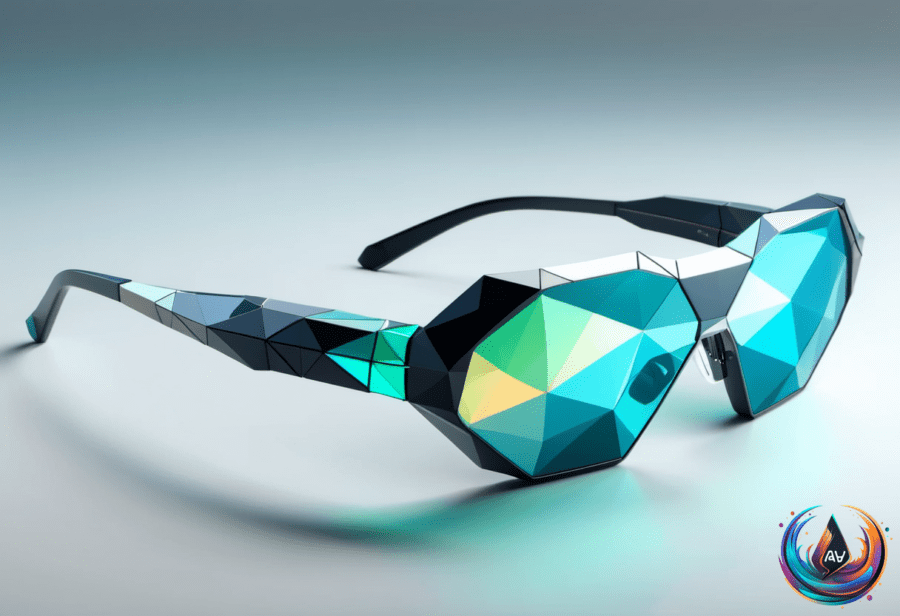
Not waiting around, Samsung and Google will launch their smart glasses in fall 2026. These glasses pack serious tech under their stylish frames. And the designs come from cool names like Warby Parker and Gentle Monster. Two frame styles will be available: a rounded, fashion-forward silhouette and a classic brown frame, with multiple colors and lenses to choose from.
Powered by Qualcomm’s Snapdragon AR1 Gen 1 platform, Samsung’s glasses focus on utility and style. They offer up to nine hours of battery life on a single charge. The included charging case adds seven more full charges. That’s serious endurance for long days out.
The glasses include:
- Visual search and real-time translation
- Voice and touch controls, plus gesture commands when paired with a Galaxy Watch
- Microphones and open-ear speakers for clear calls and sound
- A camera with a privacy LED that lights up when recording
- A camera that disables itself if the LED is covered or tampered with, preventing secret recordings
- Support for Google’s Gemini AI, which summarizes messages, captures whiteboard info, and remembers context
- Features for asking questions, getting directions, making calls, and sharing video calls
This blend of features makes Samsung and Google’s glasses versatile tools for work and play. They combine privacy measures with powerful AI-driven functions.
Meta’s Smart Glasses and Privacy Push
Meta sold 7 million pairs of smart glasses in 2025. That’s a huge footprint in this emerging market. Their Conversation Focus feature amplifies voices in real-time and runs directly on the device, without internet. It’s perfect for clear conversations in noisy places.
Meta recently paused subscription tests for Conversation Focus after hearing user feedback. The feature now remains free for early testers while Meta refines its approach. The company is exploring better ways to offer premium features without alienating users.
Meta set a limit last month: three free hours of Conversation Focus per month. After that, users can pay $20 per month for up to 15 hours. The goal is to balance free access with a sustainable subscription model.
The Smart Glasses Battle Heats Up
Three giants. Different strategies. Apple holds back to build unbeatable privacy. Samsung and Google rush forward with AI-powered features and stylish designs. Meta leads in sales but experiments with its business model.
Innovation and privacy clash and combine in this race. Consumers will soon choose between raw power, sleek style, and privacy-first design. All three companies are pushing the limits of what smart glasses can do.
The next two years will be thrilling. Will Apple’s privacy-first delay pay off? Can Samsung and Google capture the market with Gemini AI? Will Meta’s subscription model find favor?
One thing is clear: smart glasses are no longer a futuristic dream. They are arriving. And they are ready to change the way we see—and hear—the world.
Based on
- Apple’s smart glasses delay reportedly stems in part from major privacy concerns — engadget.com
- Samsung Just Revealed More Details About Its Upcoming Smart Glasses, Including Battery Life — engadget.com
- Meta Walks Back Limits For Its Smart Glasses’ Conversation Focus Feature, For Now — engadget.com
- Samsung’s smart glasses are coming for Meta – here’s everything to know | The Independent — independent.co.uk
- Samsung and Google’s smart glasses get two new designs. | The Verge — theverge.com