The AI industry is booming, but not without its dark side. Valuations have exploded from $700 billion last year to a staggering $1.4 trillion today. Investors and tech giants are pouring money into AI with breathless urgency. Yet beneath the glitter, the reality is far messier. The hype machine spins a grand narrative of AI’s inevitability. But this story masks serious risks and human costs.
The AI Bubble: More Hype Than Reality
This bubble is built on hopes and self-serving messaging. Cory Doctorow, author and tech critic, calls it “a conjuring trick.” The industry sells AI as unstoppable. Investors buy into the fear that if they don’t move fast, they’ll be left behind. This fuels enormous capital spending on AI projects that may never pay off.
The net worth of tech executives is tied to stock prices, not real profits. This disconnect inflates valuations and encourages risky bets. Elon Musk has warned AI is “the single greatest threat to human civilisation.” Sam Altman, a leading AI figure, even predicts it could cause the end of the world. Meanwhile, Dario Amodei, CEO of AI startup Anthropic, foresees AI seeing humans as “cute to have around but ultimately a resource to be exploited.” These grim forecasts feed the hype but also reveal deep unease about AI’s future.
The Rise of the Reverse Centaur
Who really pays the price in this AI frenzy? Doctorow coins the term “reverse centaur” to describe workers trapped by machines. A reverse centaur is a human whose freedom shrinks under AI’s demands. These people don’t ride alongside powerful tech. Instead, they serve it.
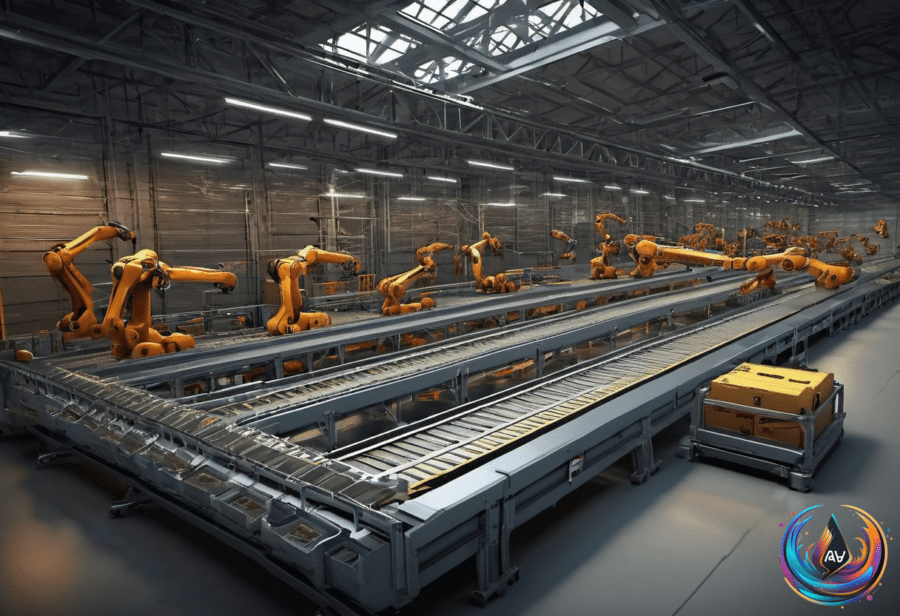
- Warehouse workers forced to urinate in bottles because algorithms set impossible targets.
- Truck drivers sitting in self-driving vehicles, watching for crashes instead of driving.
- Lawyers sidelined by AI tools who must check the machine’s legal work.
- Indie musicians scraping by covering AI-generated hits.
These workers endure new forms of control and exploitation. The AI industry’s pursuit of efficiency creates human misery. “You can’t make billions without hurting people,” Doctorow bluntly states. The technology extends power, but for whom? That’s the real question.
What Comes Next? A Glimmer of Hope
Despite the risks, Doctorow sees some positive fallout after the bubble bursts. The current AI frenzy won’t last forever. When it collapses, a useful AI residue will survive. This could mean cheap, open-source AI models running locally. These smaller tools could handle practical tasks without the hype or the human cost.
Doctorow insists, “AI cannot and will never render us obsolete.” The most important thing about technology is not what it does, but who it serves and who it harms. AI’s future depends on human agency. If we shape it wisely, it can empower us instead of enslaving us.
The AI bubble may be grandiose. But behind the spectacle, real people suffer. The rise of reverse centaurs reminds us that technology’s benefits are not automatic. We must demand AI works for everyone — not just the elite few.
Based on
- ‘You can’t make billions without hurting people’: Cory Doctorow on Elon Musk, the AI bubble and bosses’ cruel fantasies — theguardian.com
- ‘You can’t make billions without hurting people’: Cory Doctorow on Elon Musk, the AI bubble and bosses’ cruel fantasies — biztoc.com
- How to burst the AI bubble: Strike at its roots (2026) — bafmembers.com
- How to burst the AI bubble: Strike at its roots – Worldnews.com — article.wn.com
- Cory Doctorow’s Guide to Life After AI: A Critical Perspective — high-tech-mag.com