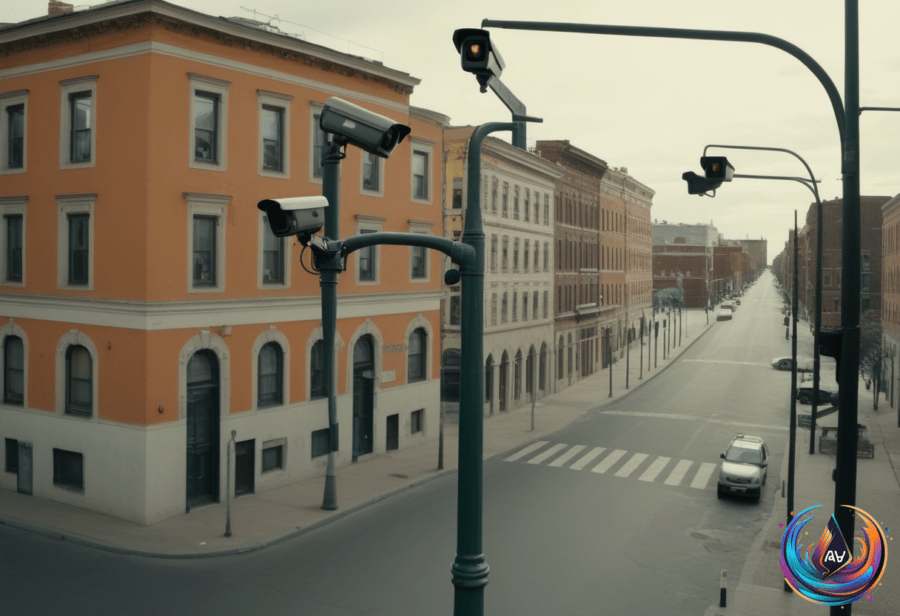
They’re everywhere. Thousands of communities across the United States are now dotted with tiny, almost invisible cameras. These are not your average security cameras. These are Flock Safety’s automated license plate readers, and the backlash is heating up fast.
People are striking back. From upstate New York to Oakland, California, protests have turned into action. Flock cameras are being cut down, splattered with paint, and even rammed by trucks. In Idaho, a truck crashed into these surveillance devices. In Florida, a man sits in a lawn chair, holding up cardboard to block the camera’s view. This isn’t just a few isolated incidents—it’s a nationwide fight over privacy and control.
What Are Flock Cameras and Why Are They So Controversial?
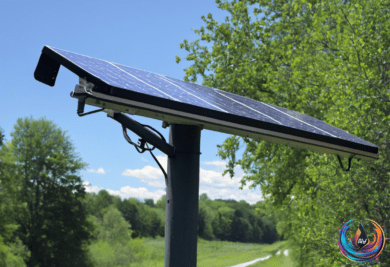
Flock Safety makes these cameras. They are automated license plate readers designed to watch and record vehicles passing by. You’ll find them installed along roads, at neighborhood entrances, intersections, and near businesses or private properties. But here’s the catch—they often hide in plain sight, blending into the surroundings.
When a vehicle rolls past, the camera snaps a photo. Then machine learning technology kicks in. It decodes the license plate, identifies the car’s color, make, and model. All this data feeds into one massive searchable system that spans 49 states. Every snapshot, every detail, instantly becomes part of a huge database. That’s what has some communities worried.
The Surveillance State or Crime Fighter Debate
Flock cameras have helped solve around 700,000 crimes a year. That’s a staggering number. Law enforcement credits these cameras with catching suspects and recovering stolen vehicles. The technology’s crime-fighting power is real and measurable.
But many people see a darker side. They claim this technology crosses the line into mass surveillance. They argue that constant tracking threatens privacy and creates a surveillance state. The debate is fierce. It’s not just about crime prevention anymore. It’s about how much surveillance society should tolerate.
This tension has led city governments to act. Fort Collins, Colorado; Eugene, Oregon; Madison, Wisconsin; Knoxville, Tennessee; Syracuse, New York; and Walla Walla, Washington have all deactivated Flock cameras or canceled contracts. These moves reflect growing unease with the presence of these devices and the data they collect.
Communities Fight Back With Bold Actions
Protests have escalated beyond signs and chants. People have taken physical action to stop the cameras. In New York, an electric saw took down a camera. Oakland saw Flock cameras covered in paint. Idaho’s dramatic truck crash sent a clear message: resistance is real and rising.
In Florida, one man’s low-tech method is simple but powerful. Sitting in a lawn chair with a cardboard shield, he blocks the camera’s view. It’s a small act but it highlights the frustration many feel about constant monitoring.
Flock Safety says it is working to fix problems with its technology. The company emphasizes its role in fighting crime. But the backlash shows that for many, trust has eroded. The conflict is about more than cameras—it’s about transparency, consent, and community control.
What’s Next for Flock Cameras and Privacy Battles?
The fight over Flock cameras is far from over. As more cities reconsider their contracts and citizens take matters into their own hands, the pressure builds. Will the company adapt? Will new rules govern how this data is collected and used?
The conversation about surveillance and privacy is accelerating. Technology is racing ahead, but so are demands for accountability. As machine learning and computer vision tools become more powerful, communities must decide where to draw the line.
This story is unfolding right now. It’s a clash between safety and privacy, innovation and control. And it’s happening in neighborhoods across the nation.
Based on
- Why a Flock Worker Quit: ‘They Lied’ — 404media.co
- Flock Cameras Explained: How the License Plate Readers Work – Business Insider — businessinsider.com
- Why are people destroying these cameras across the US? | CNN Business — cnn.com
- U.S. news: Citizens are going after Flock cameras — ctvnews.ca
- Flock cameras are getting mobbed | CNN — cnn.com