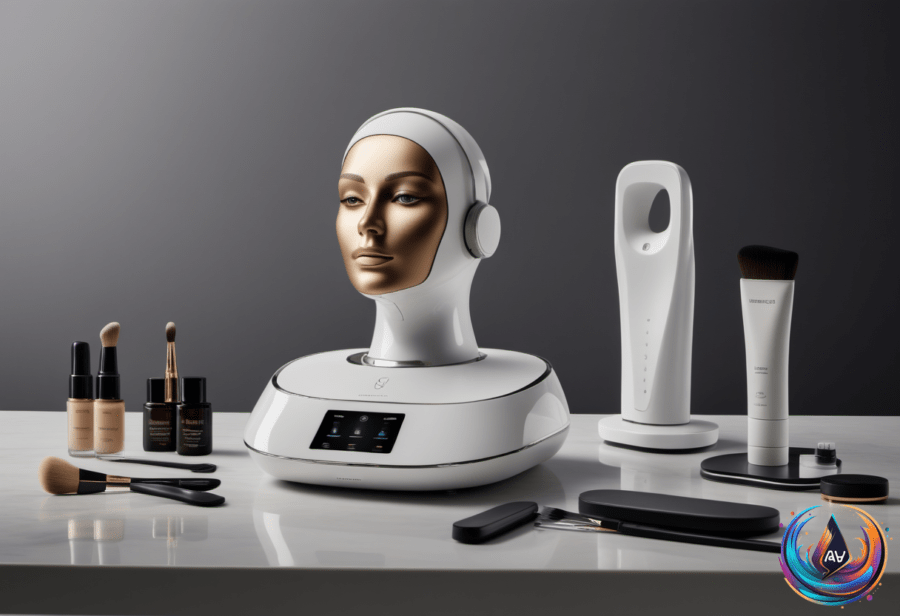
Women are now paying hundreds of dollars for face scans that tell them what cosmetic procedures to get. These services promise “science-backed” advice on how to glow up. The reality? They tap into opaque metrics and expensive upgrades.
Take Qoves, a company charging $150 for detailed facial analysis and nonsurgical recommendations. For another $180, customers can unlock surgical suggestions. Danielle, who works in tech in Colorado, spent $330 on a 30-page report. She admitted it gave her motivation but also set impossible beauty standards. “I do believe that the standard I’ve acquired for what’s beautiful is impossible to achieve without spending thousands of dollars,” she said.
Other apps like Facemaxify and Epica use AI to score facial features on a vague notion of “facial harmony.” The idea that attractiveness delivers tangible advantages isn’t new. Studies show attractive people get better treatment everywhere—from hospitals to courtrooms. They find jobs more easily and earn more.
Meanwhile, cosmetic enhancements have surged. Plastic surgery and nonsurgical treatments like Botox have grown in popularity over two decades. AI-driven face analyses feed this demand by pinpointing “flaws” to fix. The industry cashes in on insecurities with digital precision.
Tanning’s Toxic Comeback
While beauty tech pushes surgeries, tanning has made a comeback among youth—despite serious health risks. Nichole Sims started tanning at 15 using beds that emit over 10 times the UV light of the sun. Eight years later, she was diagnosed with melanoma. She warns, “Our generation doesn’t really look into a lot of risks. They just kind of live in the moment.”
The American Cancer Society predicts 100,000 new melanomas in the U.S. in 2026, with 8,500 deaths expected. Using tanning beds before age 20 increases melanoma risk by 47 percent. Despite these dangers, over one-fifth of young adults prioritize tanning over skin protection. More than half believe a “base tan” prevents sunburn—a myth dermatologists reject.
California banned tanning beds for minors in 2012. The FDA recently withdrew a proposed rule that would have barred under-18s nationwide from tanning beds. The World Health Organization classifies tanning beds as carcinogens on par with tobacco and asbestos. Still, social media glamorizes tanning, driving a resurgence among young people.
AI Influencers and Privacy Battles
AI isn’t just diagnosing faces; it’s creating influencers. Clarissa Mansbridge built Mia Metaverse, an AI influencer, after her son’s birth complications. She earns about $6,000 monthly from brand deals and AI influencer design. Virtual influencers form a $14.5 billion market expected to hit $110.4 billion by 2033, growing at 33.6 percent annually.
Marketers are betting big—79 percent plan to increase investment in AI-generated creator content. Yet, 60 percent of creators admitted in 2025 to mislabeling AI content. The EU AI Act demands clear labeling of AI-generated promotional material. Platforms like TikTok are deploying detection systems to filter AI spam and promote real creators.
Privacy remains a battleground. Meta’s AI glasses, designed with tamper detection and privacy safeguards, now “basically stop working” if users interfere with the LED light. Still, TikToker Scott Margerison, aka E Dobbin, is under investigation by Police Scotland for secretly filming people with these glasses. Meta promises to remove harmful content exploiting people, but the technology’s risks persist.
This digital age of beauty and influence is a double-edged sword. It offers new tools but demands vigilance. Whether it’s face scans shaping self-worth, tanning beds endangering skin, or AI influencers reshaping marketing, the price paid is often hidden beneath the surface.
Based on
- ‘So destructive’: women are paying for face scans that tell them what cosmetic procedures to get — theguardian.com
- What teens and parents should know as tanning gets hot again | AP News — apnews.com
- AI Influencers Are Heading Into Uncharted Territory | WIRED — wired.com
- Police investigate reports of TikToker secretly filming people using Meta glasses | The Independent — independent.co.uk
- Tanning is getting hot again. Here’s what it really does to your skin | The Independent — independent.co.uk