The headphone jack lost the platform war. Apple removed it from the iPhone 7 in 2016, Google removed it from the Pixel 2 in 2017, and Samsung followed in 2019. Apple later released the iPhone 15 with a USB-C port, leaving Sony as one of the companies still keeping the old connection alive with the Xperia 1 VIII in June 2026.
The 3.5mm headphone jack is a descendant of the 6.35mm “phone plug,” and its appeal remains easy to understand. It carries a converted analog audio signal from the phone directly to the listening device, while USB-C generally sends digital audio through the port.
That difference sounds like a technical victory for USB-C, but connectors do not produce sound by themselves. Neither has a magical formula that catapults audio to premium status — the DAC and headphone amplifier determine much of what reaches your ears.
USB-C Has More Headroom
With USB-C, a DAC built into the earbuds, headphones, or USB-C-to-3.5mm adapter converts the digital signal into analog sound. Most smartphones require an “active” adapter with a built-in DAC, because a passive cable cannot perform that conversion.
This setup gives USB-C more room for better hardware. A premium USB-C DAC adapter can deliver a cleaner, more powerful signal than a phone’s built-in 3.5mm output, especially with more demanding over-ear headphones.
That advantage depends on buying the right equipment, naturally. A basic USB-C adapter offers no meaningful improvement over a headphone jack, while poor-quality components, including cheap USB-C adapters or earbuds, will likely sound worse. Progress remains available at the checkout counter.
In terms of pure audio potential, USB-C is more capable when paired with good-quality hardware. The 3.5mm connection can still sound excellent, but its performance depends on the phone’s built-in DAC and amplifier rather than an external component chosen for the job.
The older connector still wins on convenience and compatibility. Those round 3.5mm ports remain common in cars, laptops, speakers, TVs, PCs, and more, so one set of wired headphones can connect directly to all of them.
EarPods Make the Value Case
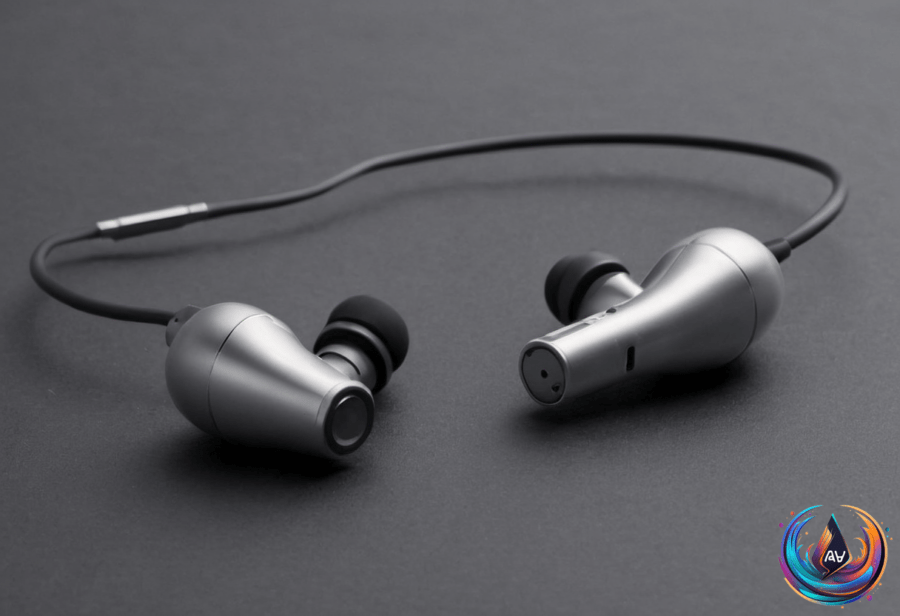
Apple still sells its classic wired EarPods, and they occupy a very different category from AirPods. EarPods are regular wired earbuds without fancy gestures or voice commands, while AirPods have evolved into wireless earbuds with noise cancellation, health sensors, built-in live translation, and Spatial Audio.
AirPods Pro 3 can track heart rate during a workout, which is a useful feature if your earbuds also need to behave like health hardware. EarPods offer none of that, but they require zero maintenance and have no battery, so there is nothing to charge before listening.
The wired model also includes a built-in microphone that delivers better voice quality than Bluetooth audio. Apple has improved voice quality in AirPods, but Bluetooth audio still does not sound as good as wired audio.
EarPods come in three connection types: 3.5mm, Lightning, and USB-C. The choice matters on modern iPhones, because using the Lightning or USB-C port for EarPods prevents charging while the earbuds are connected. An adapter that splits the port into two allows charging and listening at the same time.
Price makes the comparison less complicated. The cheapest AirPods cost $129, while EarPods cost $19. At that price, EarPods trade advanced features for a direct wired connection, a microphone, no battery, and broad compatibility.
USB-C is the stronger option for audio potential, not an automatic guarantee of better sound. A premium DAC and amplifier can beat a phone’s built-in 3.5mm output, but a cheap adapter can erase the advantage. The 3.5mm jack remains the simpler choice — and simplicity, inconveniently for the upgrade cycle, still works.
Based on