Volvo gave its plug-in hybrids a serious battery upgrade. The updated 2028 XC60 and XC90 keep their familiar shapes, but gain enough electric range to change how owners use them. Ars Technica drove both models in Copenhagen, Denmark, as production begins and the first US customer deliveries approach in the first quarter of next year.
Volvo provided flights from Washington, DC, to Copenhagen and accommodation for the drive. Ars does not accept paid editorial content. Corporate hospitality remains corporate hospitality, but the technical changes here are substantial enough to deserve attention.
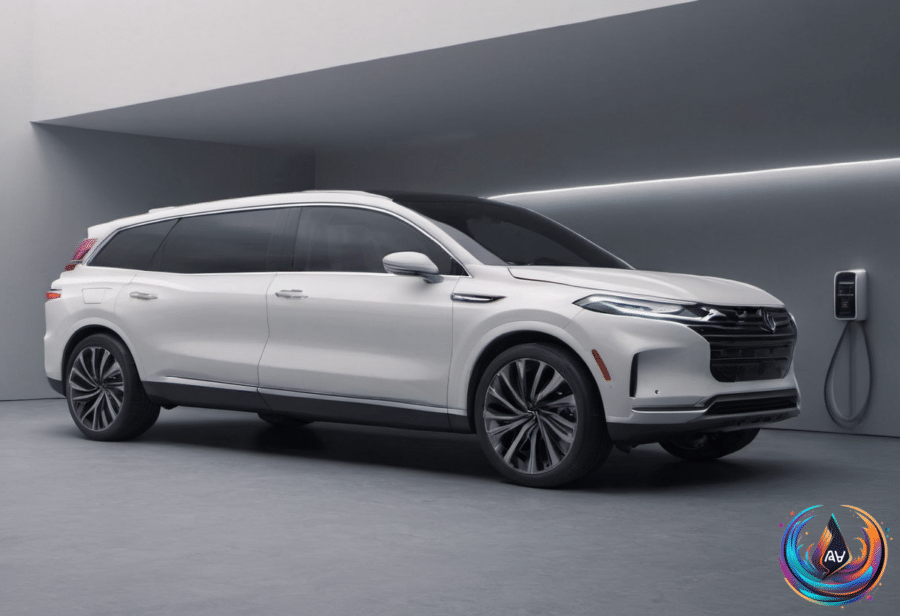
The XC60 and XC90 have received another lifecycle refresh, though the exterior changes are restrained. The larger three-row XC90 received a new look last year; the XC60 now adopts a similar grille and the same matrix headlights, while both vehicles retain the Thor’s Hammer DRL.
The real work happened underneath. Volvo has focused on bringing the cars’ technology up to 2028 standards, adding a much larger battery, new infotainment, and interiors that are even nicer to spend time in than before.
A larger battery changes the equation
Both the midsize XC60 and three-row XC90 use the same plug-in hybrid powertrain. A 2.0 L four-cylinder direct-injection gasoline engine produces 247 hp (184 kW) and 226 lb-ft (306 Nm), while a 70 hp (50 kW), 122 ft-lb (165 Nm) electric motor works with it at the front wheels.
A second electric motor drives the rear axle with 174 hp (130 kW) and 228 lb-ft (309 Nm). Combined system output reaches 455 hp (339 kW) and 560 lb-ft (759 Nm), giving these practical family SUVs a power figure that would not look out of place in a much more theatrical vehicle.
The new battery has a net capacity of 37.9 kWh, or 41.2 kWh gross. In Pure mode, which relies solely on the rear electric motor for propulsion, the XC60 carries an EPA range estimate of 78 miles (126 km), while the larger and draggier XC90 reaches 73 miles (116 km).
That matters because the average driver travels fewer than 30 miles a day. For many owners, the battery should cover a couple of days of daily driving before the car needs to be plugged in again or the gasoline engine has to start. A plug-in hybrid that spends more time acting like an EV is a more useful proposition than one that treats electric driving as a brief marketing demo.
Charging takes about four hours with a level 2 charger rated at least 16 A. Owners limited to 120 V should expect about 27 hours, which is less a charging session than a small test of personal patience.
Power, efficiency, and road manners
Volvo expects the XC60 to return 67 mpge in Hybrid mode and the XC90 to return 61 mpge. Hybrid mode combines the gasoline engine with both electric motors, while Power mode keeps the engine running and unleashes the full 455 hp.
Even with the engine running, drivers can use one-pedal driving by moving the transmission from D to B. The electric motors always slow the car before the friction brakes intervene, and B provides the same amount of lift-off regeneration regardless of the selected mode.
That setup works well in city traffic. In Pure mode, only the rear motor sends energy to the wheels, but both front and rear motors recover energy during braking. In Power mode, the system has enough force to chirp the wheels on a wet day—an amusing detail for vehicles designed to carry people and luggage.
The 2028 models weigh about one large male human more than the outgoing model year. The XC60 is the sweeter vehicle on a winding road, but both SUVs are comfortable on highways and capable in cities, where this combination of electric range, quiet operation, and practical space makes the most sense.
Ars first saw the revamped 2028 XC60 and learned the technical details of both models in September. Now that the vehicles are entering production, the hardware is no longer the mystery. There is only one major question left: how much will they cost?
Based on
- Volvo's big batteries: We drive its updated 2028 plug-in hybrids — arstechnica.com
- Category: Cars – Ars Technica — arstechnica.com
- Porsche 718 Boxster prototype drive: This electric roadster is real – Ars Technica — arstechnica.com
- Do hybrid cars really help the environment? What we know — usatoday.com
- Europe vs. US cars: 3 differences I noticed while driving abroad — usatoday.com