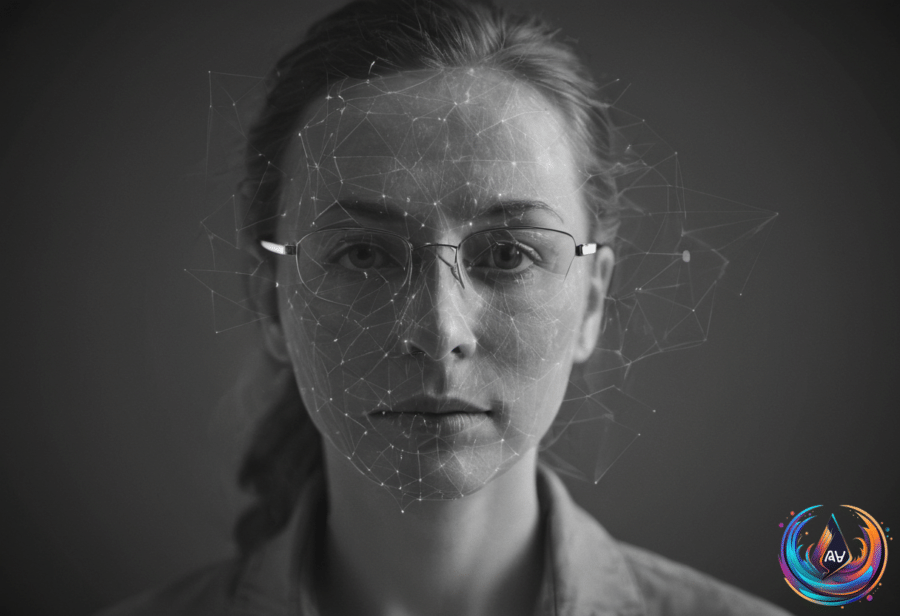
Facial recognition has moved from a distant technology story into ordinary life. It is already part of surveillance cameras, and it may soon appear in Meta’s RayBan glasses. That change makes it easier to identify people in places where they may not expect to be identified.
The concern is not only about cameras operated by institutions. Students have already used facial recognition in ways that show how quickly the technology can move into everyday hands. At the same time, massively viral accounts take clips of people, run those clips through facial recognition software, and post names and other personal information for everyone to see.
Identification Is Becoming Part of Everyday Footage
Joseph Cox described the shift in direct terms: “Facial recognition is everywhere now. It’s in surveillance cameras; it’s soon going to be in Meta’s RayBan pervert glasses, and some students already did that.” His point connects several parts of the same change: cameras can capture people, software can help identify them, and wearable devices can place that process closer to ordinary social situations.
Those pieces matter because facial recognition does more than record an image. It connects an image with a name, and the viral accounts described in these developments go beyond naming people. They post other personal information as well, turning a short clip into a public package of details about someone.
That is the basic privacy problem at the center of the issue. A person may appear in a clip for a moment, but facial recognition can make the clip easier to connect with that person’s identity. Once a name and personal information appear together, the material can reach everyone watching those accounts.
The technology also changes who can take part in identification. Surveillance cameras place facial recognition in a fixed setting, while glasses and student projects point to a more personal use. Viral accounts then add a public audience. The result is a path from captured footage to recognition and exposure.
The Doxing Problem Has Not Been Settled
Cox said, “We haven’t fully come to terms with what it means to live in a world where anyone can basically dox anyone else now.” That statement captures the gap between having the tools and understanding their effect. Facial recognition can make it easier to connect an unknown face with a real person, while public posts can spread the result far beyond the original clip.
The issue reaches across the people and organizations involved in the discussion. Kashmir Hill, an author and reporter at the New York Times, is part of the wider conversation around privacy. 404 Media is a media company, and Joseph Cox is an investigative journalist. PBS News host William Brangham and PBS News contributors Byron Tau and Calli Schroeder are also identified in connection with these developments.
The concern is not limited to one device or one account. Surveillance cameras, Meta’s RayBan glasses, student use, facial recognition software, and viral accounts all point to the same pressure on privacy: a face in public footage may no longer remain disconnected from a name and personal information.
That makes the question harder than whether facial recognition exists. It is already present in the examples described here. The harder question is what happens when identification becomes easy to perform and the results become easy to publish.
A Public Decision About Private Information
One quote in the material shows that publishing personal data is a choice, not an unavoidable result of having access to it. ShinyHunters said, “Since the very beginning we had made our decision that we would never publish this data. We have never intended to nor have we ever planned to.” That position stands apart from accounts that identify people from clips and post their names and other details.
The contrast puts attention on the final step in the process. Facial recognition may help identify someone, but people and organizations still decide whether that information reaches the public. When accounts post it for everyone to see, the technology becomes part of a doxing system rather than a private identification tool.
For people appearing in footage, the boundary between being seen and being identified is getting thinner. Cameras can capture them, software can match them, and public accounts can attach personal information to the result. The tools are already here, while the meaning of living with them remains unsettled.
Based on