Meredith Whittaker, president of Signal, has a clear warning about AI chatbots. She says these systems are not conscious or sentient. “These are not your friends. These are not conscious beings. These are not sentient interlocutors,” she states plainly.
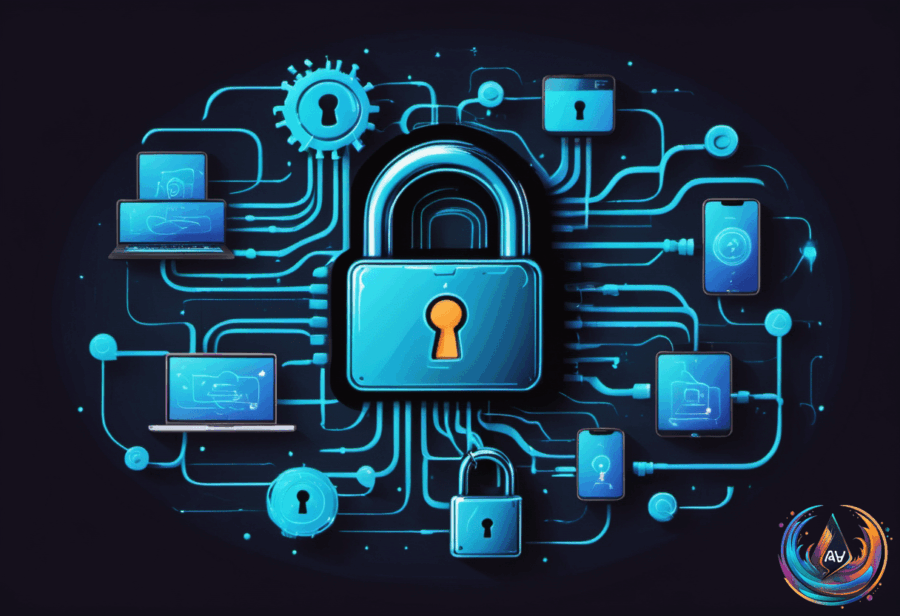
Whittaker points out a big problem when AI chatbots get access to personal data. When AI systems can see your messages, calendar, or credit card info, they create what she calls a “backdoor” into your private life. This access can break the privacy protections that apps like Signal work hard to provide.
Signal uses end-to-end encryption to keep messages safe. But if an AI system reads messages before encryption or after decryption, encryption no longer protects your privacy. Whittaker explains that agentic AI systems with this level of access act like a surveillance tool. They monitor everything across multiple apps and services.
Agentic AI and Privacy Risks
Whittaker criticizes operating system makers for embedding these AI agents into their platforms. She says this weakens Signal’s ability to guarantee privacy. The more these AI systems can read and act on your personal data, the more they hollow out privacy protections.
She also raised concerns about “prompt injection.” This is a likely way attackers could exploit encrypted messaging platforms. If AI agents get tricked through prompt injection, private communications could be exposed.
Microsoft is one of the companies pushing this kind of AI. At Build 2026, Microsoft showed Project Solara, an operating system built around agent-first computing. Google, Apple, and OpenAI are also working on similar AI strategies.
The Illusion of AI Empathy
Whittaker warns about what she calls “seemingly conscious AI” and “AI psychosis.” This happens when users think chatbots understand or care like a human. But these systems only mimic empathy by matching patterns. They don’t truly comprehend emotions or context.
Relying on AI chatbots for deep conversations or personal advice can be risky. Users often share sensitive info without realizing it goes to opaque systems. These companies keep data for commercial reasons. Giving AI access to messages, contacts, and finances trades away privacy for convenience.
Though Whittaker uses AI tools to help format documents, she does not rely on them to think or write. This careful use contrasts with treating AI like a trusted confidant. The latter can lead to sharing more than you should with systems that don’t have your best interest at heart.
Whittaker also criticized Microsoft AI CEO Mustafa Suleyman’s comments about AI handling Christmas shopping by listening to family chats. She calls this idea a backdoor for surveillance. “What you’ve just described is a system with very pervasive access across multiple applications and services,” she said. “In the context of Signal, it would constitute a kind of a backdoor.”
Her view is clear: agentic AI with deep access to daily life creates huge privacy risks. These systems collect massive databases of people’s digital lives. That makes them targets for hackers and governments.
In a world where AI agents can read your calendar, messages, and payments, privacy is under threat. Whittaker’s message is simple. Don’t mistake AI chatbots for friends. They are tools designed to process data, not to protect your secrets.
Based on
- Signal’s Meredith Whittaker says AI chatbots ‘are not your friends’ and calls Copilot agents a backdoor — thenextweb.com
- Signal President Meredith Whittaker: AI chatbots ‘are not your friends’ — here’s why that matters for privacy — coinpulsehq.com
- Signal’s Meredith Whittaker wants you to remember that AI chatbots ‘are not your friends’ | TechCrunch — techcrunch.com
- ChatGPT is not your friend: Signal President wants you to be straight with AI chatbots – India Today — indiatoday.in
- AI Chatbots Are Not Your Friends: Signal’s Meredith Whittaker Warns About Privacy Risks (2026) — nfsqviphk168.com