We have more data about ourselves than ever. Yet, knowing more hasn’t made us wiser.
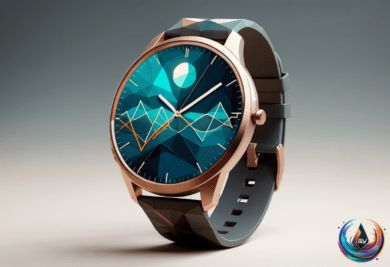
Wearables count steps, track sleep, measure heart rate variability, and monitor calories. The promise: better health through numbers. The reality: anxiety and mistrust.
People check their devices obsessively, sometimes feeling worse despite “good” metrics. Missing a workout or a low sleep score triggers guilt, not motivation. The data becomes a boss, not a tool.
This obsession turns basic activities—walking, reading, sleeping—into tasks to optimize. The joy drains out. Reading becomes a race to hit a quota, not an escape. Exercise turns into a relentless performance review.
We confuse measurement with meaning. Steps counted don’t equal vitality. Sleep scores don’t capture restfulness. Heart rates don’t show emotional turmoil. Numbers reduce complex lives to simplistic targets.
The Trap of Endless Quantification
Measurement feeds measurement. There’s always a new metric, a better sensor, a more precise tracker. Tracking becomes the goal instead of a means. A simple walk morphs into hitting 10,000 steps, then 15,000, then 20,000.
Devices promise insight but deliver data captivity—when numbers dictate how you feel. People lose touch with their own bodies and emotions, relying on gadgets to tell them what’s “true.”
Health data is reductionist. It simplifies complex biological and emotional states into narrow variables. Sleep becomes “REM minutes” and “deep sleep percentage.” Movement collapses into a daily step count. This simplification is necessary for measurement, but dangerous if mistaken for the whole truth.
Data Without Context Is Noise
Numbers alone don’t explain causes or feelings. An elevated heart rate could mean exercise or grief. A dip in sleep score might reflect stress or a bad TV show. Devices see effects but not reasons.
Real understanding comes from integrating data with personal experience and context. This means paying attention to emotions, environment, and life events alongside metrics.
The body has its own language—subtle signals that gadgets can’t capture. Interoception, or sensing internal states, links to better health and decision-making. Trusting your body should come before trusting a screen.
But today’s wearables offer no bedside manner. They present data with cold confidence, sometimes contradicting how users feel. This breeds distrust of both device and self.
Worse, some devices are just wrong. In studies, manipulated step counts influenced behavior and health outcomes more than real data. People’s beliefs about themselves changed their bodies, not the numbers themselves.
This reveals a crucial truth: mindset drives change, not raw data.
When Optimization Becomes a Burden
Health used to mean simple basics: eat well, move regularly, sleep enough, manage stress. Now, it’s a full-time job monitoring scores, recovery indexes, glucose spikes, and metabolic age.
Every deviation from perfection is a threat. A missed workout feels like failure. A late night becomes a metabolic disaster. This breeds chronic stress—the very enemy of health.
Resilience beats optimization. A healthy body adapts to disruptions—a party, a bad night, a vacation meal. Obsession with perfect metrics creates fragility, not strength.
Some live so rigidly optimized they forget to live. Their routines exclude spontaneity, joy, and human unpredictability. Their health metrics improve, but their lives shrink.
We confuse the tool with the goal. Wearables should support well-being, not surveil it. They should build confidence, not anxiety.
The best health design doesn’t just show numbers. It builds identity. It encourages users to see themselves as people who care for their bodies, not as failures chasing impossible scores.
We deserve better tools and better habits. Data should be a guide, not a gaoler.
Based on
- The inevitable weakness of metrics — technologyreview.com
- When Tracking Becomes the Goal | The Gravity — medium.com
- When Numbers Whisper and Stories Shout: Why Health Data Isn’t the Same as Knowing Yourself – The Smallhandsbigideas Blog — smallhandsbigideas.com
- How Optimization Culture Fuels Health Anxiety — maryvancenc.com
- Are You Being Bullied By Your Smart Watch? | by Sam Liberty | Jun, 2026 | Medium — sa-liberty.medium.com