July 2026 delivered a surge of activity in AI data strategies, legal battles, and robotics expansion. PRX revealed its intricate data pipeline, Midjourney tangled with Hollywood studios in court, and Apptronik launched a massive robot testing facility.
PRX’s approach to training data stands out for its complexity. It compiles a blend of public and internal datasets, then re-captions images using a vision-language model (VLM). The result is a streamable corpus optimized for training. Their pipeline emphasizes diversity and precision, using long, accurate captions to describe images. Data is stored in formats like Mosaic Data Shards and Lance, crafted for efficient pre-training.
Midjourney’s legal fight got messier. Hollywood studios—Warner Bros. Discovery, Disney, and Universal—sued Midjourney for copyright infringement. They claim the AI generated images of copyrighted characters without permission. Midjourney’s defense hinges on fair use, arguing training on publicly available images is standard practice. They demand the studios disclose AI business plans, research, training datasets, model weights, and board presentations to support their claim.
But a mid-June magistrate judge sided mostly with the studios. The court allowed them to withhold most AI-related data, requiring disclosure only of consumer-facing AI applications. Midjourney is pushing back, asking to overturn the order. They argue the withheld evidence is crucial for their fair use defense. This battle highlights how fragile AI transparency remains in legal disputes.
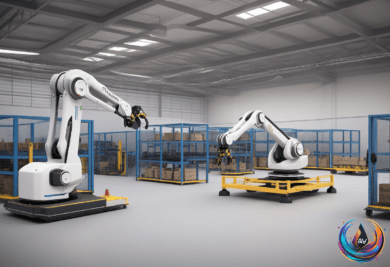
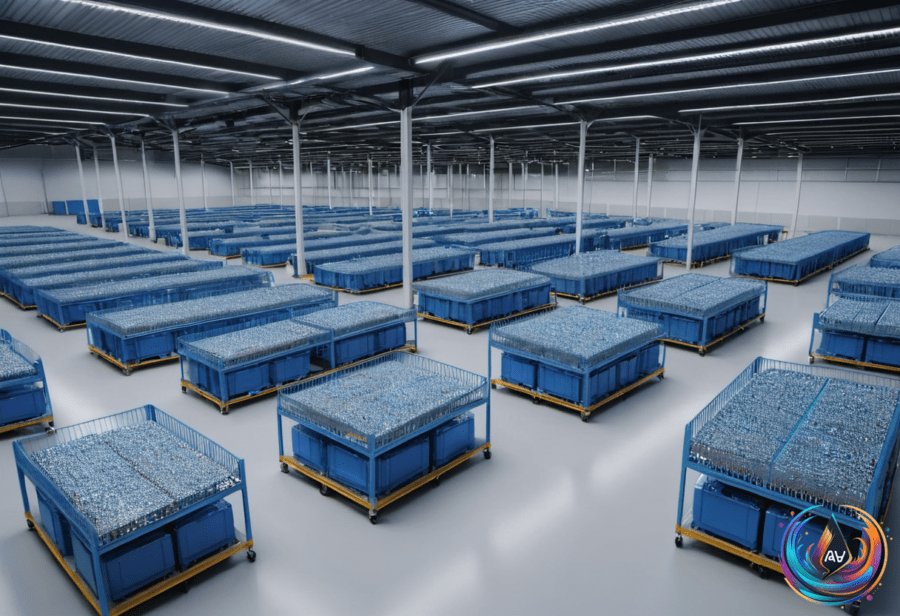
Meanwhile, Apptronik unveiled Robot Park in Austin, Texas—a warehouse twice the size of two football fields. The site will host hundreds of robots practicing tasks like packaging items, sorting tools, and moving boxes. Liz Clinkenbeard, Apptronik’s spokesperson, said, “The bots will practice tasks they’ll perform for customers — often manufacturers — like packaging items together, sorting tools, and moving boxes around shelves.”
Robot Park dwarfs Apptronik’s previous testing site, which held roughly 10 robots. CEO Jeff Cardenas explained that this scale lets the company “capture that physical nuance and can adapt quickly.” Apptronik shares data from Robot Park with Google DeepMind, which integrates it into its Gemini Robots project. This partnership aims to accelerate real-world robot learning.
Apptronik is also upgrading its wheeled robots. Industry safety standards for two-legged robots lag behind demand, forcing a pivot to wheeled designs. This move reflects the practical challenges of bringing humanoid robots into manufacturing environments.
July’s developments form a tight snapshot of AI’s complex terrain—data pipelines growing more sophisticated, courts grappling with AI’s legal gray zones, and robotics firms scaling up real-world testing. The common thread? AI’s promise keeps hitting the walls of real-world complexity, whether legal, technical, or physical.
Based on