What if you could order your lunch without leaving your coding terminal? Or have a robot dog drop off your packages? Or even talk to a spooky skeleton at Halloween? 2026 is turning into a whirlwind of tech breakthroughs that blend AI, robotics, and fun in ways you never expected.
DoorDash Goes Full Geek with Command-Line Ordering
Imagine typing a command to order dinner, no apps or websites needed. DoorDash just launched a limited beta of DoorDash CLI, dubbed “dd-cli.” It lets developers order DoorDash directly from their AI agents. This is not your average food delivery update. This is food delivery for programmers.
The tool can search stores, find deals, check out, and more—all from the command line. It’s designed for developers in the US and Canada using macOS, who can join a waitlist for early access. The sign-up even asks what cool projects developers would build with it.
The announcement sparked laughs and curiosity. Command-line tools usually mean coding, not lunch orders. A video showcased the tool pulling data from Slack, parsing JSON, running Python scripts, and recovering from errors just to order three salads. Over-engineering? Absolutely. Brilliant? You bet.
DoorDash has been experimenting with AI before—offering service through iMessage and their “Ask DoorDash” chatbot. Their platform already integrates with AI chatbots like OpenAI’s ChatGPT and Claude. Now, they’ve opened the door wider for AI agents to handle food, groceries, and local deals.
OpenAI Lights Up Coding with Codex Micro and New Smart Speaker
OpenAI jumped into hardware with a flashy $230 device called Codex Micro. This quirky desktop keypad, made in collaboration with boutique keyboard maker Work Louder, is designed for AI coding assistants. It features backlit keys, a rotary knob, a tiny joystick, customizable keys, a push-to-talk button, and a dial to tweak AI reasoning levels.
This is not a mass-market gadget. OpenAI calls it a limited-run novelty. But it packs serious style for developers who want quick AI shortcuts right at their fingertips.
That’s not all. OpenAI is working on a screenless, portable smart speaker that integrates ChatGPT and moves mechanically. It’s designed by former Apple engineers and could hit shelves by 2027. Apple is currently suing OpenAI for alleged trade secret theft related to hardware, adding some spice to the hardware rivalry.
Boston Dynamics and Home Depot Bring Robots and Halloween to Life
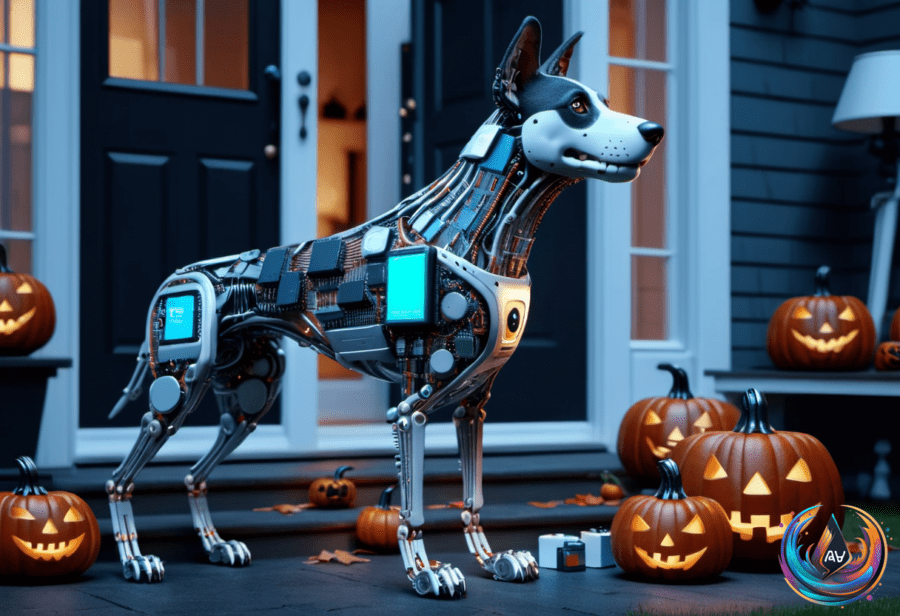
Robotics stepped up this summer with Boston Dynamics testing Spot, their dog-shaped robot, for deliveries. The delivery Spot sports a conveyor belt and can hop out of trucks to leave packages at your doorstep. Videos show Spot walking up to houses and spinning the conveyor belt to drop packages with precision.
Meanwhile, Home Depot upped its Halloween game with a new Skelly skeleton. This 12-foot animated skeleton can speak through your smartphone, using Bluetooth to chat in real time. Skelly’s eyes got a major upgrade—from 8 animations to 20—and the app lets you record up to 30 custom phrases or sounds.
Skelly will be available online starting tomorrow for $379 and in stores later this summer. A simpler $299 version is also available. But Home Depot didn’t stop there. Their Halloween lineup includes an 11-foot mummy with motion-activated LED lighting and sounds, glowing trees, an 8-foot zombie velociraptor, a 3-piece Gremlins collection, and a 20-phrase zombie parrot.
The Future Is Here, And It’s Fun, Fast, and Full of Bots
From coding your lunch order to robots delivering packages and skeletons chatting with trick-or-treaters, 2026 is shaping up to be a game-changing year for AI, robotics, and consumer tech. Developers get new tools to automate tasks. Shoppers get smarter, spookier home decor. And the hardware world sees bold new players entering the arena.
What’s next? Will your smart speaker move on its own? Will your next delivery arrive courtesy of a robot dog? One thing’s certain—tech is sprinting forward, and it’s ready to surprise us all.
Based on
- Yes, you can now order DoorDash from the command line — techcrunch.com
- Codex Micro is a physical keyboard for AI agents — axios.com
- Boston Dynamics Is Using Its Robot Dog As a Delivery Worker – Business Insider — businessinsider.com
- Amid hardware legal battle, OpenAI releases a $230 keyboard for Codex | TechCrunch — techcrunch.com
- Home Depot’s viral 12-foot skeleton now talks | The Verge — theverge.com