AI vendors have stopped hiding the true cost of their infrastructure. Customers will pay more next year. Software and AI providers are raising prices and adding usage fees.
In the past six months, Anthropic, OpenAI, and GitHub moved away from simple flat-rate subscriptions. They now charge based on how much you use their AI services. Microsoft joined the trend by launching a premium E7 license. It bundles M365 Copilot, Agent 365, and extra security on top of their E5 plan.
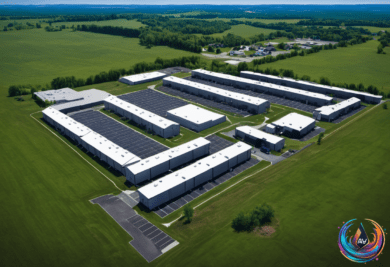
AI datacenters are expensive. Consultants put the build cost at $2 trillion by 2030. That price tag isn’t just for hardware. Electricity bills for running these centers are exploding. PJM, the largest US electrical grid operator, expects $6.3 billion more in consumer costs across 13 states because of data center power demands. Since 2024, data centers have already added $29 billion in costs in those regions.
IT budgets are swelling with AI’s rise. Eighty percent of decision-makers say data and software budgets will climb. Staffing made up 35 percent of IT budgets in 2025. Most tech leaders—67 percent—plan to increase staffing budgets for 2027. Another 23 percent expect them to stay flat. Only 10 percent foresee cuts. Data and analytics roles see the most growth—68 percent expect more hires there.
IBM’s recent earnings warning points to a shift in spending. Customers are funneling more money into memory chips, servers, storage, and cybersecurity. AI demands new infrastructure and protection, and companies are adjusting their budgets accordingly.
Meanwhile, open-weight AI models are shaking up the scene. On Vercel’s AI Gateway platform, open-weight models now make up 29 percent of token volume. That share nearly tripled since April. Zhipu’s GLM-5.2 model surged 50-fold in daily token volume since mid-June. DeepSeek’s V4 Flash captured more than 20 percent of platform traffic, up from 15 percent a month earlier.
Open-weight models run at about one-fifth the cost of proprietary models like Anthropic’s Claude Opus 4.8. They let companies download code for free and run it on local machines. Proprietary models require costly cloud subscriptions and charge by token.
But usage-based billing raises new challenges. Many organizations lack tools to forecast and control AI spending. Reports urge funding runtime cost controls such as model routing, semantic caching, and usage guardrails to avoid runaway costs.
Staffing remains robust despite layoffs in big tech. One report notes layoffs at Oracle, Microsoft, and Meta but says IT staffing spend hasn’t dropped. The focus has shifted from hiring volume to investing in foundational capabilities: trusted data, governance, readiness, and adapting as AI evolves.
Sharyn Leaver put it bluntly: “The organizations that outperform in 2027 won’t be those that spend the most on AI. They’ll be the ones that invest in the foundations that make AI effective.” The AI arms race is no longer about throwing money at models. It’s about managing data, costs, and people smarter.
Based on
- AI vendors have found someone to pay their infrastructure bills: You — theregister.com
- Is the AI bill coming due at your company? — nbcnews.com
- IBM Shows AI’s Biggest Winners Are Draining Everyone Else’s Budgets – Business Insider — businessinsider.com
- AI’s power bill is here. | The Verge — theverge.com
- As US AI costs soar, global businesses pivot to China’s low-cost, open-weight models | South China Morning Post — scmp.com