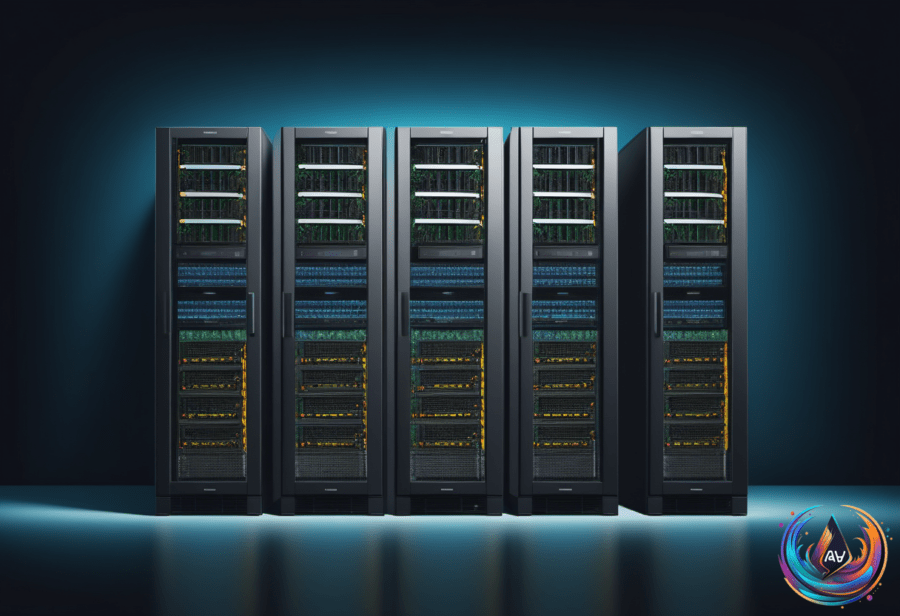
AI power isn’t just about smart algorithms anymore. It’s about who controls the machines that run them. India and the UAE just rewrote the playbook with a bold partnership to build sovereign AI infrastructure. They’re breaking free from the grip of U.S. cloud giants and staking their claim in the global AI race.
Forget renting compute from Amazon, Microsoft, or Google. This deal puts supercomputers on Indian soil, operated under local laws but powered by cutting-edge hardware from a UAE-backed company. It’s a game-changer for governments craving true control over their AI futures.
The New AI Compute Alliance
At the heart of this alliance is G42, a powerful Abu Dhabi-based AI conglomerate. They’re deploying 64 supercomputers using Cerebras chips—the largest AI silicon ever made. These chips process AI tasks with speed and scale that rival the usual Nvidia setups.
India’s national AI program already uses tens of thousands of Nvidia processors. Now, with G42 stepping in, India gains a second, independent path. It’s less about competition and more about sovereignty—owning the hardware, the data, and the rules.
G42’s approach is pragmatic. They blend the best technology from multiple countries and adapt it to local needs. India’s focus on healthcare, agriculture, and public services fits perfectly with Cerebras’s strength in running AI applications fast.
Behind the Scenes: Challenges and Risks
But the road isn’t smooth. G42’s massive AI campus in Abu Dhabi faces a hidden crisis called “compute debt.” Their hardware ages fast, losing efficiency as new chips hit the market. The arrival of Nvidia’s Blackwell-2 chips has left G42’s fleet lagging behind by 40% in performance.
On top of that, U.S. export rules block shipments of newer chips to the UAE, citing security concerns. That leaves G42 with older tech that burns huge amounts of power and struggles to keep cool, especially in desert heat. They’re now forced to invest heavily in liquid cooling and infrastructure upgrades just to keep the machines running.
This battle with physics and geopolitics puts a ceiling on G42’s ambitions. The projected AI-driven economic boost for the UAE now looks far smaller than initially promised.
New Financing Models Fuel Sovereign AI Growth
Meanwhile, Core42, G42’s AI infrastructure arm, secured $550 million in debt financing from HSBC. This isn’t typical venture capital. It’s trade finance that treats AI hardware like a utility asset, with predictable revenue and long-term contracts. This financial innovation lets sovereign AI projects scale without diluting ownership.
Core42 is expanding fast. They’re building data centers in the U.S., Europe, and India, meeting strict data residency rules. Their footprint now includes supercomputers in Buffalo and new clusters in Europe’s tech hubs. This multi-continent strategy puts them on the map as a global sovereign cloud provider.
India’s AI Infrastructure Race Heats Up
India isn’t just sitting back. Reliance Industries plans a mega AI data center in Andhra Pradesh, joining Google’s expansion push. The state is fast becoming a hotspot for hyperscale AI infrastructure. This reflects India’s drive to build AI capacity that serves local industries and government projects.
With multiple states rolling out attractive policies and power supply, India’s data center market is booming. The demand for AI-ready infrastructure is exploding, and domestic players like Reliance are racing to meet it.
The Global AI Compute Chessboard
- The Gulf region has poured tens of billions into AI infrastructure, betting on owning the compute bottleneck before the U.S. intelligence community even secures enough chips for its classified projects.
- France is also drawing big players. SoftBank just pledged €75 billion to build 5 GW of AI data center capacity, pushing Europe’s AI sovereignty ambitions forward.
- Meanwhile, U.S. chip makers keep innovating, but export controls and supply shortages create complex geopolitical dynamics around who gets access to the latest silicon.
Compute power is no longer just a commodity. It’s a strategic asset wrapped in national security, trade policy, and massive capital investment. The countries that control it will shape AI’s future, from innovation to governance.
What’s Next on the AI Horizon?
The AI infrastructure race is heating up fast. We’re seeing diverse models emerge—from hyperscale cloud giants to sovereign alliances like India and the UAE’s. The stakes are high. Compute sovereignty means control over data, rules, and economic power.
Will more countries follow India and the UAE’s lead? How will U.S. export policies shape the flow of AI hardware? And can massive data centers overcome energy and cooling challenges without breaking budgets? The answers will shape the decade ahead.
One thing is clear: AI’s future won’t be decided solely in Silicon Valley. It will be built in server rooms, data centers, and policy halls around the world. The compute chessboard is set. The moves are just beginning.
Based on
- India’s AI deal with the UAE challenges U.S. cloud dominance — restofworld.org
- KATIE: System: G42 (UAE) — the-cassandra-files.ghost.io
- HPCwire – Since 1987 – Covering the Fastest Computers in the World and the People Who Run Them — hpcwire.com
- Core42 Secures $550M HSBC Funding for AI Expansion — unitedarabtimes.com
- US chip scramble and the Gulf’s sovereign bet – Gulf Times — gulf-times.com
- Reliance Plans Massive AI Data Centre Hub in Andhra Pradesh After Google Expansion Push — convergence-now.com