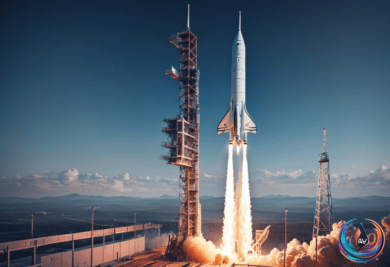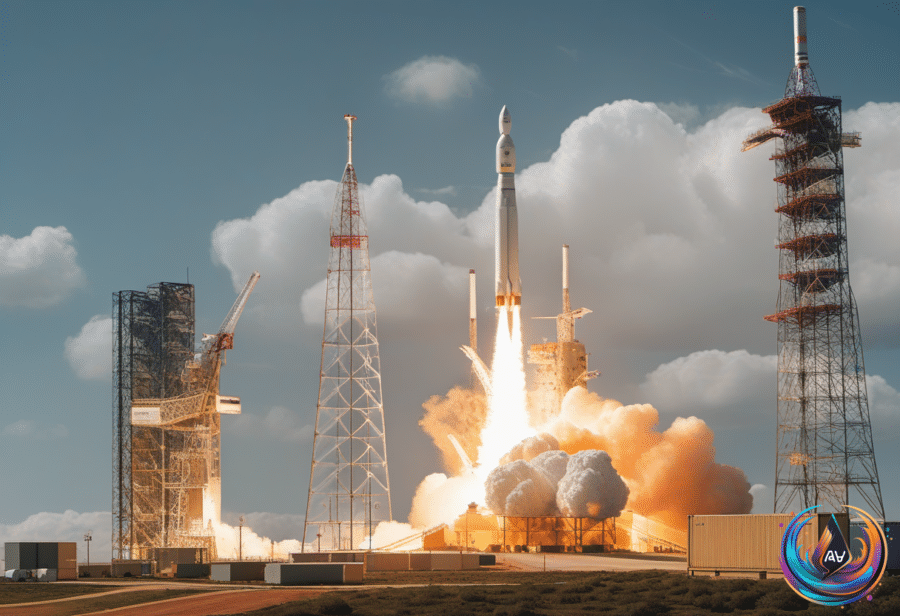
Amazon’s satellite push just survived a serious launch failure. A European Ariane 6 launcher placed 36 satellites into orbit Tuesday, bringing the Amazon Leo fleet to 432 satellites and giving the broadband project an important rebound. The company still has hundreds of satellites in storage waiting for rides to space.
The launch followed the loss of 40 Amazon Leo satellites during a United Launch Alliance Vulcan failure earlier this month. Vulcan misfired during a mission carrying Amazon satellites, sending the rocket and its payload back to Earth minutes after liftoff. ULA said the failure came from an inadequate fuel supply to the first-stage engines and that it had completed an initial integrated review of flight data from the anomaly.
That failure matters beyond Amazon. The mission was the first of 38 Vulcan launches booked by Amazon to build its broadband network, and Vulcan also holds contracts for roughly half of the US Space Force’s national security missions over the next few years. ULA’s rocket will remain sidelined for months, leaving Amazon to find other ways to keep its constellation moving.
Falcon 9 becomes the pressure valve
Amazon cast a wide net when it began signing launch deals five years ago, securing rides on 108 flights with every available medium- or heavy-lift rocket in the West for a planned fleet of 3,232 satellites in low-Earth orbit. As of Tuesday, Amazon and its launch partners had completed 17 of those flights, with one mission failure.
The original plan depended on rockets that were still in development. Amazon executives bought capacity from United Launch Alliance, Europe’s Arianespace, and Blue Origin, while nearly all those contracts relied on Vulcan, Ariane 6, or Blue Origin’s New Glenn. New Glenn has been grounded since May after an explosion on Blue Origin’s launch pad in Florida, and Vulcan now faces its own pause.
Amazon began booking launches with SpaceX in 2023. Falcon 9 successfully carried Amazon’s first three missions last year, with 24 satellites on each flight, and Amazon later reserved 10 more Falcon 9 flights as delays mounted at ULA and Blue Origin.
An Amazon official says the company is accelerating several Falcon 9 launches purchased from SpaceX. The next Falcon 9 launch for Amazon Leo is planned for December, moved forward from its previous launch date next year, with several more Falcon 9 missions scheduled in rapid succession afterward.
That arrangement carries an obvious tension: SpaceX owns Starlink, the network Amazon wants to dethrone. Starlink already has more than 11,000 satellites, while Amazon aims to catch up and bring competition to the satellite broadband market. Helping a rival reach orbit is still good business when the rocket has launch slots to fill.
Ariane 6 offers capacity, with limits
Arianespace is also delivering. The Ariane 64 rocket, equipped with four strap-on boosters, launched the 36 Amazon Leo satellites from Kourou, French Guiana, and has completed four successful Ariane 6 flights for Amazon this year. Amazon reserved six additional Arianespace flights in September after Ariane 6 proved its mettle.
Europe’s launcher now faces a production problem rather than a demand problem. Its rocket factories are sized to support up to nine or 10 Ariane 6 flights per year, while Arianespace will likely reach six flights this year, with one more remaining before the end of December.
Ariane 6 is also single-use, unlike Falcon 9 and New Glenn. European taxpayers paid for its development and industrial capacity, then continued subsidizing each flight—whether it carries a European government payload or commercial satellites for a large American corporation like Amazon. European government ministers are considering proposals to increase production, with a decision possible next month.
Amazon’s timing is complicated by SpaceX’s own transition. Starlink launches on Falcon 9 are winding down as Starship enters service, and Starship can launch heavier, more powerful Starlink satellites. That shift opens Falcon 9 launch slots for Amazon in the near term, even though SpaceX does not plan to keep Falcon 9 around indefinitely and has reportedly stopped accepting commercial bookings after 2028.
Federal regulators approved Amazon Leo’s second-generation constellation earlier this year, allowing the fleet to grow to more than 7,000 satellites in the 2030s. Amazon also plans a direct-to-device service, joining SpaceX and others in chasing consumer demand for mobile connectivity. Starlink is far ahead, but Amazon now has two functioning launch routes after its first major setback—assuming the rockets cooperate, which remains an ambitious assumption in this industry.
Based on
- Amazon discovers Falcon 9 and Ariane 6 can deliver when nobody else can — arstechnica.com
- Amazon surges launches with rival SpaceX after ULA fails to deliver | Ars OpenForum — arstechnica.com
- Category: Space – Ars Technica — arstechnica.com
- Rocket Report: A weekend of ups and downs; Stoke celebrates engine milestone – Ars Technica — arstechnica.com
- Tag: vulcan – Ars Technica — arstechnica.com