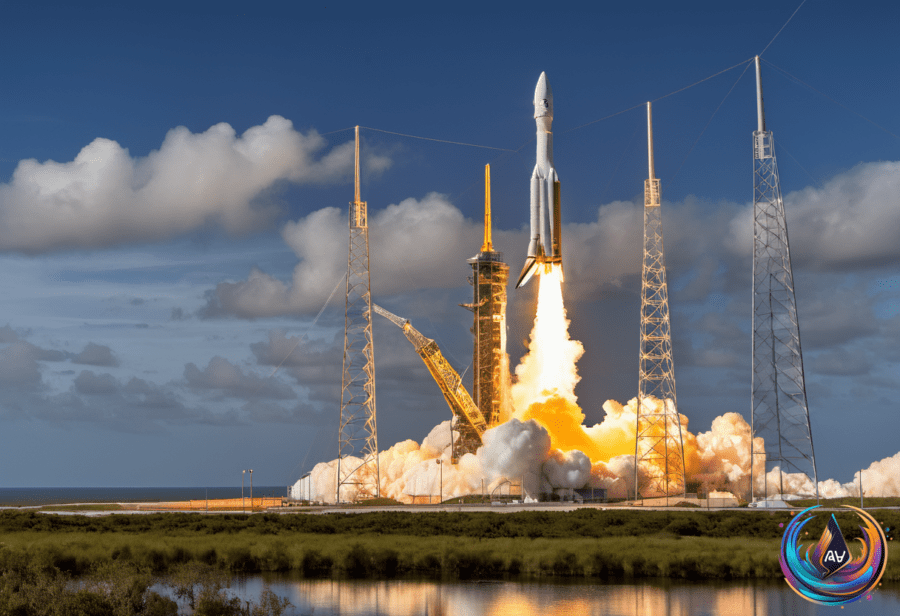
On July 2, 2026, Amazon successfully launched 29 new Leo satellites into orbit. This launch took place at 12:30 a.m. ET from Florida’s Cape Canaveral Space Force Station. The mission used the Atlas V 551, the most powerful version of the Atlas V rocket.
These 29 satellites bring Amazon’s Leo constellation to over 390 satellites in space. Previously, 224 Leo satellites had already been launched. In total, Amazon has deployed about 396 Leo satellites so far. These satellites are part of Amazon’s plan to create a satellite broadband network focused on underserved regions worldwide.
The Atlas V rocket has played a big role in this effort. Introduced in 2002 and developed by Lockheed Martin, the Atlas V has been a reliable workhorse for government and commercial launches. Over its 21-year history, it has flown more than 80 missions, including military satellites and interplanetary probes. The recent launch was the Atlas V’s 80th and final flight, marking the end of an era.
United Launch Alliance (ULA), the launch service provider, will now phase out the Atlas V in favor of its new Vulcan Centaur rocket. The Vulcan can carry more than 40 satellites per flight and will launch more often. This transition aims to lower costs and increase launch capacity for projects like Amazon’s Leo constellation.
Preparing for Operational Service
Amazon says the rocket deployed all 29 satellites successfully. They already made contact with the satellites and confirmed they are working. The last step is raising the satellites to their assigned operational altitude of 392 miles. Once this is done, the Leo network will be ready to start providing broadband service to customers.
Amazon’s Leo project is part of its broader Project Kuiper, which aims to build a network of about 3,200 low Earth orbit satellites. These smaller Leo satellites complement Kuiper’s larger ones by targeting specific underserved areas. Amazon plans to keep launching more Leo satellites over the coming months to expand coverage.
Melissa Wuerl, Amazon Leo’s Director of Launch Systems, said, “With hundreds of flight-ready satellites standing by at the Cape and a new, dedicated vertical integration facility ready to support Leo Vulcan 1 and subsequent missions, we have a clear path to increase launch and deployment cadence.” She expects an initial service rollout later this year.
The Race in Space Broadband
Even with nearly 400 satellites in orbit, Amazon’s Leo still has a long way to go. SpaceX’s Starlink dominates this market with more than 10,000 satellites providing internet today. Amazon aims to compete by building a smaller, more targeted network.
Chris Weber, Amazon Leo’s Vice President, said the current deployment is “enough to support continuous service across initial latitudes.” This means Amazon can start offering broadband in select regions while continuing to grow the network.
The Atlas V’s retirement reflects a broader shift in the launch industry. New rockets like ULA’s Vulcan promise higher payloads and lower costs. This will help companies like Amazon deploy large satellite constellations faster and more affordably.
This final Atlas V launch was a historic milestone. Tory Bruno, ULA’s CEO, called it “the end of an era” and praised the rocket’s reliability and versatility. The rocket has supported critical missions for NASA, the military, and commercial clients for over two decades.
As Amazon continues to deploy Leo satellites, the space broadband market will remain a key battleground. With new launch vehicles and growing satellite constellations, global internet coverage could become more accessible in the years ahead.
Based on
- Amazon is ready to deploy the Leo satellite broadband service — engadget.com
- Amazon Leo Ready For Initial Service After Final Atlas V Deployment | Aviation Week — aviationweek.com
- Amazon’s midnight Leo launch allows Starlink competitor to go live later this year | Seeking Alpha — seekingalpha.com
- United Launch Alliance to launch 29 Amazon Leo satellites — newsbytesapp.com
- ULA launches final Atlas 5 rocket supporting Amazon Leo’s broadband internet satellite constellation – Cables and Networks — cables-and-networks.com