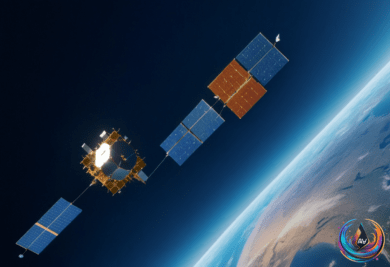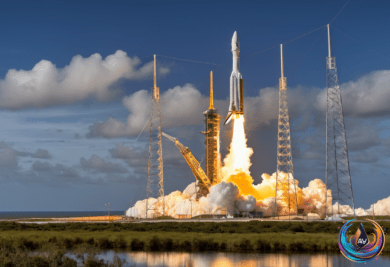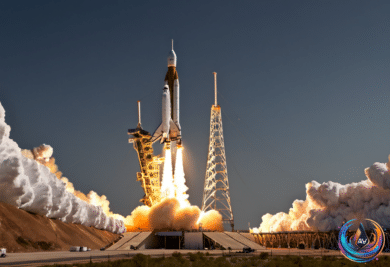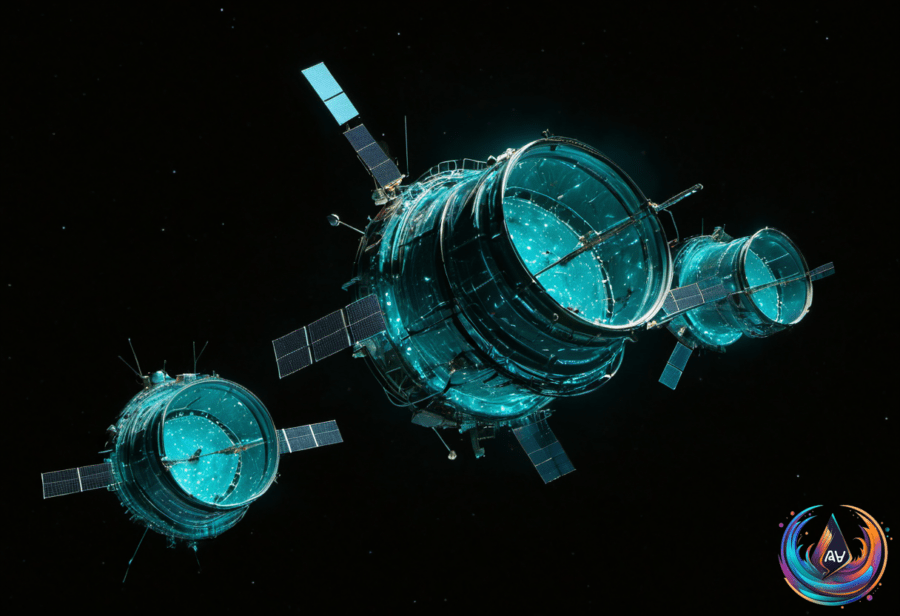
The FCC has granted Amazon a crucial extension to deploy its Leo satellite constellation. The original deadline to launch half of the 3,232 satellites was July 30, 2026. Amazon has only managed to deploy around 331 satellites so far, far short of that target.
This extension comes with a catch. Amazon loses priority status in the Ka and Ku spectrum bands for satellites launched after July 31, 2026. That means Amazon must prove its newer satellites won’t interfere with others—mainly SpaceX’s Starlink. This is a regulatory penalty designed to keep Amazon moving and keep competition fair.
Amazon originally requested a full two-year extension until 2028 for the halfway deployment. The FCC gave a conditional waiver instead, preserving the final deadline to have the entire constellation operational by July 2029. The commission ruled that supporting a second major satellite broadband provider serves the public interest, even if Amazon is behind schedule.
Amazon blames the delays on a perfect storm of launch setbacks. Three key heavy-lift rockets—Ariane 6, ULA’s Vulcan Centaur, and Blue Origin’s New Glenn—faced repeated delays or grounding. The New Glenn rocket’s recent catastrophic explosion destroyed its only launch pad, wiping out a critical launch vehicle for Amazon. That rocket was set to carry 48 Leo satellites, representing less than 25% of Amazon’s scheduled launches but a vital piece of the overall plan.
Despite these obstacles, Amazon insists it remains on track to roll out commercial Leo internet service later this year. The company has secured launch deals with United Launch Alliance, Arianespace, SpaceX, and Blue Origin. ULA’s Atlas V and Ariane 6 are prepping upcoming launches, while SpaceX’s Falcon 9 also plays a role. Amazon plans to ramp up launch frequency to meet the 2029 deadline, though losing New Glenn complicates matters.
SpaceX strongly opposed the extension. It accused Amazon of seeking special treatment and argued that the delay could interfere with Starlink’s operations. The FCC dismissed these objections, emphasizing that competition benefits consumers and the broadband satellite market.
Starlink currently dominates with over 12 million active users and more than 7,600 satellites in orbit. Amazon Leo’s slower progress means it faces an uphill battle to catch up. The FCC’s decision balances the need to encourage new entrants with protecting existing operators.
Adding to the drama, Amazon is also pursuing a separate $11.5 billion acquisition of Globalstar, aiming to expand into direct-to-device satellite services. This move will require additional FCC scrutiny and could further complicate Amazon’s satellite ambitions.
The FCC’s extension buys Amazon breathing room but not a free pass. The company must accelerate launches and prove it can operate without interfering with rivals. Otherwise, the FCC will cap the number of satellites at whatever is operational by the 2029 deadline.
Amazon’s satellite internet gamble remains one of the boldest bets in space tech. The clock is ticking faster than ever.
Based on
- FCC relaxes Amazon’s satellite internet deadline — engadget.com
- FCC gives Amazon Leo more time on satellite deployment but strips its spectrum priority — thenextweb.com
- FCC Grants Amazon Extended Timeline for Leo Satellite Deployment with Conditions – Compute Report — computereport.com
- Amazon Leo gets its satellite deployment extension — lightreading.com
- Amazon’s Starlink competitor gets a much needed extension. | The Verge — theverge.com