Apple’s first smart display and Meta’s newest Ray-Ban glasses headline a recent wave of technology reviews, but neither product delivers an easy recommendation. The Apple HomeView brings a crisp 7-inch Liquid Retina display, family-friendly features, and strong sound to the smart-home category. The Ray-Ban Meta Gen 3 adds better battery life and a new shortcut button, yet its $449 starting price makes the upgrades harder to justify.
The same review roundup also covers Apple’s HomePod mini 2, the Apple TV 4K, Android XR glasses, a high-end Microsoft laptop, gaming gear, a drone camera, headphones, a tracking device, and an electric vehicle. Taken together, the reviews show a familiar pattern: polished hardware can still run into software limits, platform gaps, and prices that ask buyers to pay more for small improvements.
Apple’s HomeView is useful, but tied tightly to the iPhone
Released on November 13, 2026, the Apple HomeView is a versatile smart hub for managing Apple products without reaching for a phone. It can run CarPlay-enabled apps, control compatible smart-home devices, send texts, make calls, show camera feeds, play music, and help locate an iPhone. Its Start Cooking feature may be the clearest example of its value: hold an iPhone showing a recipe near the HomeView, tap the Show Recipe button, and the device turns the webpage into swipeable steps with a checkable ingredient list and a recipe timer.
The HomeView also has category-leading sound, a refined design, and enough flexibility for the entire family. It can verify who is viewing private messages through biometric data handled by Apple’s Secure Exclave, then ask another family member to switch to their own account. The device can also bring a little entertainment into the kitchen, whether that means playing Frank Sinatra, checking a doorbell camera, or reviewing recent texts.
Here is the catch: the HomeView relies heavily on an iPhone or iPad. Setup requires an iPhone or iPad updated to iOS 27.2 or later, the same Apple account used on the HomeView, a home added to the Home app, and a connection to the home WiFi network. The strongest Siri AI features also require a newer phone, and Siri still struggles with basic tasks, including music requests and some simple questions.
The HomeView costs $299 and comes as either a self-standing speaker in four colors or a wall-mounted device in SpaceGray or Silver. Wall mounting requires extra hardware, including a $79.95 hardwired AC mount from Schneider Home or the $59.99 Power Mount USB-C Wall Connector, which can be installed without professional help but needs a 20W or more power adapter sold separately. Apple also plans a hardwired power over ethernet mount, but that option is not available yet.
The HomeView received a 6/10 review score. It works best for people already committed to Apple Music, iCloud, Apple Photos, and Apple’s larger smart-home ecosystem, which Apple designed with LG and Schneider Electric. That ecosystem will include indoor and outdoor cameras, a smart thermostat, a video doorbell, a smart lock, and sensors later this year. Compatibility remains a problem, although Matter allowed an Ikea Varmblixt smart lamp to connect to Apple Home.
Meta’s Gen 3 glasses add polish without changing the value equation
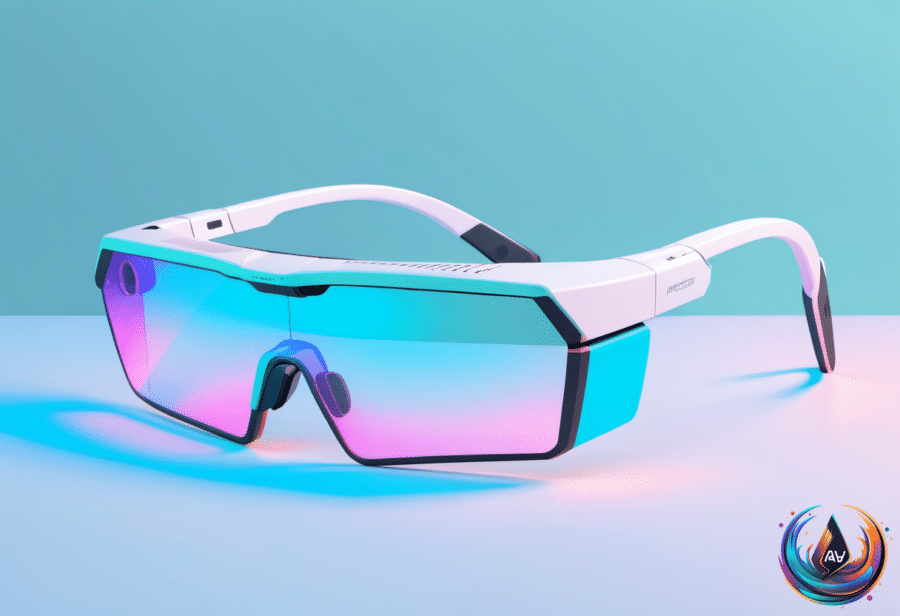
Meta’s Ray-Ban Meta Gen 3 glasses keep cameras but do not add displays. They are the company’s most premium Meta-branded smart glasses without a display, and they come in three frame styles: slimmer Wayfarer frames, the new cat-eye Zena, and Aviator, which Meta describes as a tribute to the classic Ray-Ban design. Zena and Aviator start at $529, while the Gen 3 Wayfarer starts at $449.
The frames offer a customizable action button that can trigger an action without a voice command. One useful example is setting it to “read my latest text message.” Gen 3 also adds an extra microphone, which improved call clarity during testing, and battery life rated at up to 9 hours with another 50 hours from the charging case. Continuous audio playback reached about six hours, while Live AI uses more power.
The trade-offs are clear. The glasses slipped down the reviewer’s nose, and although the tips are technically adjustable, an optician or Meta store must handle the adjustment. The review gave the Ray-Ban Meta Gen 3 a 7.3/10 rating, calling out slightly better battery life and more color choices while criticizing the lack of a DIY adjustable fit and the high price for small upgrades.
The glasses use Muse Spark for their AI assistant, which made conversations feel more natural and reduced errors. Muse itself remains in beta and has not officially rolled out, though the planned feature will let users chat with the agent and show it what they see through the cameras. Meta also says users can opt out of training AI models on visual data collected by the glasses. For buyers focused on value, Meta’s non-Ray-Ban glasses start at $249, Gen 2 remains available for $349, and Gen 1 frames can still be bought for $224.
Small updates, expensive hardware, and mixed results
The HomePod mini 2 earned a 7.2/10 score and costs $149. It swaps in the S10 chip from the Apple Watch Series 10, adds Sound Glow animations, supports four-speaker surround sound with the fourth-generation Apple TV 4K, and comes in pink, green, blue, white, and midnight. Yet Siri AI is not available, Apple has provided no timeline for it, and the speaker does not offer a major sound upgrade over the first generation.
Other reviews found similar compromises. The Apple TV 4K remains a speedy, best-in-class streaming box with built-in Siri microphones, but it costs more than before. The Xreal Aura offers light, bright, comfortable Android XR glasses, though Devindra said the platform is “half-baked” and makes the device cost twice as much as the company’s previous hardware. Microsoft’s sleek, powerful, and expensive Surface Laptop Ultra also trails Apple’s M5 Pro laptops in performance, despite its strong refinement.
The roundup also includes the HoverAir Versa, a gimbal camera that transforms into a drone but does not excel at either job; the customizable Nacon Revolution 5 Unlimited controller; Sony’s 27-inch Gaming Monitor with DualSense Charging Hook; the SteelSeries Rival Pro; and the 2027 Chevy Bolt. Other tested products include the Pixel Tag, Neurable One headphones, and Pebble Index 01 ring. For now, the message across these reviews is simple: attractive hardware helps, but software, compatibility, and pricing still decide whether an upgrade feels worthwhile.
Based on
- Engadget review recap: Apple HomeView, Ray-Ban Meta (Gen 3) and more — engadget.com
- Ray-Ban Meta Gen 3 Review: Minor Upgrades That Cost Too Much — engadget.com
- One Of Apple HomeView’s Best Features Will Have You Cooking Like A Pro — engadget.com
- Apple HomeView Review (2026): Should’ve Been Better | WIRED — wired.com
- Apple HomePod Mini 2 Review: A Necessary, But Underwhelming Update — engadget.com