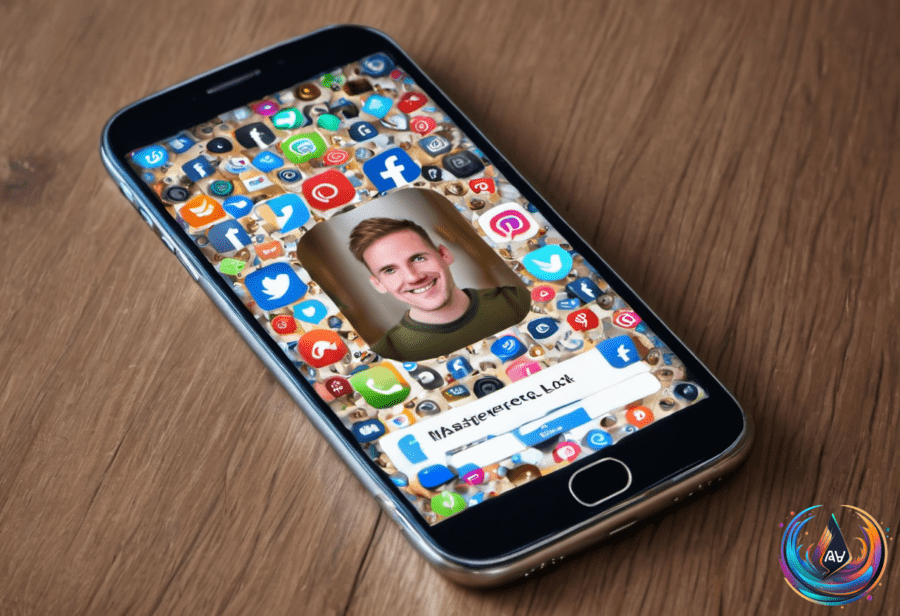
Australia is stepping up its fight against underage social media use. The government doubled the maximum fine for companies that break the minimum age law. The penalty jumped from 49.5 million to 99 million Australian dollars.
The law, which started on December 10, 2026, bans users under 16 from signing up for social media. Since then, more than five million accounts belonging to kids under 16 have been removed, restricted, or deactivated.
Still, many kids are getting around the ban. Studies show a large number of teens under 16 remain active on social media. One study by the University of Newcastle found over 85 percent of Australian teens under 16 still use social media apps. Another poll by the Molly Rose Foundation found 61 percent of kids aged 12 to 15 still had access.
Some kids bypass the ban by using family members’ accounts, creating fake profiles, or browsing in private modes. A peer-reviewed study in the British Medical Journal found 85 percent of 12-to-15-year-olds still used social media three months after the ban began.
Stronger Enforcement and New Powers
The government is also giving the eSafety Commissioner, Julie Grant, more power to enforce the law. She can now demand evidence from social media companies and third parties to check compliance. This step shows the government’s commitment to cracking down on non-compliance.
Prime Minister Anthony Albanese said, “It’s clear big tech are not doing enough to comply with the law.” He added, “There are still too many children on social media.” Albanese stressed that the government takes failures by social media companies seriously.
Communications Minister Anika Wells echoed this. She said social media platforms are using tricks “straight out of the big tech playbook” to do the bare minimum. Wells said, “Social media platforms are some of the richest and most powerful companies in the world, and we’re serious about holding them to account.” She promised, “We will not back down. Instead, we are doubling down on our efforts to hold big tech to account.”
Platforms and New Technologies
Australia’s online safety agency is investigating if major platforms like Facebook, Instagram, Snapchat, TikTok, and YouTube are breaking the rules. These platforms must prove they verify users are at least 16 years old. They also need to show they took reasonable steps to stop minors from creating accounts.
To meet these requirements, many platforms have started using AI-powered age estimation tools. They also use government ID verification systems. These technologies aim to catch fake accounts and prevent underage access.
Despite these measures, some companies are pushing back. Reddit is challenging the law in Australia’s High Court. The company argues the ban conflicts with free speech rights. The court case could affect how the law is enforced going forward.
Australia’s age ban has inspired other countries to consider similar rules. The UK, Indonesia, Malaysia, China, Canada, Brazil, France, Spain, Denmark, Greece, and Austria are watching closely. Australia’s approach is becoming a global example in regulating social media for kids.
The government plans to introduce a wide-ranging “digital duty of care” by the end of the year. This will place more responsibility on platforms to protect users, especially minors. The law marks a strong push to make social media safer for young people.
Even with the challenges, Australia is sending a clear message. Social media companies must do more to protect kids. The government is ready to enforce tougher penalties and use new powers to make sure the law works.
Based on
- Australia doubles the maximum penalty for its social media ban — engadget.com
- Australia Doubles Down on Social Media Age Ban Enforcement | Law-Order — devdiscourse.com
- Sweeping changes to under-16 social media ban as maximum penalty doubled for non-compliant platforms | The Nightly — thenightly.com.au
- Facebook, TikTok, and YouTube Face $68 Million Fines in Australia’s Under-16 Social Media Ban – Bloom Pakistan — bloompakistan.com
- Australia Doubles Penalties And Expands Watchdog Powers As Under-16 Social Media Ban Falters — hngn.com