Amazon Web Services introduced Kiro bots on Thursday, adding persistent agents to its Kiro Crew development workspace. The feature is now generally available and gives developers a way to assign recurring jobs to bots that remember decisions, coordinate other agents and keep work moving between human interventions.
The idea addresses a problem that appears when developers hand several tasks to AI at once. Someone still has to check which agents have stalled, compare their results and repeat the same requirements when work resumes. AWS wants bots to take over that coordination instead of leaving developers to manage every worker session themselves.
One bot, one responsibility
A developer could assign one Kiro bot to monitor failed builds, another to review proposed code changes and a third to check whether a release is ready. Each bot keeps its own context, continuing conversation, notes and dedicated workspace, while also directing multiple worker sessions.
Developers can return to a bot’s conversation to change direction or review findings without reopening every worker session individually. According to AWS, a bot can launch several sessions, track their progress, correct deviations and consolidate the results.
That does not mean the bots operate without limits. When one branch of work needs a human decision, the bot can ask for that decision while continuing other tasks that do not depend on the answer. Developers still define the job, provide access to the relevant systems and decide what counts as completion.
Schedules can also be described conversationally. A bot could investigate failures overnight or assemble a weekly summary of changes, with its activity log recording routine work and its conversation surfacing findings and questions that need attention.
AWS lists four possible assignments: categorizing incoming issues and finding duplicates, checking build pipelines for new failures, comparing proposed changes with earlier engineering decisions, and verifying tests and documentation before a release. These are configurable workflows, not four autonomous replacements for engineering functions.
Memory, permissions and model choices
Each bot’s memory stays tied to its assignment. Deployment decisions can remain separate from the context collected by a research bot, and users can inspect, revise or remove remembered information. The announcement describes improvement through saved context, conversations and corrections, but it does not establish that Kiro bots retrain their underlying models.
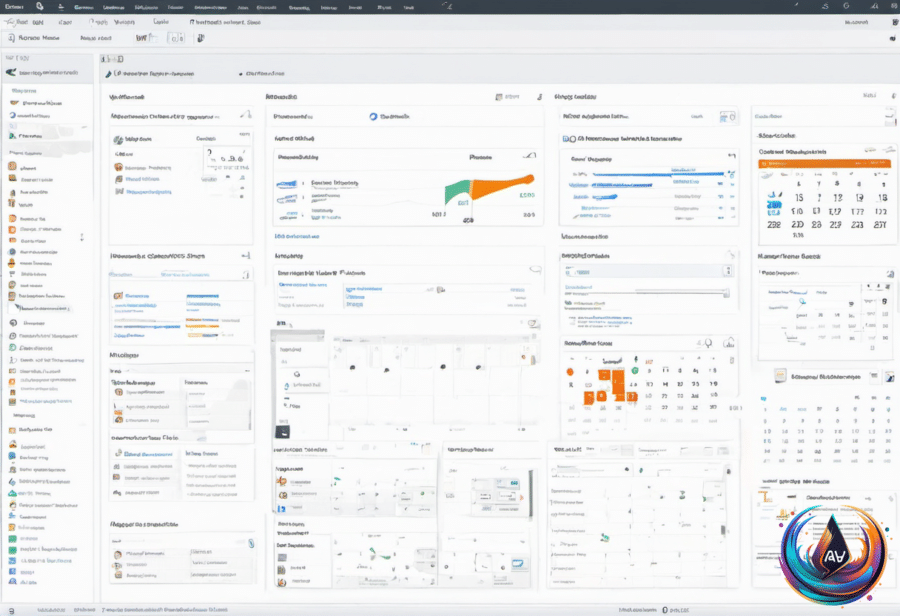
The practical promise is simple: developers should need to explain a recurring preference or constraint fewer times. A customized dashboard can make that information easier to review. In an example accompanying the announcement, a GitHub monitoring bot groups issues by topic and shows changes in the backlog, allowing developers to inspect the work without reading every underlying exchange.
Permissions vary by bot as well. AWS describes a research configuration that can inspect files without editing them and a deployment configuration that requests approval before making changes. An example review bot can comment and request revisions, but it cannot approve or merge code.
Users can adjust those boundaries later. AWS says adding tools requires user approval, while the developer decides how much initiative each bot can take. That matters because the value of unattended work depends on what the bot can access and what happens when it reaches a decision outside its instructions.
Model selection adds another control. The coordinating bot and its workers can use different models, letting a team reserve a more capable model for planning and assign repetitive checks to a cheaper option. Kiro’s model catalog includes offerings from OpenAI and Anthropic, along with open-weight alternatives, and availability and credit charges vary by model.
The cost question remains open
Bots can run through Crew on a laptop, a Mac Mini or an Amazon EC2 instance, according to the announcement. That gives users choices about where the workspace operates, but running the software on their own hardware does not mean every underlying model runs locally.
AWS enters an established competition to automate work between user prompts. Scheduling, retained context and background execution already appear in rival products, so the main question is not whether these controls exist. It is whether Kiro bots can reduce the management work without creating a new layer of checking.
AWS’s pricing page says Kiro subscriptions cover Crew along with the IDE, CLI and web product. The launch post does not announce a separate per-bot fee. For teams of at least two, AWS lists pooled usage at $20 per seat per month, with each seat contributing 500 credits. That differs from the individual $20 Pro plan’s 1,000-credit allowance, while extra team credits cost $0.04 each.
A credit does not equal a completed task. Consumption depends on the complexity of the work and the model selected, so teams cannot calculate the monthly cost of a scheduled bot from the subscription price alone. More frequent checks, larger repositories and repeated attempts can all change the cost of unattended work.
Using one model for coordination and another for worker tasks gives Kiro users a possible cost-control option, but AWS does not provide a measured savings figure for that arrangement. The launch post also provides no comparative benchmarks, quantified productivity results or measured mistake rate for the new bots.
For now, Kiro bots offer a structured way to divide recurring development work, preserve context and set boundaries around initiative. Whether they reduce oversight will depend on how well they follow instructions, escalate decisions and stay within the permissions teams assign. Developers will still need to decide how much supervision each workflow deserves.
Based on
- Why AWS wants developers to stop babysitting their AI agents — thenewstack.io
- AWS launches agentic AI Kiro bots with memory and support for recurring development jobs | VentureBeat — venturebeat.com
- The Agent Management Function: A New Capability For The AI-Native CIO — forbes.com
- Before Your AI Agent Acts, Decide Where It Must Stop — forbes.com
- AI Orchestration Tools & Agentic Workflows | VentureBeat — venturebeat.com