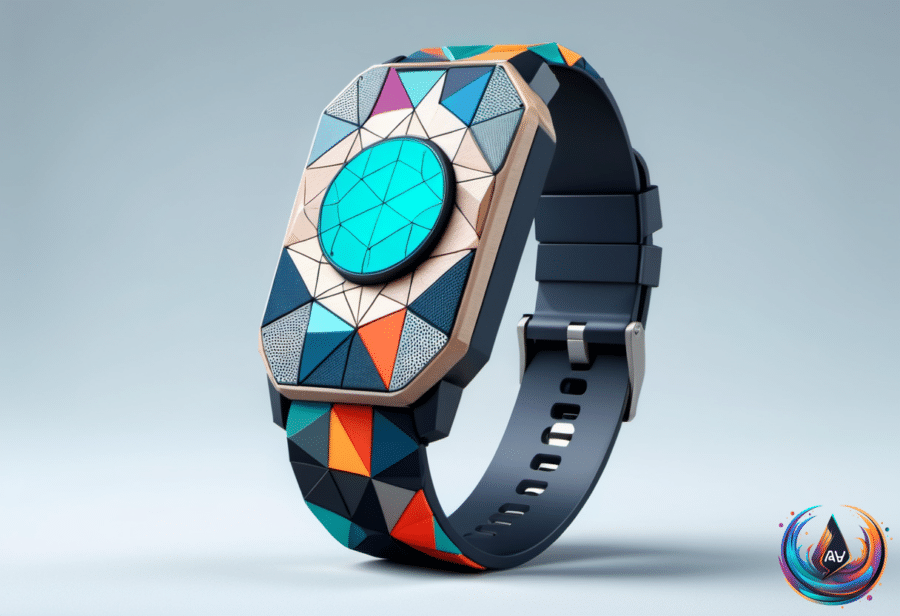
Bee has new hardware. The wearable AI startup, acquired by Amazon, announced two AI note-taking devices called the Frontier and Eclipse on Oct. 15, 2026, at 8:00 am EST. The launch also includes a Pro subscription and software updates.
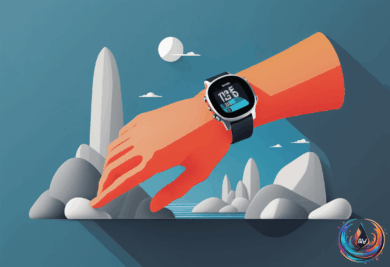
The Frontier replaces the Pioneer as Bee’s smaller wearable device. It can slot into a bracelet or clip, includes an onboard button and LED indicator, and comes in more colors than the Pioneer. Bee also says the Frontier is lighter and carries an IP67 rating for dust and water resistance.
The changes come with a higher price. The original Pioneer cost $50, while the Frontier is available for $75 at Amazon; the Pioneer is no longer available to purchase. Both devices use dual microphones with noise filtering, keeping the basic recording hardware familiar even as Bee changes the design.
Frontier keeps the wearable format
The Frontier has an estimated 7-day battery life, giving it a compact format with enough power for a week between charges. Its bracelet-or-clip design lets the device sit on clothing or the wrist, while the button and LED indicator provide physical controls and a visible status signal.
That combination separates the Frontier from a phone-based recording tool without changing what it does. The Frontier and Pioneer perform AI note-taking functions, and both use dual microphones with noise filtering. Bee is replacing the older device rather than keeping the Pioneer in its lineup as a lower-cost option.
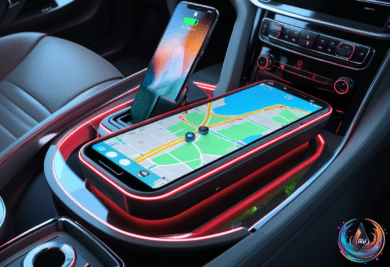
The second device takes a different approach. The Eclipse is a magnetic, rectangular puck that snaps onto a phone and performs similar functions to the Frontier and Pioneer, but its battery lasts more than 21 days—three times the Frontier’s battery life.
Eclipse puts privacy controls on the device
The Eclipse has a button, an indicator light, and three onboard microphones. Bee says the device is designed with privacy at its core, with the button used to turn it on or off and a visible indicator light shown when it is summarizing a conversation.
Bee also says audio from its devices is never stored, cannot be accessed or shared, and users are prompted to gain permission from call participants each time a recording is started. In Bee’s words, “like all Bee devices, audio is never stored, cannot be accessed or shared, and users are prompted to gain permission from call participants each time a recording is started.”
The company describes the Eclipse in similar terms: “The Eclipse, like the Frontier, ‘is designed with privacy at its core, with one button to turn it on or off and a visible indicator light on when it’s summarizing a conversation.’” The controls are physical, the recording status is visible, and permission remains part of the recording process.
Bee’s two-device strategy is clear. The Frontier takes over from the Pioneer with a smaller, lighter design, more colors, a 7-day battery, and a $75 price, while the Eclipse adds a phone-mounted form and more than 21 days of battery life.
For Amazon, the products mark Bee’s first new hardware announcement since the acquisition. For Bee, the lineup offers two answers to the same problem: a wearable device for the bracelet or clip, and a magnetic puck built for the phone. Apparently, even note-taking now needs a product family.