Congress is juggling a lot when it comes to artificial intelligence. Lawmakers want to use AI to fight cancer and catch tax cheats. At the same time, they are trying to control AI chatbots and the energy-hungry data centers that power them.
On July 9, Representative Michael McCaul introduced the Accelerating Innovation for Kids with Cancer Act. This bill would create a Coordinator of AI Innovation focused on supporting pediatric cancer research. It aims to harness AI’s power to find new treatments faster.
Meanwhile, tax fraud is also on lawmakers’ minds. Representative Vern Buchanan proposed the AI Tax Integrity Act. It would launch a Treasury pilot using AI to spot identity theft and fake refund claims. Another AI proposal from Representative David Schweikert suggests using anomaly-detection algorithms at Arizona’s border crossings to boost security.
There’s also a federal prize challenge linked to the National AI Initiative Act, offered by Representative Nick Begich. It’s designed to encourage innovation through competition. But not all proposals focus on growth. Representatives Valerie Foushee and Greg Casar introduced the People-First Chatbot Act. This bill would stop companies from training chatbots on data from underage users. It would also require safety assessments and clear disclosures about chatbot risks.
Florida took AI safety a step further by suing OpenAI and naming CEO Sam Altman personally over ChatGPT’s safety concerns. At the same time, the bipartisan Spot the Fakes Act would require AI-generated content to carry metadata labels, helping users spot AI-made material easily.
Big AI Model Moves Amid Safety Concerns
While Congress works on laws, AI companies are pushing new technology. OpenAI announced GPT-Live, a voice model, on July 13. The next day, OpenAI launched the GPT-5.6 family, including Sol, Terra, and Luna models. Meta released Muse Image and Muse Spark 1.1, new image-generation tools. SpaceXAI debuted Grok 4.5 on July 12. Anthropic rolled out a “Reflect” feature on July 13.
Yet a study from the Institute for Advanced Study found problems. Over one-third of chatbot responses were harmful or incomplete. All models tested struggled with election-related information. Lawmakers have called on agencies to ensure AI models are accurate and unbiased to protect election integrity.
One surprising fact: about 40 percent of AI’s “knowledge” comes from Reddit, Wikipedia, and YouTube. This raises questions about the quality and reliability of AI answers.
AI Data Centers: Powering Progress or Draining the Grid?
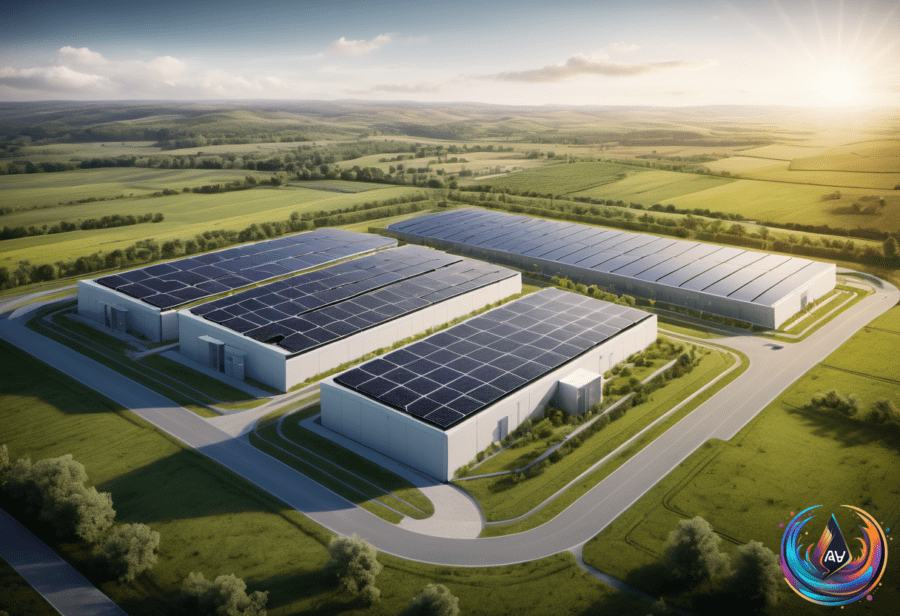
AI’s benefits come with a big cost: energy. The US Energy Information Administration said commercial energy demand will beat residential demand for the first time in 2026. This shift is driven by AI data centers. Their energy use is expected to double by 2027.
Data centers are massive power consumers. They use as much energy as entire states. From January to March 2026, protests blocked or delayed 75 AI data center projects worth $130 billion. Opposition groups grew from 396 at the end of 2025 to 833 by the end of Q1 2026, covering 49 states. They gathered over 235,000 petition signatures in that period.
Several projects faced direct pushback. A QTS data center in Prince William County, Virginia, was stopped in July 2026. QTS also dropped plans for a $12 billion campus in Wisconsin. Kevin O’Leary had to downsize his 40,000-acre Project Stratos in Utah after protests.
President Donald Trump signed an executive order last year to fast-track AI data center construction. But some lawmakers want to pause new centers until utility price hikes and environmental harm are addressed. Senator Bernie Sanders and Representative Alexandria Ocasio-Cortez introduced a bill calling for a moratorium on new data centers.
The Ratepayer Protection Act, a bipartisan effort, would force tech companies to pay their own energy costs. Another bill, the GRID Act, would require data centers to use energy separate from the US electric grid.
States are also taking action. Florida, Idaho, and Washington passed 28 laws related to AI data centers. New York legislation would require large data centers to meet renewable energy benchmarks by 2030. By 2040, they must get at least 90% of their energy from renewables. Michigan, Oregon, and Minnesota passed laws forcing utilities to use emissions-free energy by 2040. Michigan requires hyperscale data centers to hit 90% clean energy within six years.
California, Illinois, New Jersey, Pennsylvania, and Virginia have similar bills pending. Utilities like Colorado’s Xcel Energy are creating programs to connect large users to clean energy, including geothermal and wind. Google is investing billions in renewable energy for its data centers, including geothermal, wind, solar, nuclear, and battery storage.
Google’s deal with NV Energy to connect geothermal and wind projects got regulatory approval in 2025. They have similar projects in eight states, including Indiana and South Carolina. The Corporate Energy Buyers Association made deals with utilities like Georgia Power to build and connect clean energy sources.
But fossil fuel plants are also rising. The US plans 74 gas-fired plants to power AI data centers. Their greenhouse gas emissions could equal Australia’s total pollution. This shows the tension between AI growth and clean energy goals.
Senator Kristen Gonzalez, author of New York’s data center law, said, “We are literally talking about the wealthiest companies in the world that are looking to build in New York state. If they have the resources to put billions of dollars into data center development, then they certainly should have the resources to build out renewable energy sources to power them.”
California State Senator John Padilla added, “The impacts are massive.”
AI is changing fast. Investor Jason Calacanis compared it to “a better new operating system, laptop and CPU being launched every 14 days.” With innovation racing ahead, Congress faces tough choices. They must balance AI’s promise with safety, fairness, and environmental costs. This week showed just how complex that challenge is.
Based on
- Cure cancer, cage the chatbots: Congress’s contradictory week on AI — thenextweb.com
- The fight against AI data centers is just beginning | The Verge — theverge.com
- The whirlwind 72 hours of rival AI announcements | Business Insider Africa — africa.businessinsider.com
- Fossil fuel surge to power AI sparks advocacy for clean energy sources — ctvnews.ca
- Lawmakers warn of AI risks to election integrity — thehill.com