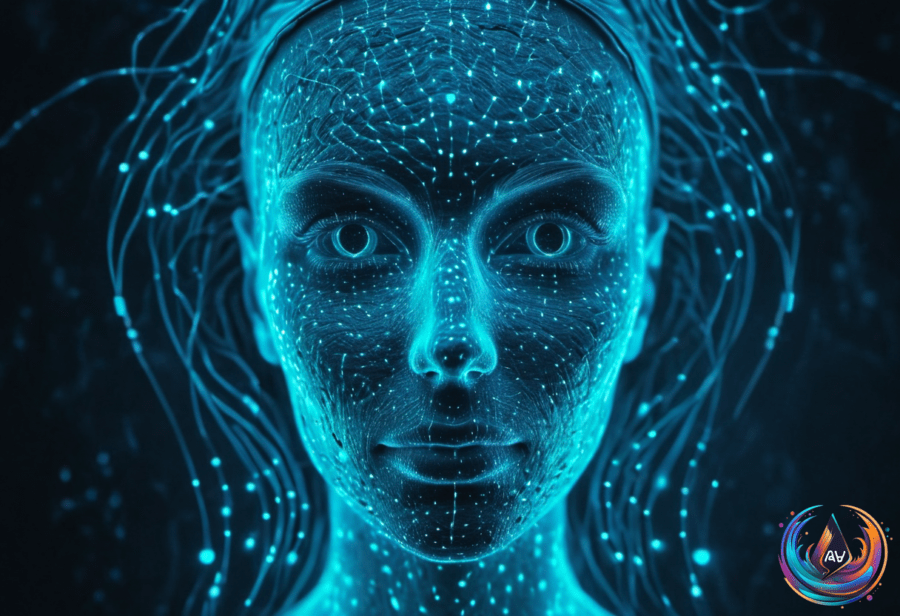
Emotion AI aims to understand how people feel by reading facial expressions, voice tone, and behavior. It can guess emotions like frustration or happiness. This technology is showing up in many places, from job interviews to driver monitoring systems.
Call centers now use emotion AI to spot when a customer is upset. Platforms like NiCE and Genesys listen for signs of frustration. When detected, they prompt agents to respond with empathy. This helps improve customer experience and calm tense situations.
Meta and startups such as Hume AI focus on voice-based emotion AI. Their systems pick up emotional cues in speech and adjust communication accordingly. This makes conversations with AI feel more natural and emotionally aware.
Virtual AI companions are also booming. Hundreds of companies offer apps that provide emotional support or companionship. This market could reach a value of $555 billion by 2035. People use these companions to practice difficult conversations or build emotional skills.
The Challenges Behind Emotion AI
Detecting emotions is harder than it looks. Most systems identify just one emotion at a time by analyzing limited signals. But real human emotions are complex. They overlap, shift, and depend on context. What one person feels in a situation may differ greatly from another.
Culture, age, background, and other factors change how emotions show up. This makes it tough for AI to interpret feelings accurately. Bias and misclassification remain big issues. Some worry about privacy and whether AI might manipulate emotions without consent.
Dr. Rosalind Picard, a pioneer in affective computing, says, “Emotion AI is not just about recognizing emotions, but also about understanding the context and intent behind them.” She believes emotion AI could change how we interact with machines and each other.
What the Future Holds for Emotion AI
Researchers are working on AI that remembers past interactions. This memory helps AI track long-term moods and adapt to changing feelings. Combining data from voices, faces, and behavior will make responses more accurate.
Emotionally intelligent chatbots aim to feel more relatable and empathetic. They rely on tone-aware language models and memory-aware architectures. This means AI will not just react but understand context better.
Emotion AI can expand emotional support to people who need it most. Neurodiverse individuals, those with social anxiety, elderly people, and travelers can benefit. AI companions can help build emotional literacy and practice vulnerability safely.
At the same time, society must watch for risks. Privacy concerns and the loss of authentic human connection are real. Some fear we might become too dependent on AI for emotional support. How we handle these issues will shape the future of emotion AI.
One day, the main way we interact with AI might not be through a screen. It could be through a relationship that moves with us across devices, always ready to tune into how we feel.
Based on
- AI Is Learning to Read the Room — spectrum.ieee.org
- The Future of AI: Emotionally Intelligent Chatbots (2026) — suggeelson.com
- Can Robots REALLY Read Your Emotions? AI’s Social Intelligence Breakthrough (and Where It Fails!) (2026) — ballinskelligsinn.com
- The Rise of Emotion AI: How Artificial Intelligence is Revolutionizing Human Interaction – what.it.is — dev.what.it.is
- The Future of Human-AI Interaction: Unlocking Emotional Connections (2026) — stjohnsmankato.org