Apple’s iPhones and iPads have come a long way in charging speeds. The latest models can charge at up to 40 to 60 watts. But that doesn’t mean they always use the maximum power a charger can offer.
The iPhone 17 series is a good example. The base iPhone 17 has a 3,692mAh battery. The iPhone 17 Pro Max packs a bigger 5,088mAh battery. Despite their size differences, they both support wired charging up to about 40 watts with the right adapter. The iPhone 17 Pro can hit peak speeds near 36 watts.
This is a big jump from the iPhone 16 Pro, which charges at around 27 to 30 watts. The newer model can charge about 20 percent faster, reaching 67 percent in 30 minutes and fully charging in roughly 75 minutes. The iPhone 16 Pro took nearly 100 minutes for a full charge.
Still, Apple doesn’t chase the highest wattage numbers. The company caps charging speeds to reduce heat inside the battery. Heat harms lithium-ion batteries by wearing them out faster. This cautious approach helps protect battery life over time.
Apple also includes software tricks to keep batteries healthy. Optimized Battery Charging, active since iOS 13, holds the charge at 80 percent overnight. It finishes the last 20 percent just before you wake. This slows battery aging by avoiding staying fully charged too long.
Charging speeds vary across Apple devices. The base iPad 11th Generation has a 7,698mAh battery and supports charging up to 45 watts. The 13-inch M5 iPad Pro takes it further, with a larger 10,290mAh battery and up to 60 watts charging.
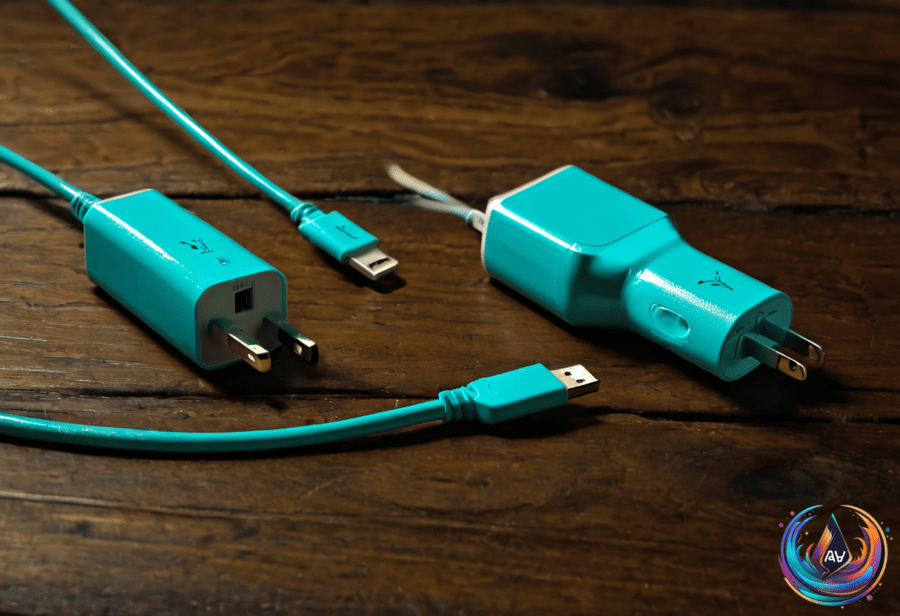
Meanwhile, smaller iPhones like the iPhone Air stick to 20W charging. Apple no longer includes chargers in the box, so you must buy your own. A quality third-party 40W USB-C PD charger can get close to the iPhone 17’s max speed.
Android brands like Xiaomi and OnePlus push charging speeds beyond Apple’s limits. Their proprietary systems can deliver 60 to 120 watts. That means phones like the Xiaomi HyperCharge or OnePlus 13 can fully charge in under 40 minutes. Samsung’s Galaxy S26 Ultra charges fully in about 49 minutes.
But ultra-fast charging generates more heat. Android phones often have special thermal management and smart charging to handle this. Apple’s strategy is simpler: cap the wattage to keep batteries cooler and last longer.
It’s safe to use chargers rated higher than your device’s max wattage. Your iPhone or iPad will only draw what it can handle. The best choice is a charger that matches Apple’s recommended wattage. That way, you get the fastest charging without stressing your battery or wallet.
In short, your iPhone or iPad won’t always take the fastest charge possible. Apple balances speed and battery health. The iPhone 17 Pro is one of the fastest Apple devices yet, but it still charges slower than some Android phones. This trade-off helps your device last longer.
Based on
- What’s the fastest charging speed your iPad or iPhone port can handle? — engadget.com
- Why iPhone Charges Slow Compared to Android: The Real Reason — digitbin.com
- iPhone 17 Pro: The FASTEST Charging Phone EVER Tested! (33 Phones Compared) (2026) — buckna.org
- Best Charger for iPad 5th Generation: Top Picks & Guide | Salestaxcel — salestaxcel.com
- What Wattage Is Fast Charging For Smartphones — meetboy.info