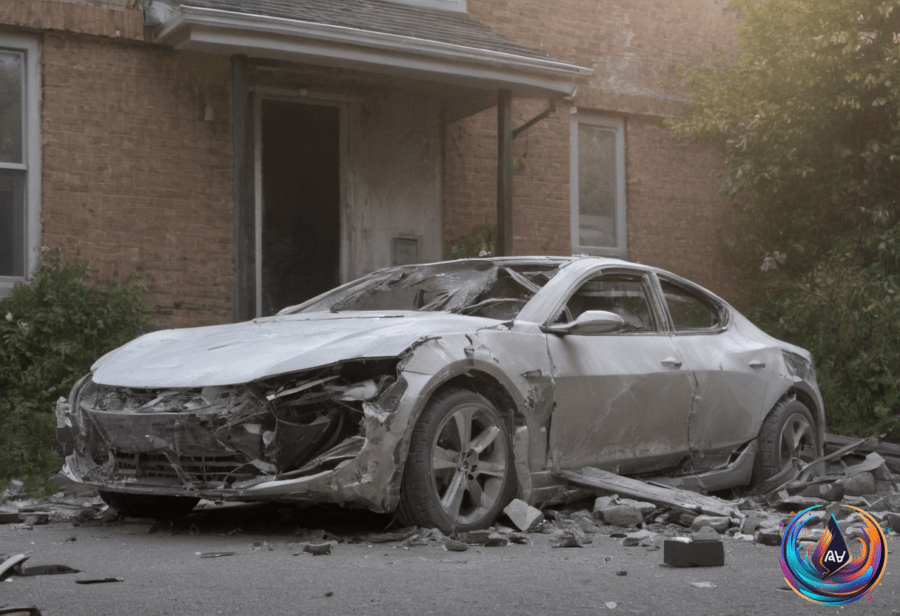
A Tesla Model 3 slammed into a Texas home last month, killing an elderly woman. The crash has sparked fierce questions about Tesla’s Full Self-Driving system and driver responsibility. This isn’t just another accident. It’s a legal and ethical lightning rod.
Crash Details That Shocked Katy, Texas
On June 19, 2026, Michael Butler, 44, was behind the wheel of a 2025 Tesla Model 3. He was working DoorDash deliveries and claimed to be using Tesla’s Full Self-Driving (Supervised) feature. But things took a deadly turn.
Instead of letting the system handle the drive, Butler stepped on the accelerator and overrode the self-driving mode. Tesla executives confirmed this. Ashok Elluswamy, Tesla’s vice president of AI, revealed on X that Butler pressed the accelerator “all the way to 100 percent.” The car reached 73 mph during the crash.
That speed crashed the Tesla into the home of Martha Avila, an elderly woman who sadly died from the impact. Her family has since filed a wrongful death lawsuit. They are accusing Tesla of defective design and Butler of negligence.
Manslaughter Charges and Ongoing Investigations
Michael Butler now faces manslaughter charges. He is held in the Harris County jail on a $150,000 bond. The Harris County Sheriff’s Office is investigating the incident along with the National Highway Traffic Safety Administration (NHTSA).
NHTSA has launched a special investigation into Tesla’s Full Self-Driving technology. This crash highlights the growing scrutiny over autonomous features in consumer vehicles. Can these systems be trusted? Are drivers truly in control?
Tesla’s executives publicly disputed Butler’s claim that the car was in full self-driving mode at the time. They argued he deliberately pressed and held the accelerator pedal, overriding the system even after the collision began. This dispute raises tough questions about driver behavior and technology limits.
What This Means for Tesla and Autonomous Driving
- Legal battles are intensifying as families seek accountability from both drivers and automakers.
- Regulators like NHTSA are stepping up investigations into autonomous driving software safety.
- Tesla faces mounting pressure to prove its Full Self-Driving systems are reliable and safe.
- Public trust in autonomous vehicles hangs in the balance amid accidents and conflicting accounts.
This tragic event forces us to rethink how much control drivers have when using advanced driving aids. Tesla’s Full Self-Driving promise is powerful, but this case exposes vulnerabilities in real-world scenarios.
As investigations continue, the future of autonomous driving will likely be shaped by this and similar incidents. Will laws tighten? Will Tesla improve its safety features? Will drivers become more cautious or more reliant on automation? The answers will define the next chapter of self-driving technology.
One thing is clear: the intersection of human decisions and AI control on the road is a high-stakes battleground. And the world is watching.
Based on
- Tesla driver charged with manslaughter for Texas crash that killed a woman in her home — engadget.com
- Driver charged after Tesla crashes into home, killing 76yo grandma | news.com.au — Australia’s leading news site for latest headlines — news.com.au
- Tesla Driver Charged After Fatal Crash in Texas — headlinesbriefing.com
- Texas Tesla Crash: Manslaughter Charges & Self-Driving Debate Explained (2026) — cqxtz.com
- Texas man charged with manslaughter after Tesla crashes into home (TSLA:NASDAQ) – Occasional Digest — occasionaldigest.com