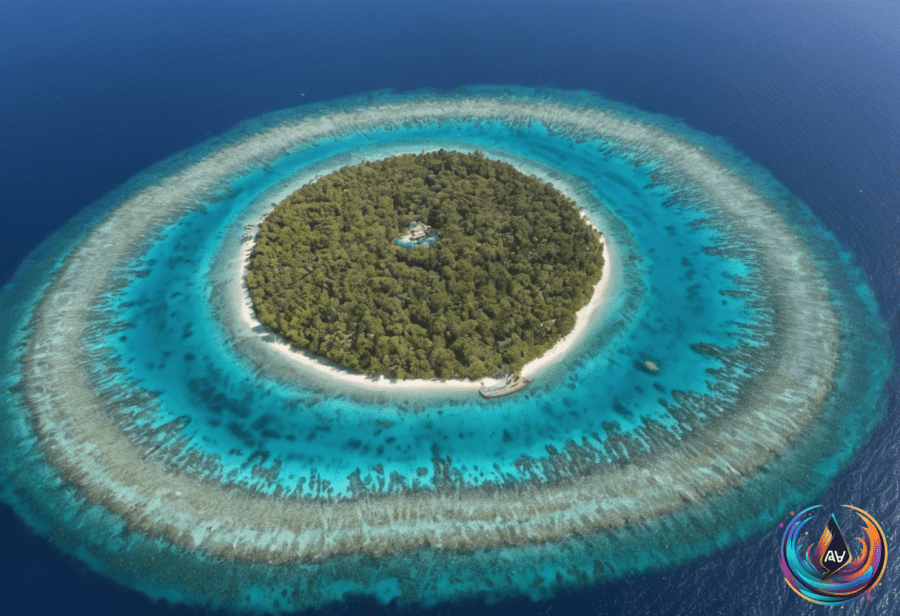
The Maldives shines as a tropical paradise. But beneath the waves, trouble brews. This island nation depends on tourism like no other. It fuels most of its economy. Yet rising seas and mounting debt threaten everything. What’s next for this Indian Ocean jewel?
Tourism: The Lifeblood and Its Risks
Tourism drives the Maldives’ GDP. It brings visitors from around the world to its stunning atolls. But that reliance comes with risks. Visitor numbers fluctuate. The government knows this and tries to diversify into fisheries and technology. Still, tourism remains the top economic engine.
The country is exploring sustainable tourism models. The goal? Protect fragile ecosystems while keeping the cash flowing. Coastal protection and renewable energy projects are underway. These measures aim to slow environmental damage and secure the future.
Rising Seas and Environmental Challenges
The Maldives faces a dire environmental challenge. Rising sea levels threaten its low-lying islands. Experts warn that sea-level rise could accelerate in the coming decades. This puts the very land—and livelihoods—at risk.
As of mid-2026, environmental degradation continues. The government prioritizes climate adaptation strategies. International aid and partnerships are key to these efforts. Coastal defenses and renewable energy are part of the plan to fight back.
Debt and Economic Pressures
The Maldives is drowning in debt. Total public and publicly guaranteed debt hit an estimated 129.7 percent of GDP in 2025. Projections show debt exceeding 140 percent in the next two years. That’s a heavy burden for any small nation.
In April 2026, the government settled a USD 500 million sovereign Sukuk and a USD 400 million currency swap repayment. But external debt service needs for 2026 remain around USD 600 million.
Banks and financial corporations hold large exposures to sovereign and state-owned enterprise debt. At the end of 2025, banks had 40 percent of their total assets tied up in this debt. Other financial corporations’ exposure was even higher at 66 percent.
Poverty and Inflation Strain the Population
Poverty still haunts the Maldives. In 2019, the poverty rate was 11.2 percent. Nearly half the population—48.9 percent—remained at risk of falling into poverty. Those living in the atolls suffer the most, with over 90 percent of the poor residing there.
Inflation pressures worsen the situation. Consumer price inflation rose to 4.0 percent in 2025. Inflation in the atolls averaged 4.9 percent, higher than the 3.5 percent in Malé. Food prices climbed 5.1 percent, and fish prices surged 7.6 percent. Tobacco inflation skyrocketed to 80.6 percent.
A 10 percent rise in food prices would push the poverty rate up by 1.6 percentage points. Vulnerability to poverty would also increase by 2.1 points. Price shocks linked to the Middle East conflict raised the poverty rate by 0.5 points and vulnerability by 1.5 points.
Geopolitics and Digital Shifts
The Maldives sits in a strategic spot in the Indian Ocean. India and China both focus on the islands. The government is active in diplomatic talks and infrastructure investments to maintain regional stability.
Chinese influence is visible in everyday life. The Chinese shopping app Temu has become popular in the Maldives. It offers convenient mobile payments, a major attraction for Chinese tourists.
Experts studying tourism patterns in nearby Malaysia note that digital infrastructure now shapes travel choices. “The convenience of mobile payments has become a key factor in attracting Chinese travelers,” says economist Dr. Lim Hui Lin.
Governments are adapting tourism policies to cater to this digital demand. Malaysia’s Deputy Tourism Minister highlights a new emphasis on digital tools to attract Chinese visitors. Yet there’s caution too. Tourism analysts warn, “Over-reliance on a single market makes the sector vulnerable.”
Officials aim to balance digital innovation with resilience. “The goal is to create a balanced approach that leverages digital tools without compromising resilience,” states a tourism board director.
Looking Ahead
The Maldives faces a tough future. Its economy depends on tourism, but that sector faces environmental, economic, and geopolitical threats. Rising seas could reshape the islands. Debt pressures strain public finances. Inflation and poverty hit the most vulnerable.
Yet the government is fighting back. It invests in climate adaptation, renewable energy, and sustainable tourism. It engages diplomatically to stabilize the region. It embraces digital shifts to capture new markets.
The next decade will test the Maldives’ resilience. Will it transform from a fragile paradise into a model of sustainable island living? The world is watching—and the stakes have never been higher.
Based on
- I went to the Maldives. Everyone wanted to talk about Temu — restofworld.org
- Rising Food Prices Expose Fragility in Maldivian Household Welfare | Corporate Maldives — corporatemaldives.com
- Malaysia’s Tourism Boom Lives and Dies on a Chinese App – Archynewsy — archynewsy.com
- The Maldives in 2026: Navigating Climate Vulnerability and Geopolitical Pressures – Fast Sentinel 360 — hugkmr.rddrnpnyytcax.net
- World Bank Warns Maldives Debt Could Exceed 140% of GDP Without Reform | Corporate Maldives — corporatemaldives.com