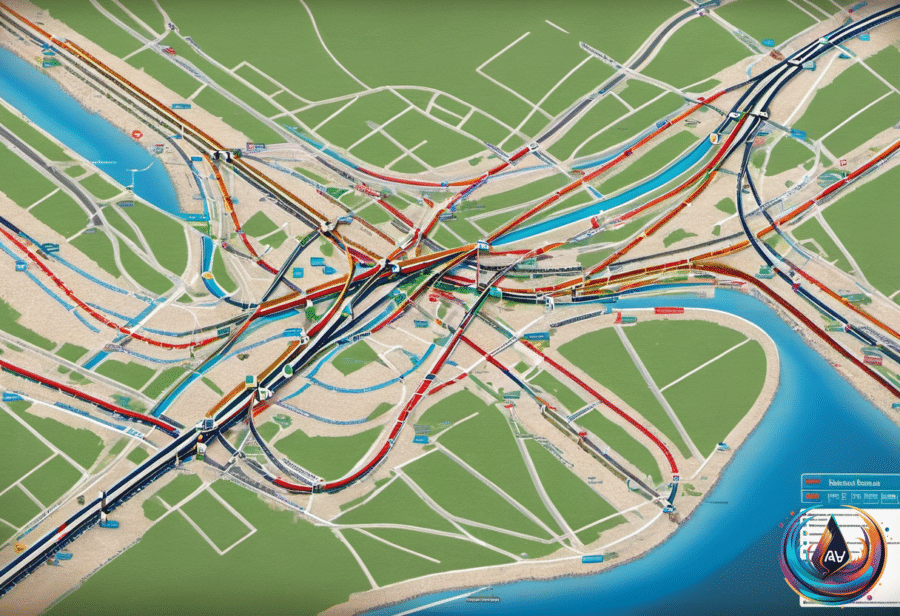
MapQuest finally added public transit directions. The feature arrived on September 24, 2026, after the map service resisted similar additions for years. It is available now in the iOS and Android app, with web access coming soon.
MapQuest supports transit directions across almost 2,000 cities in 70 countries. The feature includes door-to-door trip planning, multiple route options, station entrance and access-point details, and real-time departure and delay information for more than 350 cities.
That is a substantial rollout, even if the calendar makes it look like MapQuest just discovered buses. The company’s users, particularly those in major cities, wanted transit directions first, and MapQuest acknowledged the gap directly: “Many of the returning or new users, particularly those in major cities, wanted to make MapQuest their go-to navigation app, but they needed transit directions first.”
MapQuest’s Long Route Back
Many users rediscovered MapQuest after it refused to follow Google Maps and Apple Maps in renaming Lake Ontario. President Donald Trump issued an executive order related to Lake Ontario, and MapQuest’s decision helped bring returning and new users back to the service.
That renewed attention exposed a basic problem. People might return to MapQuest for one reason, but major-city users still needed a navigation app that could handle public transit. MapQuest now has that feature, although its timing makes the update feel less like a bold leap than overdue maintenance.
The company is working on more updates, including expanded coverage and live navigation. It has also been racing to add features such as Android Auto support, suggesting a broader attempt to close gaps between MapQuest and the services users already rely on.
Waymo Turns Transit Into Ride Credit
On the same date, September 24, 2026, Waymo introduced a transit rewards program that connects autonomous trips with public transit. The program will start in Northern California and expand to other cities, with Waymo employees receiving access first.
Customers must link a Visa card to the Waymo app to earn ride credit. They must then use that card to take an autonomous trip and use public transit within two hours of each other.
Each connected public-transit trip earns riders $2.85 in Waymo Cash. That amount matches the transit fare in San Francisco, turning the reward into a direct offset for a connected trip rather than a vague promise of future savings.
The two announcements point in the same direction: transportation apps are treating travel as a chain of connected choices instead of a single route. MapQuest is adding public transit to its map service, while Waymo is using rewards to link autonomous vehicles with public transit.
Neither idea is new in isolation. MapQuest’s arrival is late, and Waymo’s program begins with employees in one region. Still, the details matter—one service is filling a long-standing navigation gap, while the other is trying to make transfers between different forms of transportation worth the extra planning.
Based on