The nuclear power field is exploding with breakthroughs right now. Four U.S. nuclear reactors just hit criticality, marking a huge milestone. This wave of success is part of a bigger push to launch new, smaller, and smarter reactors. But the excitement doesn’t stop at Earth’s surface — the first-ever commercial nuclear-powered satellite just rocketed into space!
Four Reactors Reach Criticality in the U.S.
June 2026 was a landmark month. Antares Nuclear’s Mark-0 test reactor achieved criticality, starting a chain reaction for the first time. Soon after, reactors from Valar Atomics, Deployable Energy, and Aalo Atomics followed suit. Aalo Atomics even reached criticality in the early hours of July 4, making the holiday extra memorable for nuclear fans.
The U.S. Department of Energy (DOE) has selected 11 projects for its Reactor Pilot Program. These four reactors are part of that lineup. The DOE expects three more reactors to hit their criticality deadlines soon. Jacob DeWitte, CEO of Oklo, anticipates five or six test reactors will achieve criticality by the end of July. This surge shows the nuclear startup ecosystem is firing on all cylinders.
Argentina’s Bold Nuclear Ambitions
On July 7, 2026, Argentina announced big plans to build a new nuclear reactor at its Atucha nuclear complex. This isn’t just any reactor. It will be a Generation III+ small modular reactor (SMR) with a capacity of about 300 megawatts. The project is led by Meitner Energy, a U.S.-based company, and involves a proposed investment of $1.2 billion.
Construction is expected to take five years after approval and licensing. Argentina’s Economy Minister, Luis Caputo, and Secretary of Nuclear Affairs Federico Ramos Napoli are driving this initiative. This move puts Argentina on the map as a serious player in advanced nuclear technology. The SMR design promises to be safer, more flexible, and quicker to build than traditional reactors.
BOHR: The World’s First Commercial Nuclear-Powered Satellite
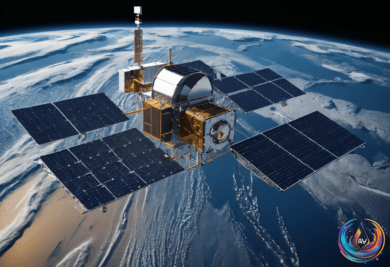
Meanwhile, nuclear power is breaking into space tech. Miami-based City Labs launched its BOHR satellite on a SpaceX Falcon 9 rocket. This little powerhouse is the world’s first commercial nuclear-powered satellite and the first nuclear CubeSat ever launched.
BOHR uses a nuclear betavoltaic battery powered by tritium decay. This battery generates electricity by capturing energy from low-energy beta particles emitted by tritium. The radiation is weak and safe: it cannot penetrate skin and travels only a short distance in air, according to the Nuclear Regulatory Commission.
BOHR rides on a 1U CubeSat platform, about the size of a softball, orbiting Earth between 350 and 400 miles above the surface. City Labs CEO Peter Cabauy called the launch “a historic step for commercial nuclear power in space.” He added, “BOHR demonstrates that safe, compact, and regulatory-approved nuclear power systems are ready for routine commercial deployment.”
What’s Next for Nuclear Power?
The energy sector is witnessing a renaissance. Smaller reactors are reaching criticality faster. Countries beyond the U.S. are investing billions in next-gen nuclear tech. And space is becoming a new frontier for nuclear innovation. This convergence hints at a future where nuclear energy powers everything from cities to satellites.
Will we soon see fleets of nuclear-powered satellites orbiting Earth? Can new SMRs reshape how nations generate electricity? One thing is clear: nuclear technology is moving forward with unstoppable momentum. The next few years will reveal how these breakthroughs reshape energy and space exploration worldwide.
Based on
- Four nuclear reactors hit a big milestone in the US — technologyreview.com
- Three reactors expect to meet “criticality” deadline for DOE program — axios.com
- U.S. company plans $1.2 billion Argentina nuclear reactor – UPI.com — upi.com
- Miami-based City Labs achieves a first for commercial nuclear power in space – Ars Technica — arstechnica.com