Nvidia’s latest AI ambition has hit a hard stop. The Kyber AI rack, designed to house 144 GPUs in a single server cabinet, will not arrive until 2028—pushed back from 2027.
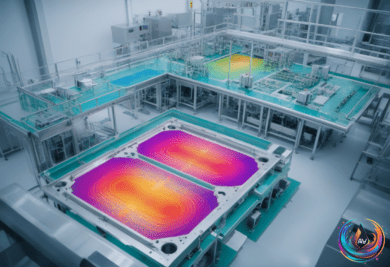
The culprit is a complex multi-layer circuit board known as the PCB midplane. Manufacturing this board has proven more difficult than expected. This challenge leaves Nvidia without a reliable path to scale its most powerful AI systems.
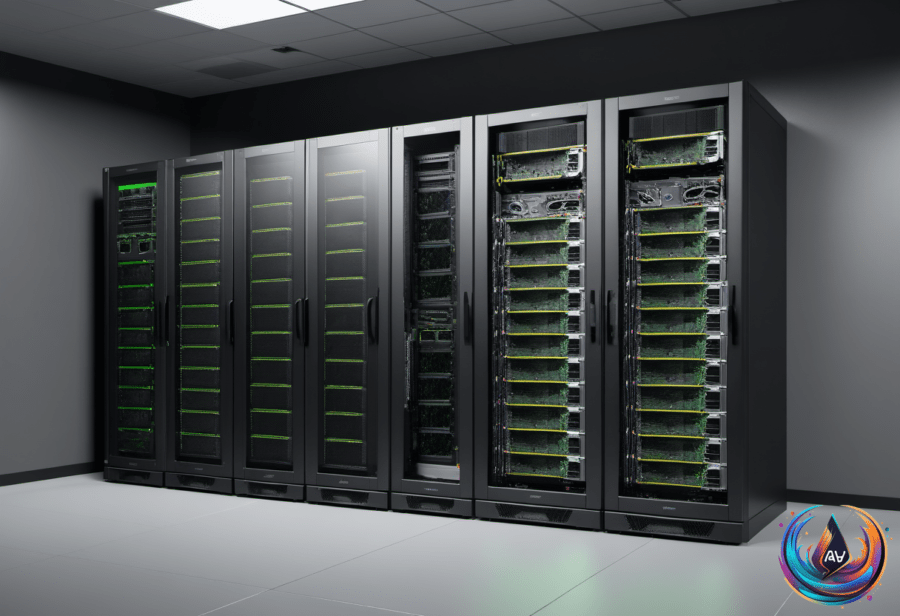
Kyber isn’t a chip. It’s a server cabinet that makes 144 Nvidia GPUs act as one giant computer. This design aims to supercharge AI workloads. But with the PCB midplane stalling production, Nvidia’s plans to expand its Rubin Ultra systems have stalled, too.
Nvidia considered bolting two current-generation racks together to bridge the gap. Customers pushed back hard, and that backup plan was scrapped. Now, the company has no proven solution to scale its top-tier AI hardware.
The current Rubin systems are still in full production. They start shipping this autumn to eight major cloud partners, including AWS, Microsoft Azure, and Google Cloud. These systems will keep Nvidia’s AI infrastructure ticking for now.
Meanwhile, competitors like AMD and Google are winning contracts from leading AI labs. With Nvidia’s scaling plans delayed, rivals have a clear opening to chip away at its dominance.
Investors reacted harshly. Asian tech and circuit-board stocks dropped after news of the delay broke. Despite this, some analysts argue the sell-off was overblown, cautioning against panic over supposed “overcapacity.”
Research firm SemiAnalysis calls the PCB midplane “challenging from a manufacturability standpoint.” They warn Nvidia has “no proven solution” to scale Rubin Ultra systems and expect the company’s capital expenditure in 2027 to be “shockingly high.”
Still, SemiAnalysis predicts Nvidia’s data-center compute revenue will surpass Wall Street’s forecasts by 20 percent in the second half of its 2027 financial year. So, the company’s near-term business looks solid despite the hardware hiccup.
But the bigger picture is clear. Nvidia’s yearly release cadence now collides with the manufacturing limits of its suppliers. The PCB midplane delay exposes a bottleneck that could slow its AI hardware ambitions for years.
For a company that built its reputation on GPU dominance, this kind of hardware delay is a rare crack. And in AI’s fast-moving race, time is everything.
Based on
- Nvidia’s Kyber AI rack slips to 2028, and one circuit board is to blame — thenextweb.com
- Nvidia Will Backstop Customers’ GPUs, Take a Cut of Their Cloud Revenues — The Information — theinformation.com
- Nvidia and the Neocloud Gold Rush — The Information — theinformation.com
- Why GPU Server Prices Are Unpredictable — The Information — theinformation.com
- AI computing stock panic over Meta cloud rumour ‘erroneous’, analysts say | South China Morning Post — scmp.com