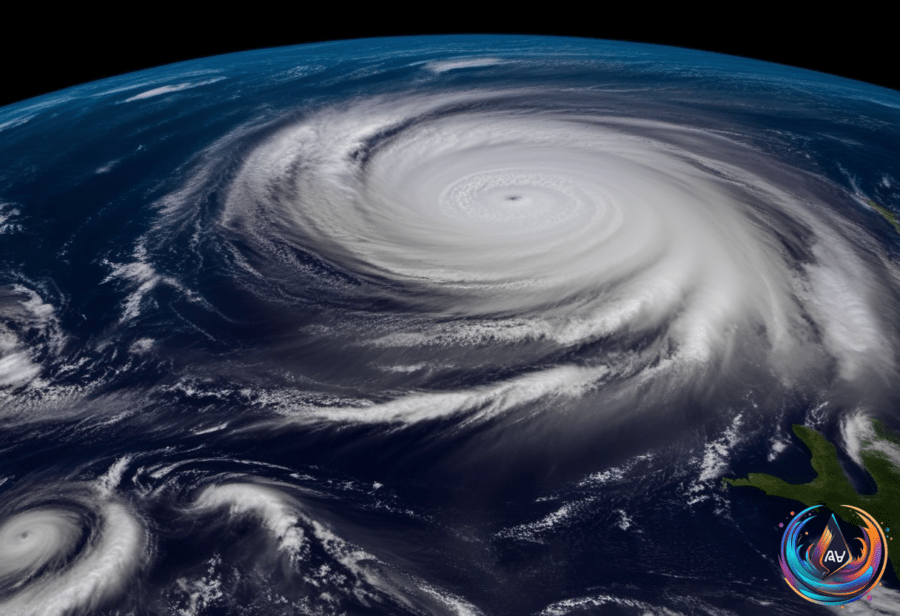
This year’s Atlantic hurricane season is expected to be quieter than usual. Forecasters predict fewer storms and hurricanes. The National Oceanic and Atmospheric Administration (NOAA) expects 8 to 14 named storms. Out of those, 3 to 6 could become hurricanes, with 1 to 3 reaching major hurricane strength. That’s below the average of 14 named storms and seven hurricanes.
The main reason for this calmer outlook is the expected development of El Niño. This natural climate pattern brings warmer waters to the central and eastern Pacific Ocean. El Niño changes weather across the globe. In the Atlantic, it tends to boost wind shear, which tears apart storms before they can grow strong.
But fewer storms don’t mean less risk. Even one powerful hurricane can cause huge damage. Last year, Hurricane Melissa didn’t hit the U.S., but it devastated Jamaica as a Category 5 storm. It killed 95 people and caused nearly $9 billion in damage. Experts warn that people should still prepare for the worst.
Why El Niño Matters for Hurricanes
El Niño creates stronger winds high up in the atmosphere over the Atlantic. These winds tear storms apart as they try to form. Less wind shear means storms can grow stronger, but El Niño does the opposite. That’s why hurricane activity often drops during El Niño years.
Still, ocean temperatures in the Atlantic are expected to be warmer than normal. Warm water fuels hurricanes and helps them intensify quickly. So, if a storm finds a spot where wind shear is low and water is warm, it can become very strong fast. Climate change is making ocean temperatures rise, which adds to this risk.
Meteorologists also point to the Gulf of Mexico, where El Niño may raise water temperatures. This can feed strong storms if they develop there. Forecasters say it’s hard to predict exactly when or where storms will strike, so everyone on the coast should stay ready.
What This Means for Coastal Communities
NOAA’s forecast gives a 55% chance of a below-normal season, 35% chance of a near-normal season, and 10% chance of an above-normal season. Colorado State University’s hurricane team agrees, predicting 13 named storms, six hurricanes, and two major hurricanes.
They also estimate a 32% chance a hurricane will hit somewhere along the U.S. coastline. The chance for landfall is 15% on the East Coast and 20% on the Gulf Coast. Even with fewer storms, these odds remain high enough to demand attention.
Storm surge remains the deadliest part of hurricanes. Water pushed inland by strong winds floods low-lying areas and causes most hurricane deaths. Many coastal communities sit less than 10 feet above sea level. So flooding can happen even if the winds aren’t extreme. Evacuation orders focus on flood risk, not just wind speed.
After a storm passes, dangers don’t end. Power outages, carbon monoxide poisoning from generators, and accidents during cleanup cause many injuries and deaths. Officials remind everyone to stay careful and follow safety advice long after the storm ends.
This season also brings new tools to help forecasters and communities. NOAA is using drones and advanced computer models to improve storm tracking. These technologies help predict hurricane paths and intensities more accurately. Improved flood maps will assist emergency managers in planning evacuations and rescues.
So, even if the season looks quieter, this is no time to be careless. Preparing now means you can respond faster if a storm threatens. Update your emergency kit, know your evacuation routes, and keep an eye on official weather updates. It only takes one hurricane to make a season dangerous.
Based on
- Forecasters predict below-average hurricane season, advise against complacency — arstechnica.com
- Forecasters Predict Below-Average Hurricane Season, Advise Against Complacency – Inside Climate News — insideclimatenews.org
- NOAA Forecasts Below-Normal 2026 Atlantic Hurricane Season: El Niño — sandiegonewsonline.com
- NOAA Predicts Below-Normal 2026 Atlantic Hurricane Season | Ocean News & Technology — oceannews.com
- Atlantic hurricane season forecast to be milder than normal thanks to El Nino — canadianunderwriter.ca
- NOAA Predicts Below-Normal 2026 Atlantic Hurricane Season With Storm Surge Risk – Archysport — archysport.com