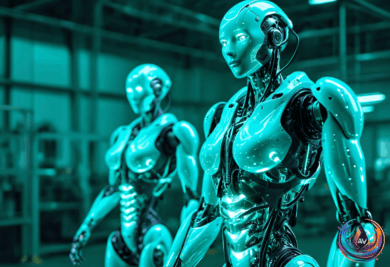
Robots are running faster than humans, but they’re still far from taking over daily life. At Beijing’s half marathon, a robot called Lightning shattered the human record by nearly seven minutes. Impressive? Yes. Game-changing? Not yet.
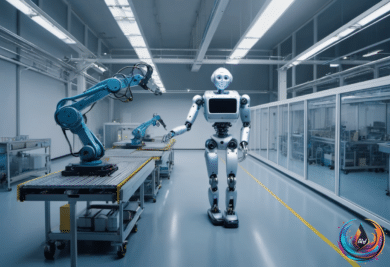
China is pouring over £100 billion into robotics over the next two decades. The government’s betting big that robots will soon join the workforce beyond factories. But current robots lack the dexterity and adaptability that humans take for granted. Cleaning homes and weeding gardens? Still science fiction.
Researchers focus on robots with human-like dexterity. They study how machines can handle delicate tasks requiring precision and flexibility. Progress is steady but slow. The leap from a robot beating a race to a robot doing your chores is massive.
Meanwhile, AI models are raising alarms of a different kind. Anthropic’s Mythos Preview AI is so powerful it won’t be released publicly. It can exploit software vulnerabilities, posing risks to economies and security. But experts question whether Mythos is truly a threat or smart PR designed to trigger regulation.
The industry is caught between innovation and caution. Anthropic’s move highlights growing calls for tighter AI oversight. The fear is not just about AI running amok but about how powerful tools get managed, controlled, and deployed.
Language AI is arguably the hottest front. AI systems that understand and generate human language shape how we communicate with machines. They write news articles, chat with customers, and even create music. Their text can sound human, making it harder to tell who—or what—is behind the words.
This raises new questions about authorship and copyright. Who owns AI-generated text? How do we ensure accountability when machines create content? These debates will intensify as AI-generated language floods media and marketing.
More than just mimicking text, AI uncovers hidden patterns in language data. It reveals cultural biases, dialects, and usage trends. This unlocks insights for linguistics, psychology, and marketing. But AI depends on good data. Garbage in, garbage out still applies.
Spotify’s recent endorsement of AI-generated music shows that even art is caught in the AI wave. The company defends AI music as better than “slop,” signaling a shift toward machine-made creativity. Not everyone will agree, but the trend is unmistakable.
Amid all this, ChatGPT’s reliability faces scrutiny. Users report outages and instability, stirring concerns about the platform’s future. The AI landscape is evolving fast, but infrastructure struggles remind us that even the most advanced systems are fragile.
Robots racing world records and AI models hiding in shadows don’t mean the machines have won. The hype cycle is powerful, but practical limits remain. Precision robotics, responsible AI use, and clear regulation are urgent. Otherwise, the ChatGPT moment could become just another tech bubble waiting to burst.
Based on
- Are robots nearing their ChatGPT moment? – podcast — theguardian.com
- Mythos: are fears over new AI model panic or PR? – podcast | The Guardian Mirror — thefappeningnewz.pages.dev
- The surprising value of boring chats, ‘super El Niño’ and Alzheimer’s evidence reviewed – podcast | The Guardian Mirror — thefappeningnewz.pages.dev
- Unlocking the Secrets of Human Language with AI Explained: BBC 6 Minute English – GrandCare — web.grandcare.com
- My Press – United Kingdom – The Guardian – Spotify boss defends move to AI music, saying it is better than ‘slop’ — mypresstoday.com
- Current Uncertainty Surrounds ChatGPT Service and Popular Media Developments in 2026 – CoreUpdate — tb12367.com