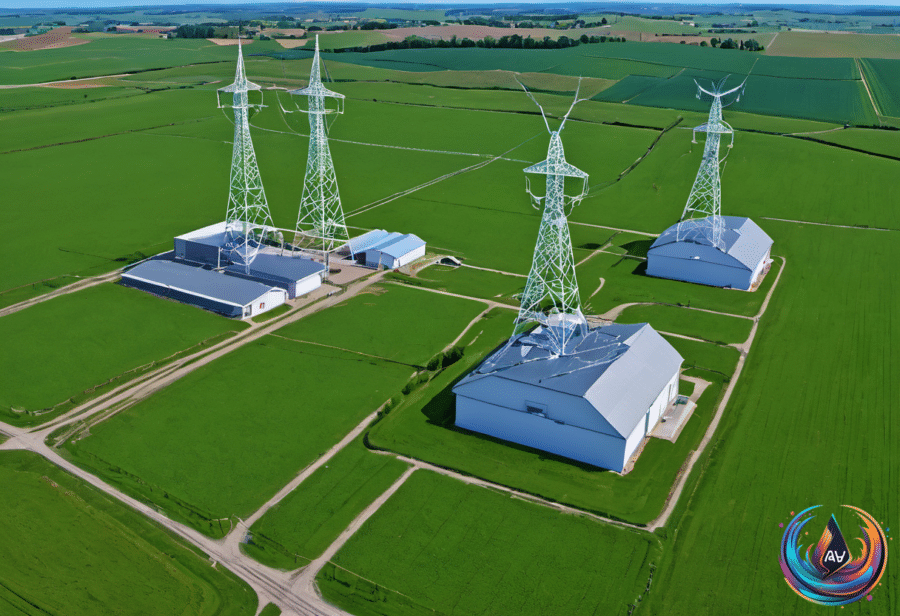
A major tax shift could send a new wave of data center construction into rural America. Under the One Big Beautiful Bill Act, projects built on rural land will become eligible for specific corporate tax benefits starting January 1, creating a powerful new incentive for hyperscale facilities and other capital-intensive developments.
The opportunity arrives as communities weigh a difficult question: how much economic value can a data center deliver when its biggest costs may reach local power systems, water supplies, and household budgets? More than 100 data centers in various stages of development could qualify, turning rural land into a major frontier for the next phase of digital infrastructure.
A Tax Break Designed to Pull Projects Rural
The new rules could lower the barriers facing large-scale data center projects across the country. Ways and Means Committee chair Jason Smith said, “The economic case for building data centers in designated rural opportunity zones becomes far more compelling.”
Searchlight Institute tax policy analyst Emily Kraschel said the current requirement focuses on capital investment rather than the number or quality of jobs created. “Right now, the only requirement to get the benefits is capital investment,” Kraschel said. “However, that doesn’t guarantee that that money is necessarily creating jobs or creating a local economic boost.”
That distinction matters because data centers demand enormous construction spending but often employ few people after they open. Searchlight built its research from a database of under 700 data center projects, while other datasets place the number of facilities in development across the United States closer to 1,500.
The direction of development is clear. Only 13 percent of operating data centers sit in rural areas, yet around 67 percent of planned facilities are going rural. More than 100 planned or developing projects could qualify for the new tax benefits, including hyperscale sites tied to the biggest technology companies.
Illinois Shows the Promise and the Price
Illinois offers a close look at the rewards and risks. The state already has more than 240 planned or active data centers, and those facilities could supply nearly $300 million in annual property tax revenue once they become operational. Meta paid $31 million in property taxes on its new DeKalb County data center in 2024, while average property taxes in the county rose by about 2 percent that year.
Across Illinois, average property taxes increased by 6 percent in 2024, and the Department of Commerce and Economic Opportunity estimated that data centers received tax breaks worth more than $660 million as of 2025. The size of each facility shapes its effect on local property taxes, with larger sites producing a bigger impact.
Supporters see that revenue as a potential foundation for public services. Robert Bruno said, “Every local community has to have their own voice and their own will expressed in these. But as a possible source of revenue that could achieve a lot of good, it’s sizeable and it is a pretty reliable collective source of revenue for schools.”
Jobs remain a central test. A $57 billion investment in Illinois is expected to create 2,800 permanent positions, meaning developers would spend $20.2 million for each permanent job. The broader figures connected to the development debate also include 121,000 jobs, but the permanent operating workforce at individual data centers remains small compared with the size of the investment.
Kristan Wong Karinen of Good Jobs First warned, “Abating the taxes doesn’t help you at all. It just hurts any kind of gain you could have had from it.” Anthony Elmo added, “These taxpayer dollars need to actually incentivize good long-term jobs and they’re not.”
Power Demand Pushes Regulation Forward
The economic gains come with a major energy question. A mid-level scenario estimates that new data centers would add 6.5 gigawatts of demand to Illinois’ grid by 2035, while electricity demand in ComEd’s territory is forecast to grow by 10.7 GW by 2035.
The pressure reaches beyond Illinois. The MISO grid, which spans 15 states, is expected to see peak demand rise by 35 percent by 2035, driven largely by data center development. Average families in the PJM territory could face electricity price increases of up to $70 per month by 2028, while the Illinois report estimates an average residential energy bill increase of around $12 per month, or $150 per year.
Those numbers have fueled calls for rules that connect tax benefits to public responsibilities. The POWER Act would have required data centers to secure their own renewable energy supply, obtain water-use permits, and disclose information through transparency reports. Illinois lawmakers did not pass the act during the spring legislative session.
Christine Nannicelli of the Sierra Club of Illinois said, “The rubber hits the road when we talk about, are we incentivizing good behavior or are we going to require good behavior?” She added, “We need to really raise the bar for this industry as a whole.”
Frank Manzo of the Illinois Economic Policy Institute said Illinois faces a “trust deficit amongst the public” and proposed steps to support responsible development. One recommendation calls for a statewide ban on nondisclosure agreements with developers, giving communities more information about proposed facilities and public incentives.
Manzo also warned that “A moratorium sends investment to neighboring states,” setting up a choice between attracting projects and demanding stronger protections. Governor JB Pritzker called on lawmakers to act on data center regulations last week after advocates criticized his lack of engagement last spring.
The new rural tax incentives will put that debate on a much larger stage. Rural communities now stand closer to billions of dollars in construction, new tax revenue, and long-term grid demands. The next question is no longer whether data centers will move into rural areas, but whether the public rules will move with them.
Based on