Schools are putting AI on trial.
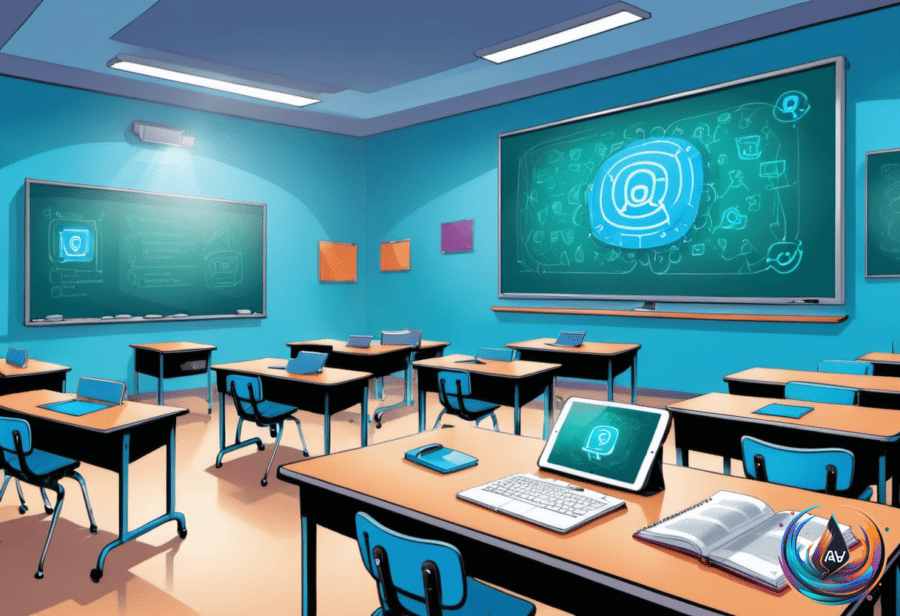
On September 2, 2026, New York City Mayor Zohran Mamdani and New York City Public Schools Chancellor Kamar Samuels announced a one-year moratorium blocking student-facing generative AI for roughly 600,000 students from pre-K through eighth grade. The restriction covers AI tutors and chatbots, while companion chatbots are barred at every grade level.
High schools keep only a narrow opening for a few thousand students in vetted pilot programs. New York City’s ban applies to elementary and middle school students, while Los Angeles plans restrictions extending through high school.
Mamdani framed the policy around the role of adults in education: “Children need teachers and human connection in order to learn and grow.” The American Federation of Teachers has called for banning screen time in the earliest grades, ending student-facing AI in elementary schools, and prohibiting companion chatbots for anyone under 16 years of age.
The case for slowing down
The pushback is not built from nostalgia alone. In a survey of 3,000 teachers, 88% said their students’ attention spans were shrinking, while reading and math scores that climbed for years fell as classroom technology use grew.
At least 17 states are weighing bills to slow technology use during school hours. The school systems in New York City and Los Angeles also plan extensive audits of their education technology contracts and AI tools, focusing on data privacy, transparency, and accountability.
That pressure has produced a blunt question: should schools remove AI before they understand its risks, or keep access while demanding stronger rules? The answer changes depending on the district. Ivan Crewkov, founder of Buddy.ai, a COPPA-certified conversational AI tutor for language learning, warned that blanket bans could cut vulnerable students off from tools they cannot replace.
“In a well-resourced district, a blanket ban is an inconvenience. In an underfunded one, it removes something those children have no alternative for,” Crewkov said. Buddy.ai was created to help fill language learning gaps for children in underfunded districts.
Microsoft offers the rulebook schools wanted
Microsoft has agreed to adopt guardrails and privacy standards for its AI in schools through a deal negotiated with the American Federation of Teachers. The agreement is legally binding, requires third-party audits for compliance, and applies to all schools with Microsoft contracts starting November 1, 2026.
Microsoft will not use student or educator data to train AI systems, except for a narrow category of data that could help protect students. The standards also prohibit AI companions and features designed to foster emotional attachment or dependency — a sensible line to draw before every chatbot starts auditioning for the role of imaginary best friend.
“We want parents to have control of their kids’ education. We want educators to have control of kids’ education, not ed tech. And that’s what this agreement is,” said Randi Weingarten, president of the American Federation of Teachers.
Microsoft vice chair and president Brad Smith called the standards “a high bar for child privacy and AI safety” and said the company would extend the agreement to every school district across the country. He also said technology companies had been late to accept the importance of protecting student data.
“It is our role, even our responsibility, to ensure that AI is provided in a form that teachers and kids and parents can trust,” Smith said. The American Federation of Teachers called the deal the “first of its kind” and an important step toward an industry standard while federal and state legislation remains absent.
Google, OpenAI, and Anthropic face the same test
Google announced in August 2023 that it had turned on its Gemini chatbot for many K-12 students using Google Classroom, a platform used by 150 million teachers and students worldwide. The addition affects only schools that allow student access to the Gemini app or Gemini Notebook, but it marks a major shift from Google’s previous policy, which allowed Gemini to be turned on only for students 18 or older.
Randi Weingarten contacted Google directly about Microsoft’s agreement before making it public, hoping Google would become a signatory. OpenAI and Anthropic are also discussing safety and privacy pacts with the American Federation of Teachers, and both issued public praise for the Microsoft agreement.
OpenAI called it an “important milestone for AI safety and privacy in schools.” Anthropic said it was working with the American Federation of Teachers to shape “a gold standard for safety and privacy,” while also stating, “We applaud all efforts to drive responsible AI use in education.”
That support is useful, but it is not the same as signing on. Josh Golin, executive director of Fairplay, said the standards would only be effective if all AI companies, especially the tech giants, joined them.
Elizabeth Laird said the new standards could help shape conversations between schools and AI providers. For now, those conversations are happening under pressure from bans, audits, teacher concerns, and companies expanding access before the rules have caught up.
Based on
- AI Companies Argue There’s a Hidden Cost of Banning AI and Screens at Schools — unite.ai
- Why Banning AI In Schools May Create A Double Digital Divide — forbes.com
- Microsoft commits to sweeping AI privacy rules for students. Will other tech giants follow? | The Independent — independent.co.uk
- The AI Education Paradox: Preparing Students For An AI Workforce — forbes.com