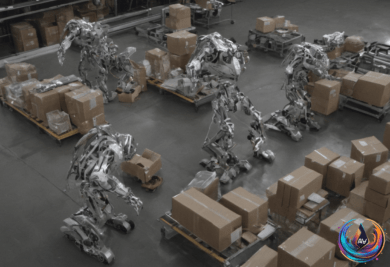
A new theatrical adaptation of Karel Čapek’s classic play RUR: Rossum’s Universal Robots is running at the Schwarzman Centre in Oxford until 18 July. The play has been updated for today by Ella Road in a co-production with Headlong and the Schwarzman Centre.
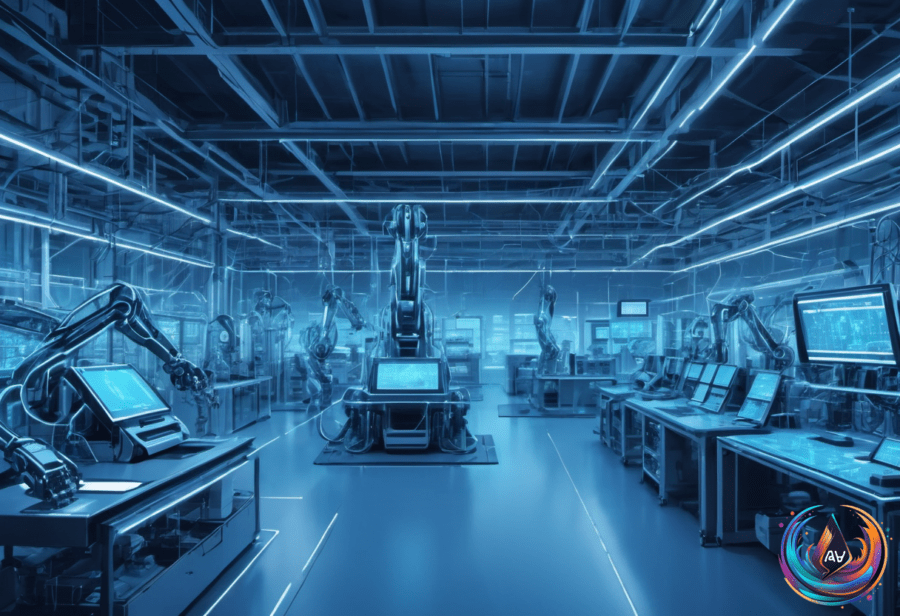
The stage looks like the operations office of the fictional company RUR. This company builds humanoid robots. But these aren’t just machines. They’re made by mixing human flesh and blood with code and data on an isolated island. The setting feels like a high-tech lab and factory all in one.
The company’s boss is Dom, played by Trevor Fox. Dom has a dark, complicated relationship with his robot personal assistant, Sulla, played by Tiffany Gray. Their romance echoes the style of the movie Secretary, with an S&M twist. Their unusual bond raises questions about desire and control between humans and robots.
Into this world arrives Helen, the prime minister’s daughter and an activist. She sneaks onto the island in a guerrilla protest against the company’s work. Helen is described as a “Marxist Trustafarian,” a mix of radical politics and privileged rebellion. The company then creates a replica version of Helen, played by Umi Myers. This copy begins a romance with Ali, played by Irfan Shamji, adding another layer to the story’s exploration of love and identity.
Philosophy and Humor in a Robot World
The play dives deep into big questions. It debates science, reproduction, and what it means to be human. One main theme is whether robots can develop feelings and desires. Helen initially believes robots have souls. But by the end, she seems to change her mind. Meanwhile, the robots themselves start demanding the right to reproduce. This raises tough moral questions about their place in society and the nature of life itself.
The second half of the show picks up speed. It’s packed with sharp, unexpected twists and modern humor. Sulla’s glitches and moments of rebellion bring comic relief. These scenes highlight the robots’ struggle to break free from their programming. The play balances its warning about a robot apocalypse with a cartoonish, almost playful tone.
Design and Research Backing the Production
Loren Elstein’s stage design stands out. The setting feels like a real company headquarters on a remote island. It supports the story’s mix of science fiction and corporate drama. The production draws on research from Oxford University academics, adding depth and realism to the themes.
The actors bring complex characters to life. Dom’s cold authority contrasts with Sulla’s glitchy rebellion. Helen’s activism and evolving beliefs challenge the audience to think about where the line between human and machine lies. Ali’s romance with the replica Helen adds unexpected warmth.
This production is both a cautionary tale and a dark comedy. It explores what happens when machines get too close to us emotionally. It asks if robots can want more than just to serve. The play runs until 18 July, inviting audiences to reflect on the future of AI and humanity.
Based on