The first 2026 winners are here. Engadget announced its first round of best-of-2026 products on Oct. 10, 2026, with categories decided entirely by review scores. The lineup covers tablets, laptops, and wearables, where impressive hardware keeps arriving with familiar compromises attached.
That scoring method gives the recap a clear purpose: it focuses on products that performed well in reviews rather than products chosen for novelty alone. The result is a group of devices that make a case in different ways, from a giant tablet display to a budget laptop configuration and wearables that rethink what a fitness tracker needs to be.
A tablet that makes “large” feel inadequate
Samsung introduced the Galaxy Tab S12 Ultra, a tablet built around a 14-inch display. That screen size puts the device in a category of its own, at least in practical terms, and it also creates the central question around the product: what exactly is a tablet this large meant to replace?
Sam Rutherford, Engadget senior reviews editor, put the problem plainly: “The Samsung Galaxy Tab S12 Ultra can be a difficult device to wrap your head around.” The device is easy to understand as a large-screen tablet; its broader role is harder to define.
Rutherford’s second observation cuts closer to the tradeoff: “Its 14-inch display is absolutely massive and the only thing bigger than its screen is its price.” That is not a small footnote. The Galaxy Tab S12 Ultra’s defining feature also sits beside its defining drawback, because a huge display and a high price arrive as part of the same package.
The tablet’s place among the first winners therefore rests on a familiar technology bargain. Samsung offers scale, but the buyer has to decide whether that scale justifies the cost. Bigger is easy to advertise; making bigger feel necessary remains the harder trick.
Budget laptops and wearables reject the perfect-product fantasy
Dell’s entry-level XPS 13 was reviewed earlier this year with 8GB of RAM, while a midrange specification tested with more than 8GB. That split gives the laptop a clear budget-versus-performance tension, especially when the more capable version makes the limits of the base model easier to see.
Rutherford acknowledged the issue directly: “I will concede that there’s an argument to be made that if a laptop runs so much better with 16GB of RAM, the 8GB model shouldn’t even exist.” The criticism is difficult to miss, but the lower-memory model still serves buyers with tight budgets.
“But for those who are on tight budgets, I appreciate that there is an option, even if it’s far from an ideal solution,” Rutherford said. That is the XPS 13’s most useful lesson: an imperfect configuration can still matter when price limits the alternatives. Technology reviews often chase the best version of a product; buyers do not always have that luxury.
The wearable category adds a different argument. Screenless fitness trackers like the Qalo SL-1 are popular, with companies like Whoop leading the trend, and Qalo’s device takes the form of a silicone ring fitness tracker.
Daniel Cooper, Engadget senior editor, described the SL-1’s position this way: “If the SL-1 was cheaper, I’d have more positive things to say about it, because you could easily see it as a My First Whoop.” The comparison frames the ring as an accessible entry point, but its price keeps that role from becoming an easy recommendation.
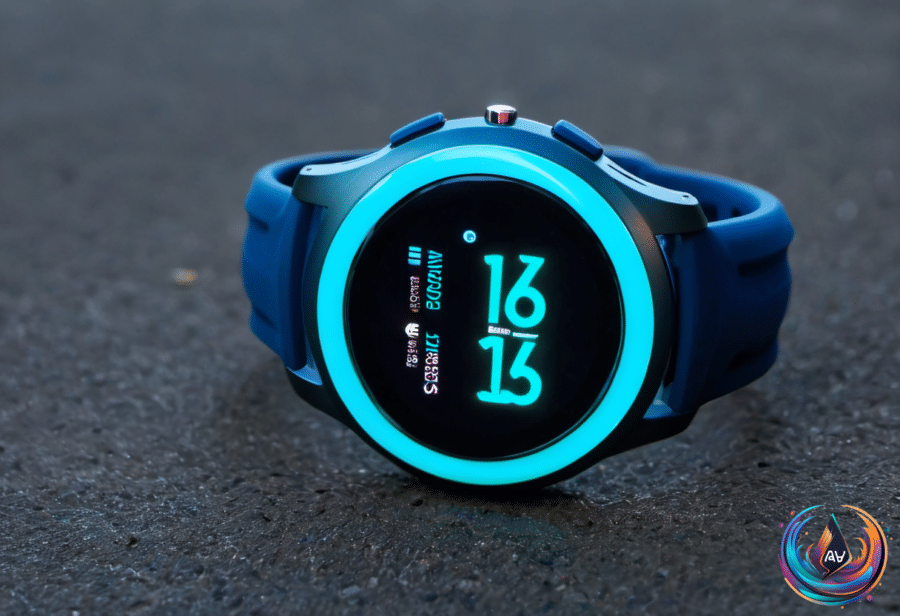
Una’s GPS smartwatch takes the opposite approach by making repair and upgrades part of the design. Users can swap components including the back cover, display, and battery, giving the watch a modular structure rather than treating the whole device as one sealed object.
Cooper summed up the achievement with another useful warning about modern hardware: “Producing a wearable that’s affordable, modular and comically easy to repair is no mean feat these days.” The Una watch stands out because its replaceable parts challenge the usual disposable-wearable formula.
Together, these first winners show what the 2026 recap values: strong review results, but not frictionless products. The Galaxy Tab S12 Ultra brings scale and cost, the XPS 13 brings choice and compromise, and the Qalo SL-1 and Una watch show two competing ideas about wearable design. None of them escapes tradeoffs. That would be suspiciously convenient.