The US government recently raised serious concerns with ASML, the Dutch chip equipment maker. Commerce Secretary Howard Lutnick told ASML executives that one of their most advanced machines might have ended up in China. This is a big deal because ASML’s extreme ultraviolet lithography (EUV) machines are the only tools that can produce the most advanced chips.
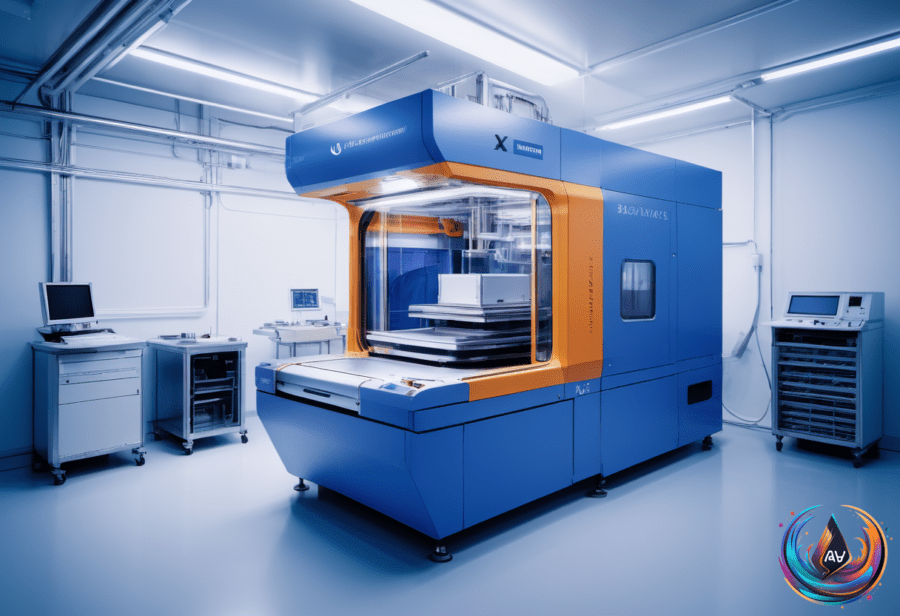
These EUV machines are massive, about the size of a school bus, and very complex. They are vital for manufacturing processors used by companies like Nvidia and Apple. The US has banned ASML from selling these machines to China since the Trump administration. So, if one did reach China, it would break strict export controls.
ASML strongly denies the claim. The company says it has never shipped an EUV machine to China. They track every machine they make. According to ASML, all 314 active EUV systems are accounted for and none are in China. The company even created a document titled “No indication of any ASML EUV System in China” to prove their case.
ASML also explained that their machines need constant upkeep by ASML staff. Customers cannot move or operate these machines without ASML’s involvement. This makes it very hard for a machine to be secretly transported or operated somewhere unauthorized.
Why This Matters Beyond ASML
The stakes are huge. ASML holds a monopoly on EUV technology. This technology took decades and billions of dollars to develop. There is no other supplier in the world. Every cutting-edge chip relies on ASML’s machines. Losing control over this technology could shift the balance in global tech and military power.
If China got an EUV machine, it could dramatically speed up its chip industry. This would help companies like Huawei compete better with US and Taiwanese firms. The US has been trying to keep advanced AI and chip technology out of China’s hands for national security reasons.
ASML still sells older chipmaking tools to China. These are deep ultraviolet (DUV) machines, which are less advanced. The company calls this a protective strategy. It keeps China a generation behind in chip technology, preventing it from catching up too fast. About 20% of ASML’s 2026 revenue is expected from these older tools sold to China.
The Broader US Strategy and Its Challenges
The US government hasn’t shared public proof of an EUV machine in China. Senior officials say they have sensitive evidence about shipments of EUV-related components and transport gear. But they have not shown this evidence to ASML or the public. This leaves the situation in a tense standoff.
The US is also funding startups like xLight, which are working on new light-source technology for chipmaking. This technology could one day challenge ASML’s EUV monopoly. However, ASML doesn’t see these startups as immediate threats. The US government’s push to develop alternatives shows how important they see this technology.
At the same time, a bipartisan bill in the US Congress aims to ban all DUV tool shipments to China. This could wipe out ASML’s current business there. Such a move would put more pressure on ASML’s revenue and its relationship with China.
The tension over ASML reflects a bigger struggle over semiconductor dominance. The US, the Netherlands, and Japan are the main producers of chipmaking equipment. They all try to limit China’s access to this technology. But there are disagreements on how strict the controls should be. For example, the US bans its engineers from maintaining certain gear in China, but the Netherlands and Japan have been slower to act.
There are also complex rules about selling technology to specific Chinese companies on the US entity list. Huawei is heavily restricted. But other companies like Huawei’s partner SwaySure Technology still get some support from ASML. The US could stop this but hasn’t done so yet.
For now, ASML is caught in the middle. It faces pressure from the US government and risks damaging its reputation. The company insists it follows all export rules and wants to keep good relations with all governments. But the uncertainty is a new factor for chipmakers and tech companies relying on ASML’s machines.
This story highlights how chip technology has become a key part of global power struggles. It’s not just about business or innovation anymore. It’s about control, security, and who leads the next wave of technology.
Based on
- The US says ASML’s top chip tool may be in China. ASML says it isn’t — techcrunch.com
- US tells ASML an EUV machine may be in China. ASML says no — AI Chat Daily — aichatdaily.com
- US tells ASML it’s concerned China may have top chip tool — theedgemalaysia.com
- US tells ASML it is concerned China may have top chip tool | The Straits Times — straitstimes.com
- US tells ASML it’s concerned one of its chipmaking tools may be in China, Bloomberg News reports — ground.news