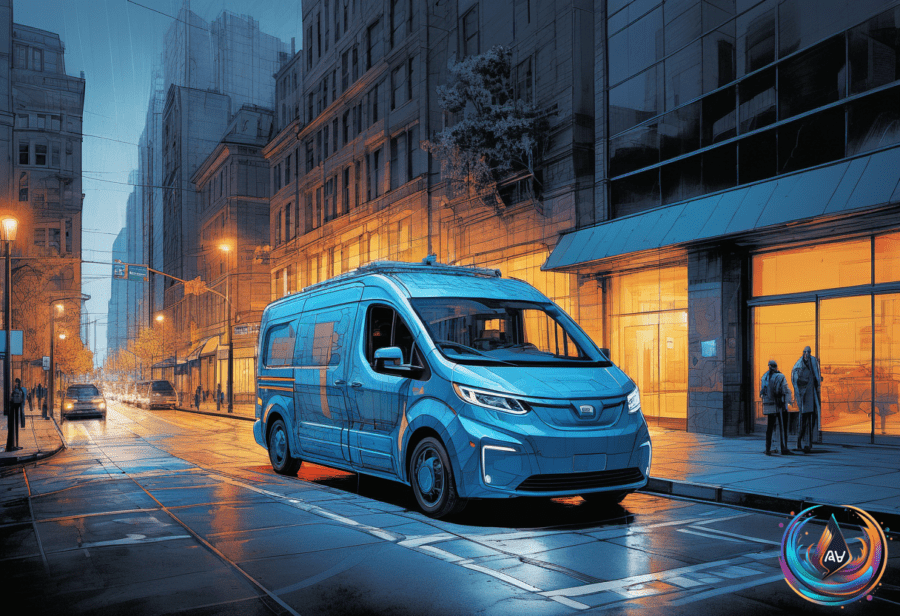
Waymo’s self-driving robotaxis are pushing the boundaries of urban transportation. The company has completed over 20 million fully autonomous trips so far. Its fleet now includes the new Ojai vehicle, designed specifically for ride-hailing. Unlike earlier models adapted from regular cars, the Ojai is a van-style electric vehicle built for passenger comfort and accessibility.
This new robotaxi includes features like level flooring, braille labels, support bars, and charging ports. It can handle snowy conditions and reduces sensor hardware by 42% compared to previous models. Waymo plans to expand the Ojai’s availability in cities like San Francisco, Los Angeles, and Phoenix, with free trial rides for some customers. This push into new markets aims to offer cleaner, safer, and more accessible transportation.
But the road to fully driverless rides isn’t smooth. Waymo’s vehicles have faced their share of real-world challenges. There have been incidents of robotaxis running red lights, driving into flooded or closed roads, and nearly hitting pedestrians. These events raise questions about how well autonomous systems handle unpredictable urban environments.
Waymo’s cars rely on sensors and algorithms, which work well in controlled conditions. However, they sometimes hesitate or brake suddenly when faced with uncertain situations. Unlike human drivers, these systems lack intuition and social awareness. This can cause traffic jams or near misses. While Waymo claims their technology reduces serious injury crashes by 13 times compared to humans, the margin for error remains tight.
Safety Challenges in Expanding Urban Fleets
As Waymo adds more cities, the complexity grows. Every city has unique traffic patterns, road layouts, and local driving habits. What works in one place may not work in another. These “edge cases” challenge the AI’s ability to predict and react correctly.
For example, in Phoenix, a Waymo vehicle once drove onto light rail tracks with a passenger inside. The passenger escaped safely, but the incident highlighted the system’s limits. There have been reports of robotaxis cutting rides short due to unexpected events like protests. In one case, a passenger was asked to switch to Uber or Lyft after the ride stopped abruptly, making the experience inconvenient.
Waymo also issued a recall of nearly 4,000 vehicles after discovering a glitch that might cause them to drive into flooded streets. This shows how quickly small software issues can create real safety risks. Regulators and the public remain concerned about whether driverless cars are ready for complex, unpredictable urban roads.
Balancing Innovation with Public Trust
Waymo’s rapid growth reflects its confidence in autonomous technology. The company operates in 11 cities across over 1,400 square miles and completes about half a million rides every week. Its new Ojai vehicle aims to lower costs and improve reliability, including in snowy and colder conditions. This could open the door to more widespread adoption.
Still, public trust depends on how well these vehicles handle the unexpected. Driverless cars don’t have human intuition or emotional judgment. They rely on sensor fusion and mapping, which can degrade in cluttered, noisy environments. Intersections remain particularly difficult. Sudden stops may prevent crashes but cause other hazards like rear-end collisions.
The autonomous vehicle industry faces pressure to expand fast. Competition drives companies to deploy before all risks are fully solved. Some experts warn that public roads shouldn’t serve as testing grounds for new tech. Every close call is a learning opportunity but also a public safety concern.
Waymo says it uses data from incidents to improve its fleet continuously. Human operators can assist robotaxis remotely during tricky moments. But the system still decides final moves. This balance between AI control and human oversight will shape the future of driverless rides.
In the end, Waymo’s journey shows both the promise and the challenges of driverless technology. It’s a bold experiment in reshaping urban mobility. But real-world chaos tests how far AI can replace human judgment. For now, the driverless future is unfolding with cautious steps, unexpected detours, and lessons learned along the way.
Based on
- Police have yet to catch a thief who used a Waymo to steal yoga clothes — engadget.com
- Driverless Dilemma: Inside CNN’s Investigation Into Waymo’s Close Calls and the Hidden Risks of Autonomous Ride-Hailing Expansion + Video – UNDERCODE NEWS — undercodenews.com
- Waymo expands driverless fleet with new Ojai vehicle designed for accessibility and comfort — autos.yahoo.com
- Review of Waymo robotaxi incidents — youtube.com
- Waymo’s Solution After Cutting A Ride Short? Take Uber Or Lyft: Report — finance.yahoo.com