Animal sounds may hold far more information than humans can hear. Scientists are now using artificial intelligence and other technologies to study those sounds, hoping to understand how different species communicate and what their signals reveal about animal lives.
The goal reaches beyond translating a few calls. Decoding animal communication could show how other species think, what they hope for, and whether their inner lives are more complex than people understand. It could also help humans recognize animals as sentient creatures with their own thoughts, hopes, and dreams.
Teaching machines to recognize animal voices
The Earth Species Project, a nonprofit founded in 2018, is using machine learning to study communication across species. Researchers recently examined vocalizations from carrion crows and trained a system to determine which bird made each call. That step matters because identifying the speaker can help researchers connect a sound with the animal producing it.
Sara Keen, an ESP behavioral ecologist, is part of work focused on animal communication. ESP hopes its NatureLM will interpret vocalizations from a variety of species, creating a system that can examine sounds at a scale people could never manage alone.
Nick Jourjine, a researcher with Basis Research Institute, described the challenge this way: “They are doing it all night long. If we could hear them, it would be like listening to birds during the day.” He added, “Then we train those models to go do that on a scale and quantity of data we could never listen to ourselves.”
Still, artificial intelligence cannot guarantee that a detected pattern carries the meaning researchers assign to it. Yossi Yovel, a neuroecologist at Tel Aviv University, worries that these models may place too much weight on acoustic similarities and make mistakes. A sound that resembles another signal may not serve the same purpose, so matching patterns alone may not explain what an animal is communicating.
Listening for rats around Boston
A group of scientists in the Boston area is applying AI and other technologies to rats. Their tools include microphones, thermal cameras, and AI models designed to help decipher the high-pitched vocalizations rats make when communicating.
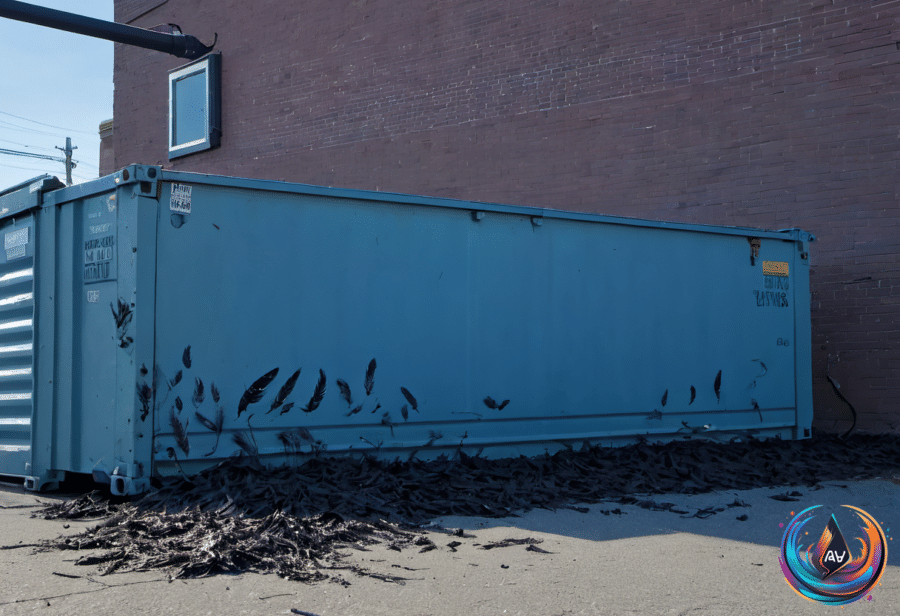
The group places microphone boxes in strategic areas across Boston, including dumpsters, where rats may gather. The recordings capture sounds that people cannot hear, creating a stream of information for researchers to examine. Before any audio reaches the AI models, all human sounds are redacted and then deleted for privacy.
That privacy step is central to the project because the microphones operate in places where human voices may also be recorded. The researchers can study rat sounds without keeping the human audio in the data sent to the models.
Jourjine’s description gives a sense of why these recordings matter. Rats may communicate through the night, when people cannot observe them easily, and their sounds may contain clues about what they are doing.
If the data helps researchers understand what rats are saying or about to do, cities could respond to rat problems before they grow. Black bait box traps spread across buildings already show that rats are present and that the problem is persisting. Information from AI could give cities another way to track activity instead of relying only on visible signs.
From animal sounds to better prevention
Ricky Meinke, director of the Rat City Arts Festival, sees a possible use in timing. “Maybe through vocalization of rats, we understand how active rats are at certain times of the day or at night, so that maybe we can place bait for rodent control at specific times.”
That approach could change how long control measures remain in public spaces. Poisonous rat boxes can harm other animals, and AI may help reduce the time those boxes stay on the street by showing when rats are active and when bait placement may work best.
Meinke also connects the project to the wider growth of AI: “AI being so expansive as it is, we could only fathom it would just take a little bit of time to reach the rats.” The technology may offer practical help, but its value depends on whether researchers interpret animal signals correctly.
The Rat City Arts Festival already works to educate people about rodent prevention through rat walks and mitigation education, especially in the Allston and Brighton areas. That work places the AI project alongside public education, rather than treating technology as the only answer.
Animal communication research now sits between discovery and caution. Machine learning can sort sounds, identify vocalizations, and find patterns across huge amounts of data. But researchers still need to understand what those patterns mean. The work with carrion crows and rats shows both sides of the effort: AI can help humans listen to animals, but careful interpretation must come before claims about what animals are saying.
Based on