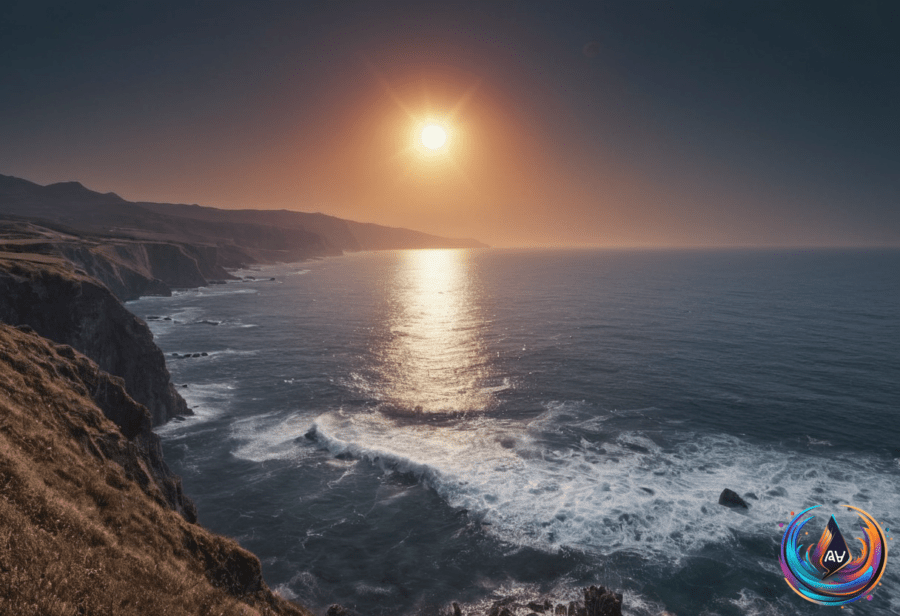
The total solar eclipse on August 12, 2026, is shaping up to be a spectacular event. It’s the first total eclipse since 2024. What makes this one special is that it falls during the annual Perseid meteor shower. That means you could see shooting stars and the moon covering the sun all in one night.
This eclipse will last longer than most. The moon will be at its closest point to Earth, called lunar perigee. That makes the shadow move slower and the total eclipse last longer. The moon’s dark shadow, or umbra, will race along a path more than 5,000 miles long. Totality—the moment the sun is completely covered—will last up to 2 minutes and 18 seconds in Spain. In Iceland, it will last even longer.
Best Places to Watch the Eclipse
If you want the longest view of the total eclipse, head to Látrabjargi in western Iceland. That spot will see the full eclipse for the longest time. Northern Spain is another great place. Cities like Bilbao, Burgos, Palma, Santander, Valencia, Valladolid, and Zaragoza sit right in the path of totality. Totality there can last over two minutes.
A tiny part of Portugal will also experience totality. Montesinho Natural Park in Bragança, near Portugal’s northeast border, will get a brief full eclipse. Other remote spots in Russia and Greenland will see total eclipses too.
People in the UK and Ireland won’t see a full eclipse, but they will get a great partial view. Coverage will range between 90% and 98%, with places like Cornwall, Scotland, Wales, Ireland, and London enjoying the show. In London, the eclipse will start at 6:17 pm, with the maximum coverage at 7:12 pm. Dublin will see about 94% coverage.
Partial Eclipse Views Across North America and Europe
In North America, the eclipse will be partial. Some parts of Canada and the US will see the sun covered, but only a little. For example, New York City will see about 9% coverage. Montreal will get around 18%. St. John’s, Newfoundland, will see up to 53% coverage.
In Oslo, Norway, viewers will see about 83% of the sun covered. The eclipse will be total in Greenland, Iceland, and northern Spain. The rest of Europe will get partial views depending on their location.
Viewing Safety and Tips
It’s safe to look directly at the eclipse only during totality. At all other times, you must protect your eyes. Normal sunglasses do not block enough sunlight. You need special eclipse glasses that meet safety standards. These glasses should be in good condition, not old or damaged.
If you don’t have eclipse glasses, you can still watch safely. Use indirect methods like pinhole viewers, colanders, or household objects with small holes to project the eclipse onto a surface. That way, you avoid eye damage.
The eclipse will be an unforgettable experience for skywatchers. Michael Zeiler, an eclipse mapmaker, said, “What gets me excited is viewing rare phenomena.” This event connects us with the cosmos in a unique way. Carole Mundell from the European Space Agency called it “a real human connection between us with our feet planted on the Earth and the cosmos.”
Even though the 2026 eclipse is short, it is still valuable. Amir Caspi, a researcher at the Southwest Research Institute, said, “It’s true the eclipse is short, but it’s still incredibly valuable.” For many, this will be a lifetime memory.
Looking Ahead to Future Eclipses
If you miss the 2026 event, don’t worry. Another total solar eclipse will sweep across parts of the world on August 2, 2027. That one will last up to six minutes and 23 seconds, nearly three times longer than 2026’s eclipse. Then, on January 26, 2028, a ring-of-fire eclipse will occur.
The 2026 solar eclipse is a rare chance to see the sun disappear behind the moon. Whether you travel to Iceland, Spain, or watch from home with proper protection, it’s an event worth marking on your calendar.
Based on
- Here’s where you want to be to see the 2026 solar eclipse — engadget.com
- There Are 2 Eclipses This August. Here’s How to See Them | WIRED — wired.com
- Solar eclipse 2026: How and when to see the Moon block out the Sun in eerie display | The Independent — independent.co.uk
- August’s total solar eclipse will sweep over Spain, Iceland and Greenland | The Independent — independent.co.uk
- The best places to view the solar eclipse in the UK | The Independent — independent.co.uk