Apple has raised prices on many of its products. The increases hit Macs, iPads, and smart home devices. Some models now cost hundreds of dollars more than before.
For example, the entry-level MacBook Neo, which launched in March 2026 at $599, is now $699. The iMac price climbed from $1,299 to $1,499. The MacBook Pro with 1 terabyte of storage rose by $300, now starting at $1,999 instead of $1,699.
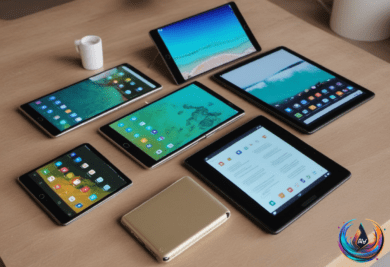
The Mac Studio saw the biggest jump—a $1,300 increase to $5,299 from $3,999. iPads also became more expensive. The base iPad with the A16 chip went up from $349 to $449. The iPad Air now starts at $749, up $150, and the 11-inch iPad Pro moved from $999 to $1,199.
Apple’s smart devices also got pricier. The Apple TV increased from $129 to $199. The HomePod rose to $349 from $299, and the HomePod mini now costs $129 instead of $99. Even the Apple Vision Pro (M5) went up $200 to $3,699.
The reason behind the price hikes
Apple said it can no longer absorb soaring costs for memory and storage chips. Tim Cook, Apple’s CEO, explained these components have become very expensive. He said, “Unfortunately, price increases are unavoidable. We’re doing our best to mitigate the huge increases that are being passed to us, and we’ve been trying to shield our customers from the increases, but the situation has become unsustainable.”
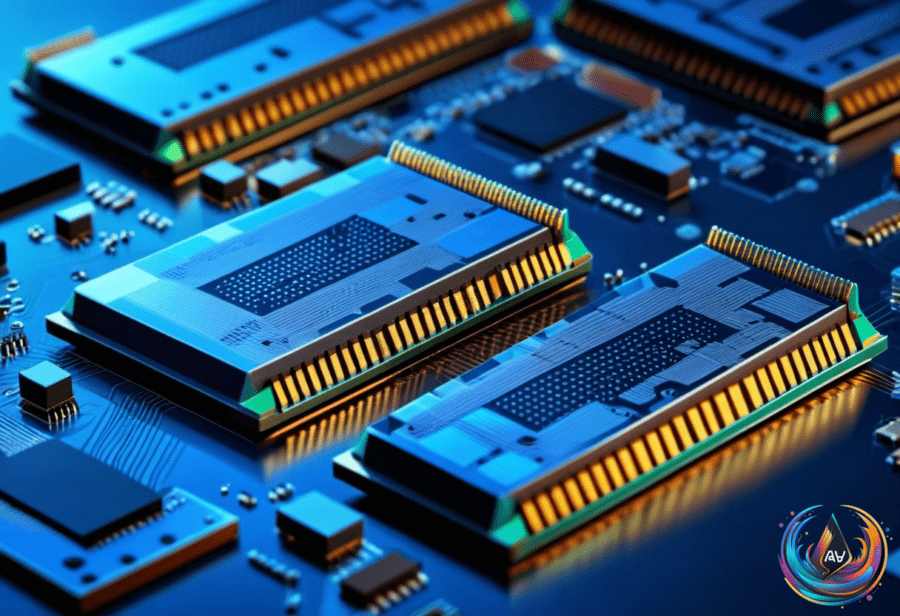
Memory prices are skyrocketing due to rising demand from AI and data centers. DRAM prices jumped by as much as 98% in the first quarter of 2026. They are expected to rise another 58% to 63% this quarter. This surge is driven by the AI industry needing vast amounts of memory to power data centers.
What this means for Apple and the tech industry
Apple’s move shows even the biggest companies are feeling the pinch. Paolo Pescatore, a tech analyst, said, “This is a significant moment because even Apple, with its scale and buying power, is no longer immune to the rising cost of key components.”
Micron, a major memory supplier, has secured $22 billion in long-term customer commitments. Its CEO, Sanjay Mehrotra, noted, “Our customers are recognizing that supply shortages in memory and storage will take considerable time to improve.”
Apple’s price hikes do not affect the iPhone for now. But with memory costs so high, other products may see future changes. Even chipmakers like TSMC are feeling the impact, as chip costs rise alongside memory prices.
For consumers, this means paying more for new Apple devices. The AI boom is changing the supply chain and cost structure behind the products millions use every day. This shift is likely to ripple across the tech world for some time.
Based on
- Apple ratchets up prices, blames the cost of memory — arstechnica.com
- BREAKING: Apple raises prices of iPads, Macs, and more amid rising memory component costs — appleosophy.com
- Apple raises prices of MacBooks, iPads as memory costs skyrocket – The Economic Times — economictimes.indiatimes.com
- Apple passes RAMpocalypse costs on to consumers — theregister.com
- Apple hikes MacBook and iPad prices, blaming high chip costs — bbc.com