Most people download much more than they upload. Ben Stegner puts it plainly: “Most people download much more than they upload.” That basic pattern explains why many internet plans give users far more download capacity than upload capacity.
Almost every way we interact with the internet involves downloading. We open webpages, install apps, update games, stream content, and download system software. What comes back to our devices is often much larger than what we send out, so internet connections are built around that difference.
Most Online Activity Moves Data Toward You
Standard browsing is a clear example. A device may send a request for a webpage, but the webpage sends much more data back. The same pattern appears when installing or updating apps, games, and system software, since those tasks can take a lot of network bandwidth on the download side.
Streaming also follows this pattern. Unless someone is transferring massive files, streaming on Twitch, or taking part in multiple video calls, fast upload speeds are generally unnecessary. For the average person, having 80 or 90 percent of their bandwidth available for downloads matches the way the connection gets used.
That balance shows up in cable internet plans. Xfinity plans offer download tiers of 300 Mbps, 500 Mbps, and 1 Gbps, with a typical upload speed of 117 Mbps. Moving to the 2 Gbps plan raises the upload speed to around 293 Mbps, but the download side still receives much more capacity.
The reason is not only how people use the internet. The cable network itself was built around that use.
Copper Cable Shapes the Upload Difference
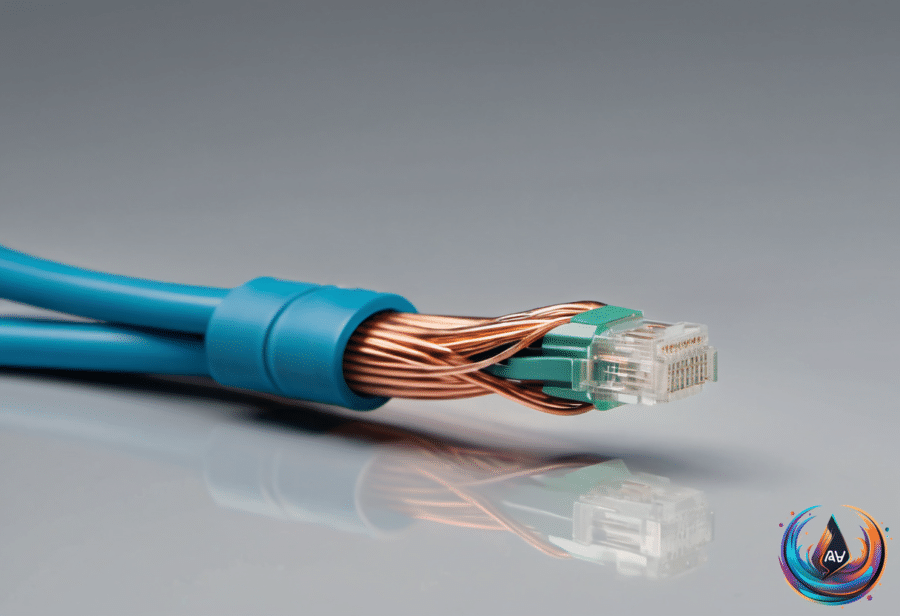
Standard cable internet uses coaxial copper lines that were originally designed for cable TV, a one-way setup. Cable infrastructure grew around the idea that most activity would be download-based, so sending data toward users received more attention than sending data back from them.
The DOCSIS standard allows internet signals to travel over cables that were not initially intended for internet use. Newer versions of DOCSIS improve the maximum download and upload speeds, but those upgrades require costly equipment changes.
Cable networks also share bandwidth. When many users in the same area are active, speeds can slow because those connections draw from the same network capacity. That shared setup can affect the experience even when a plan offers a high download number.
Fiber internet takes a different path. It uses light inside a cable, so it does not face the same limitations as copper cables. Fiber connections typically offer equal upload and download speeds, giving users the same capacity in both directions.
Fiber connections also do not have bandwidth-sharing issues tied to neighborhood usage levels. Fiber cables are less susceptible to interference and electrical noise, which gives the connection another advantage over copper-based cable networks.
Why Downloading Can Feel Faster
There is another piece of the puzzle: content delivery networks, or CDNs. These networks help distribute download data by placing servers near users, which lets data travel to devices more efficiently. Netflix and Google use CDNs to deliver data more quickly to users.
CDNs do not change the basic upload limits of a cable connection. They help with the direction most people use most: receiving data. When a nearby server handles a download, the content can reach the user more efficiently, while the upload side still follows the limits of the connection and its underlying cable network.
For most households, that arrangement fits normal online activity. Browsing, software updates, app installations, games, and streamed content all place more demand on downloads than uploads. A connection that reserves most of its bandwidth for downloads reflects that demand.
Upload speed becomes more important when the activity changes. Massive file transfers, Twitch streaming, and multiple video calls can send much more data away from a device, making a slow upload connection easier to notice. Fiber’s equal upload and download speeds fit those tasks better, while cable plans keep a stronger focus on downloading.
The gap between upload and download speeds comes from two facts working together: people receive much more data than they send, and cable networks were built to support that pattern. Fiber removes many of the copper limitations, but the average person still spends most of their bandwidth downloading. For everyday internet use, that is why a connection can feel fast in one direction and much slower in the other.