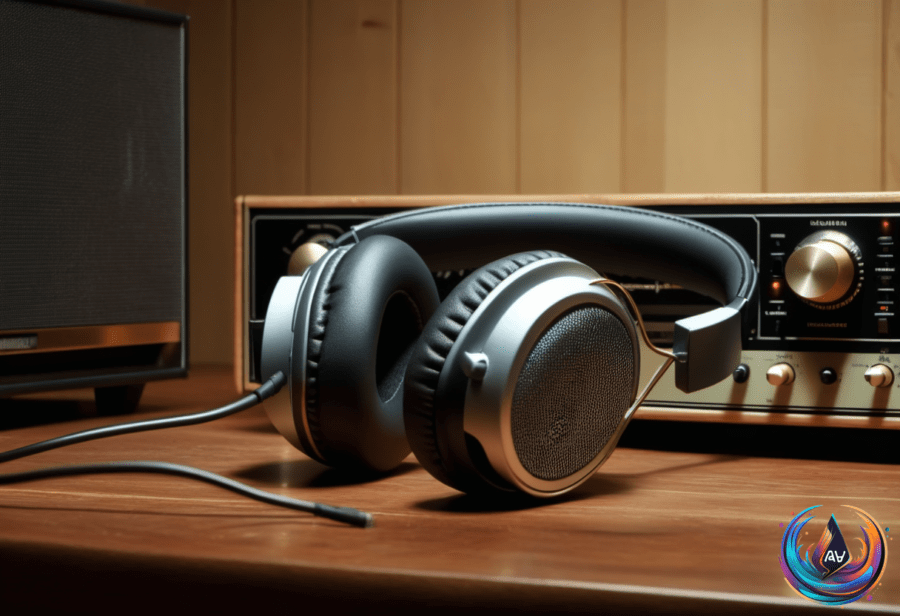
Wired headphones are making a huge comeback. After years of fading into the background, their sales surged throughout the latter half of 2025—and the momentum is still building. Why? People want better sound without the hassle of wireless glitches. Plus, wired options cost less but deliver similar audio quality to high-end Bluetooth models.
The Wired Revolution
The market is buzzing with new wired headphone options that pack serious punch. Take Sennheiser’s latest HD400U model. These headphones cost just $100 but handle 24-bit audio at a 96kHz sample rate. That’s the kind of quality audiophiles dream about—without the $450 price tag of wireless rivals like the Bowers & Wilkins Px7 S3.
Bluetooth has its perks, but it also drains your phone’s battery fast. It causes signal interference, audio stuttering, lag, and dropped connections. Wired headphones dodge all that. No lag. No interference. The only weak point? The wire itself, if it gets frayed.
People are turning away from modern tech’s quirks. They crave vintage-style gadgets like vinyl records and mechanical watches. Wired headphones fit right in. Vinyl sales topped $1 billion in 2025, showing this trend isn’t just a fad. Wired headphones offer great sound and a touch of nostalgia.
Prices tell the story too. Wired headphones and classic gadgets have kept steady prices. New tech keeps climbing in cost. That makes wired gear an attractive bargain for anyone wanting quality without breaking the bank.
Wired Headphones as a Fashion Statement
Wired headphones aren’t just for sound geeks. Celebrities and influencers are spotted wearing them everywhere. Ariana Grande, Charli XCX, Robert Pattinson, and Lily-Rose Depp all sport wired headphones publicly. The Instagram account “Wired It Girls” showcases this stylish trend.
This vintage tech vibe is catching on. People see wired headphones as cool accessories, not just tools. They combine old-school charm with modern sound quality, making them a must-have for style-conscious listeners.
Protecting Hearing with Ear-Plugs and Listening Bars
Hearing loss is a serious issue. About one in three UK adults suffers from it, according to the Royal National Institute for Deaf People. The British Association of Audiologists calls hearing loss one of the most common disabilities.
That’s why ear-plugs are rising in popularity, especially among music fans. Brands like Loop, Alpine, and Hears offer ear protection that gig-goers love. These plugs filter out unwanted noise and make live music clearer.
- “They drown out the crowd a little bit and bring down the bass, because sometimes it can be really overwhelming and you can’t hear properly,” says Paula, a frequent concert attendee.
- “Most of my friends are talking about trying to protect their hearing a bit more,” Paula adds.
- Radio 1 DJ Sarah Story credits ear-plugs with saving her hearing. She’s been using them since age 19. “I do believe they actually saved my hearing,” she says.
- Proper fit and compliance with safety regulations make ear-plugs effective and comfortable.
Alongside ear-plugs, listening bars are carving out a new niche. These venues, like Shibuya HiFi in Seattle, let people enjoy full-length albums together in a communal space. They’re popping up across the U.S., with locations in Minnesota, Missouri, and Colorado.
Co-owner Quentin Ertel explains the appeal: listening bars create a focused environment where music lovers can savor every detail. Brandon Stalling calls this experience “a lost art.” He says, “To sit and be quiet, it’s a lost form, it’s a lost art.”
Designer Devon Turnbull is behind some of the most impressive audio spaces. His handmade equipment and large listening rooms celebrate sound in a way streaming can’t match. Turnbull shares, “My mom always told me that I used to just crawl to the living room and just sit in-between the speakers.”
His installation, “HiFi Pursuit Listening Room Dream No. 3,” is on display through August 16 at the Smithsonian’s Cooper Hewitt Museum.
The Rise of GaN Chargers
Sound and listening aren’t the only tech areas changing fast. Laptop chargers are shrinking thanks to Gallium Nitride (GaN) semiconductors. GaN chargers deliver power up to 150W but are 40 to 50 percent smaller than older silicon models.
They create less heat and reach up to 99 percent efficiency. Silicon chargers hover around 85 percent. Most modern MacBook Pro chargers and premium Lenovo and Dell models use GaN tech.
Entry-level laptops like the MacBook Air still use silicon chargers but can safely work with GaN chargers. Though GaN devices cost more, the price gap is closing.
Why This Matters
People want better sound, smarter tech, and healthier habits. Wired headphones deliver top-tier audio with less hassle and cost. Ear-plugs protect millions from hearing loss while making music clearer and safer. Listening bars revive the magic of focused, shared music experiences.
GaN chargers pack more power into smaller, cooler, and more efficient designs. This tech shift changes how we power our devices daily.
We’re witnessing a fascinating blend of old and new. Vintage tech charm meets cutting-edge engineering. The future sounds wired, efficient, and full of quality moments. Are you ready to plug in and tune up?
Based on
- Why are people ditching wireless earbuds, and are wired headphones really making a comeback? — engadget.com
- Daisy’s First Headphones Are Premium, High-Quality—and Just a Little Bit Cheaper | WIRED — wired.com
- Why are music fans choosing to wear ear plugs at festivals? — bbc.com
- Reclaiming the lost art of listening to music – CBS News — cbsnews.com
- Why Bulky Laptop Chargers Are A Relic Of The Past — engadget.com