Anthropic launched Claude Science on June 30, 2026. It is an AI workbench built to help scientists with computational research. The tool gives scientists one environment to work in, focusing on life sciences for now.
Claude Science is not a new AI model. It uses the same Claude models already available, including Claude Opus 4.8. There is no special access or gating for this workbench. Anyone with a Pro, Max, Team, or Enterprise subscription can use it during the beta period.
This new tool builds on Anthropic’s earlier release from October 2025, called Claude for Life Sciences. Claude Science offers a dedicated space tailored for life science projects. It integrates datasets and tools to help researchers explore biology more efficiently.
Support and Opportunities for Researchers
Anthropic will back up to 50 Claude Science projects. Each project can receive up to $30,000 in credits to support its work. Applications for these projects are open until July 15, 2026. Successful applicants will be notified by July 31.
The selected projects will run from September 1 to December 1, 2026. This gives researchers a clear timeframe to explore their ideas using the AI workbench. The goal is to accelerate scientific research by providing powerful AI tools in a single place.
Real-World Use Cases in Neuroscience and Cancer Research
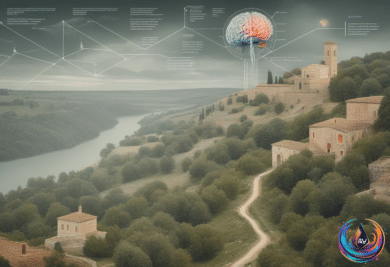
Scientists are already using Claude Science in their work. Jérôme Lecoq, a neuroscientist at the Allen Institute, has applied the platform in his research. Stephen Francis’s group at UCSF Brain Tumor Center also uses Claude Science to study brain tumors.
These examples show how Claude Science can support complex scientific questions. It allows teams to integrate data and AI tools without switching between multiple platforms. The AI models help analyze information but do not extend beyond their current capabilities.
Claude Science focuses on providing a seamless experience rather than upgrading the AI itself. This approach helps scientists concentrate on their research instead of technical hurdles. It also ensures equal access to the same models everyone else uses.
Anthropic’s move highlights a shift toward creating work environments around AI models. Instead of just releasing new AI versions, companies are building tools that bring data, models, and users together. This strategy could change how scientific research gets done in the future.
For now, Claude Science offers a fresh way for life science researchers to tap into AI power. With funding and support available, it could speed up discoveries in biology and medicine. Researchers interested should apply before the mid-July deadline to join the beta program.
Based on
- Synthetic Sciences Releases OpenScience: An Open-Source, Model-Agnostic AI Workbench for Machine Learning, Biology, Physics, and Chemistry Research — marktechpost.com
- Anthropic’s Claude Science bets on workflow, not a new model, to win over scientists | TechCrunch — techcrunch.com
- Claude’s getting a lab coat. | The Verge — theverge.com