Apple is gearing up for a wild ride in 2026. The company’s first foldable iPhone is set to launch late in the third quarter, and it’s already stirring up a frenzy. Why? Because this phone will be rare at first and packed with cutting-edge tech that challenges production. Can Apple deliver enough to meet the booming demand? The answer is both yes and no.
Foldable iPhone: Scarce at Launch, Hot Commodity
The foldable iPhone, rumored as the “iPhone Ultra” but still unnamed, is unlike anything Apple has made before. It features a 5.5-inch exterior display and a larger 7.8-inch interior screen. Both use flexible OLED technology with a laser-drilled metal support plate. This design spreads out stress across the fold, creating a nearly invisible crease. That’s a huge leap in smartphone tech.
But this innovation comes with a catch. Apple expects to produce only between 500,000 and one million units shortly after launch. That’s a tiny number compared to typical iPhone releases. Production will be slow because the folding mechanism is complex. Manufacturing challenges will slow the assembly lines in the early days.
One tech expert put it plainly: “The iPhone Fold’s complexity means production will get off to a slow start.” This echoes Apple’s early days with the iPhone X, which also faced slow production due to groundbreaking features.
Despite a steep price up to $2,500, demand will skyrocket. Pre-orders are expected to sell out immediately, with wait times stretching to six weeks or more through December. A market for short-term resale premiums could emerge, driven by scarcity and the device’s unique design. Apple’s first foldable phone is not just a gadget; it’s a collector’s item in the making.
By the end of 2026, Apple aims to ramp production up to seven or eight million units. That’s a massive jump, but it shows the company’s confidence in ironing out early manufacturing hurdles fast.
Samsung’s Foldable Phone: Wider, Boxier, and Ready to Compete
Apple won’t have the foldable market to itself. Samsung is preparing a new foldable phone, possibly a version of the Galaxy Z Fold 8. This phone will stand out with a boxier, wider folded form factor. Samsung has teased a “new shape” for its upcoming foldable, hinting at a different folding ratio and a more squared-off design.
This shift shows Samsung’s push to innovate beyond the current foldable phone norms. While Apple focuses on a sleek, nearly crease-free fold, Samsung bets on a practical, wider device that could appeal to multitaskers and productivity fans.
The MacBook Ultra: Apple’s Touchscreen Powerhouse for 2026
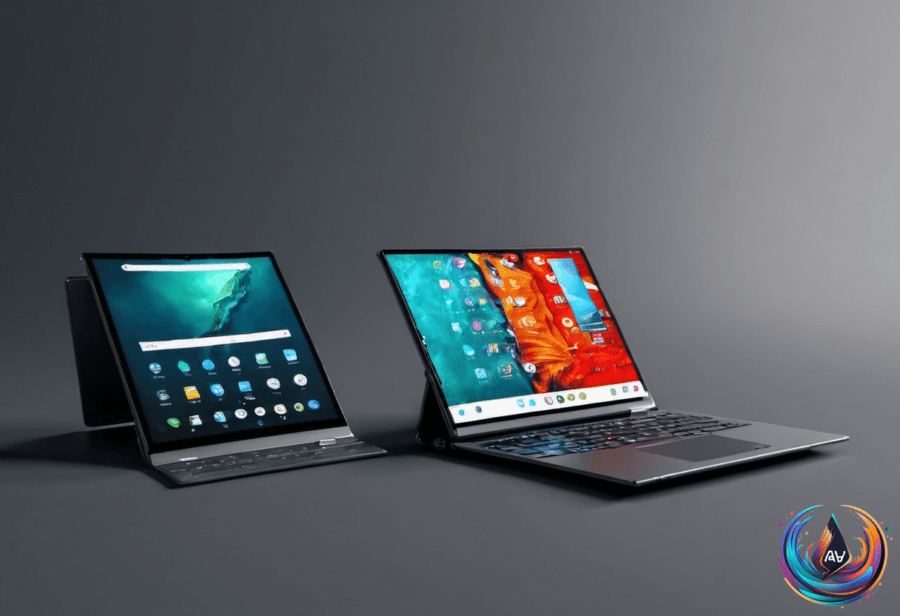
Apple isn’t stopping at phones. The MacBook Ultra is rumored to debut in the second half of 2026. This laptop could be Apple’s first with an OLED touchscreen. It promises a thinner, lighter, and more energy-efficient design than any MacBook before it.
The MacBook Ultra will support multi-touch input just like an iPad Pro or iPhone. It may even support the Apple Pencil, opening new creative workflows for users. Powered initially by the current M5 Pro and M5 Ultra chips, it will later shift to the upcoming M7 chips for even stronger performance.
Built-in 5G is also on the table, thanks to Apple’s own modem technology. Imagine fast, always-connected laptop power without relying on Wi-Fi.
Price-wise, the MacBook Ultra will likely be Apple’s priciest laptop yet. Expect it to cost well above the current 14-inch and 16-inch MacBook Pros, which start at $1,999 and $2,999 respectively. This will be a flagship device for power users who want the latest tech and a stunning touchscreen experience.
Looking Ahead: What’s Next for Apple in 2027?
The tech shake-up doesn’t stop in 2026. Apple plans a visual refresh for the entry-level 14-inch MacBook Pro in the first half of 2027. This model will adopt design cues from Apple’s higher-end laptops, bringing a fresh look and feel.
Spring 2027 could also bring new iPhone announcements. The base iPhone 18 and an updated iPhone Air are expected to debut, continuing Apple’s annual smartphone evolution. Meanwhile, Apple is testing four new iPad Pro models focusing on performance, sized at 11 and 13 inches.
Apple’s future devices combine style, power, and new user experiences. The foldable iPhone and MacBook Ultra mark a turning point. These gadgets push hardware boundaries and set the stage for a new era of mobile and laptop tech.
Get ready. The next two years could change how we use phones and laptops forever.
Based on
- Apple’s foldable iPhone may be in short supply after it launches — engadget.com
- Samsung Teases Wide-As-Hell New Foldable — engadget.com
- MacBook Ultra Rumors: What To Expect Including The Touchscreen, Chips, Release Date And More — engadget.com
- Samsung starts teasing its wider foldable phone. | The Verge — theverge.com
- Apple Is Reportedly Planning A Visual Refresh Of The Entry-Level MacBook Pro Next Year — engadget.com