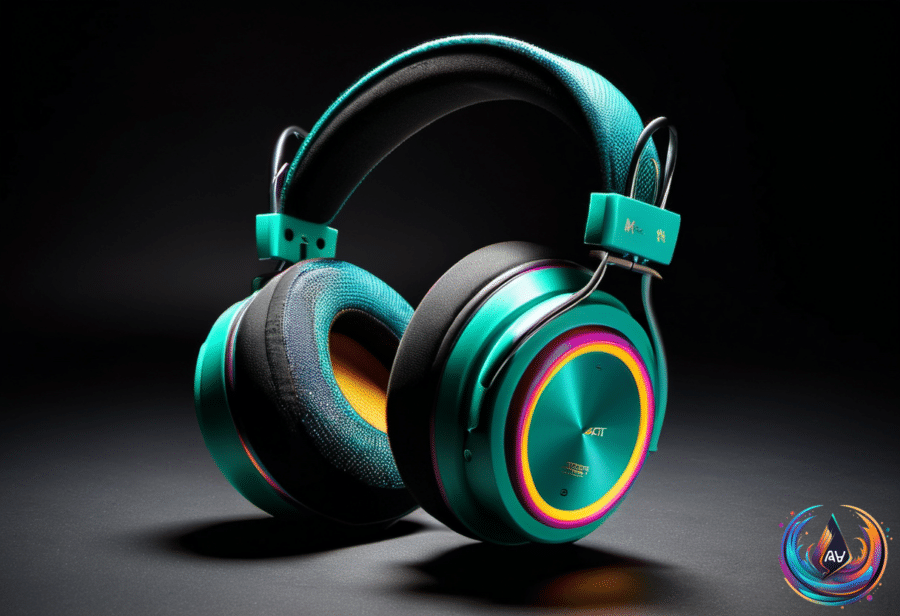
Three high-end headphones take three different paths toward better listening. Beats 360 brings a lighter build, colorful customization, and Apple ecosystem features, while AirPods Max 2 focuses on a familiar premium design and Sony WH-1000XM6 pushes audio quality and wired flexibility.
All three models target listeners who want strong noise cancellation and over-ear comfort, but the differences matter. Weight, cushion design, controls, battery life, audio support, and price can change the experience before the first song even starts.
Beats 360 and AirPods Max 2 Share the Apple Advantage
Beats 360 and AirPods Max 2 are both over-ear headphones with flexible headbands and interchangeable ear cushions. Both support Apple features such as quick pairing, automatic device switching, and Find My, giving them a strong connection to the Apple ecosystem.
The weight difference is one of the clearest dividing lines. Beats 360 weighs 294 grams, while AirPods Max 2 weighs 386 grams. That gives Beats 360 a lighter frame, although its clamping force can become uncomfortable for people with larger heads.
Beats 360 uses mostly plastic with a stainless steel arch and introduces a slimmed-down headband that works with interchangeable cushions. Its design takes a sportier approach, with colorful options and more ways to customize the materials and colors of the cushions and headband.
AirPods Max 2 takes a different route with its interchangeable ear cushions held in place magnetically. Removing them is easy: gently pull them off. Beats 360 uses a twist mechanism for its cushions, which offers a similar idea but is not as seamless.
Beats 360 includes two cushion types. Performance cushions use woven fabric, while UltraPlush cushions offer another option for the fit. That choice adds flexibility for listeners who want to change the feel of the headphones without replacing the entire product.
The carrying cases also reveal a clear design split. Beats 360 comes with a fabric, gym-bag-style pouch that closes magnetically and protects the headphones from dust and scratches. AirPods Max 2 uses a Smart Case that covers the ear cups.
Controls, Software, and Battery Life
Beats 360 places physical buttons on the headphones for listening mode, power, volume, and play/pause. The buttons are slightly raised, but they can be difficult to distinguish by touch. That control layout gives Beats 360 direct onboard commands without relying on a touch-sensitive surface.
Sony WH-1000XM6 takes the opposite approach with a touch-sensitive surface that supports swipes and taps. Its understated design uses plastic, muted colors, and synthetic leather cushions, creating a quieter visual direction than the sportier Beats 360.
Beats 360 integrates software features into iOS and Android, with the Beats app handling customization and firmware updates. It does not include automatic pausing or wear detection, so playback does not respond to removing the headphones in the same way those features would.
Battery life gives Beats 360 a strong position. It offers up to 32 hours with ANC or Adaptive EQ enabled. Sony WH-1000XM6 offers up to 30 hours, while Beats 360 also claims 1.75 times more total noise cancellation than Studio Pro.
Beats 360 supports ANC on and off, along with Transparency mode. Sony WH-1000XM6 offers adaptive ANC and ambient sound modes, and both headphones deliver effective noise cancellation, with Sony holding a slight edge.
Sony Pushes Audio and Wired Listening
Beats 360 delivers sound that is mostly clear and balanced, but Sony WH-1000XM6 has the edge in audio performance. Sony produces richer audio with more pronounced bass than Beats 360, giving it a stronger position for listeners who want a fuller sound.
Sony also supports LDAC, which allows higher-quality audio over Bluetooth than the AAC codec used by Beats 360. That difference gives Sony WH-1000XM6 an important advantage for listeners who focus on wireless audio quality.
Wired listening creates another sharp divide. Sony WH-1000XM6 includes a 3.5mm jack for wired use and true lossless audio. Beats 360 does not support wired listening or lossless audio over USB-C, and neither Beats 360 nor Sony WH-1000XM6 supports USB-C audio passthrough.
Price changes the calculation. Beats 360 costs $350, while Sony WH-1000XM6 costs $460. Sony also weighs less than both competitors at 254 grams, offers up to 30 hours of battery life, and arrives with a hard-shell case that stores the headphones folded.
That makes the choice clear in broad strokes. Beats 360 combines a lower price, Apple integration, a lighter build than AirPods Max 2, long battery life, and a sportier design with customizable cushions and headbands. AirPods Max 2 delivers the familiar Apple feature set, magnetic cushions, and a heavier premium design.
Sony WH-1000XM6 takes the lead for richer audio, pronounced bass, LDAC support, wired listening, a lighter frame, and a slight noise-cancellation advantage. The next decision is not about one universal winner; it is about which direction matters most when these headphones leave the case and start working every day.
Based on