California is putting new limits on how companies use artificial intelligence to make decisions about workers. The legislation targets AI-powered layoffs, employee surveillance, and disciplinary actions, creating a direct challenge to systems that can shape a person’s job without human judgment.
Gavin Newsom, California governor, signed the laws on September 30, 2026. The enactment, reported on October 1, 2026, focuses on a growing workplace question: how much power should an automated system have over someone’s employment?
AI Cannot Stand Alone in Firing Decisions
California’s new law prohibits employers from relying only on AI when making a disciplinary action or termination decision. A company may use an AI system as part of its process, but the system cannot serve as the sole basis for deciding that a worker should lose a job.
That rule reaches the heart of AI-powered layoffs. Companies are using technology to help assess workers, and one in four managers reportedly use AI to help decide which employees to cut “often or all the time.” California’s legislation responds to that practice by requiring more than an automated judgment before a disciplinary action or termination takes place.
The focus is not limited to individual firings. The laws also cover companies that use AI to initiate job cuts, monitor employees, or shape broader workplace decisions. If an AI system causes a mass layoff, relocation, or termination, companies must provide transparency about that role.
That transparency requirement gives workers a clearer view of how a major employment decision happened. Instead of leaving the process inside an automated system, the law requires companies to explain when AI caused a mass layoff, relocation, or termination.
Surveillance Rules Reach the Workplace Bathroom
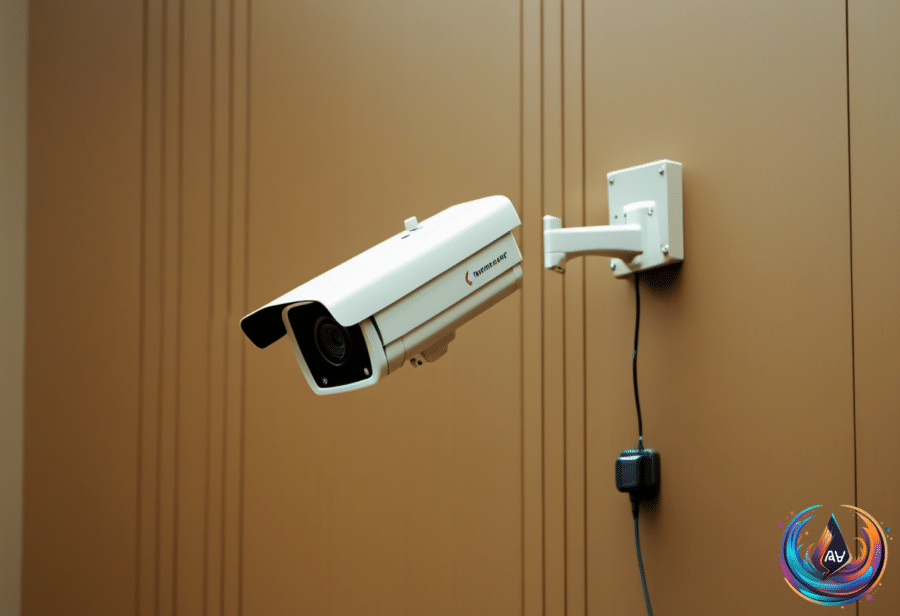
The legislation also protects workers from surveillance tools in workplace bathrooms. That provision draws a firm boundary around employee monitoring, showing that California’s effort is not only about hiring, firing, or productivity decisions.
Workplace surveillance can follow employees through many parts of their jobs, but the new law identifies bathrooms as an area that requires protection. The restriction places employee privacy at the center of the state’s response to AI-powered monitoring.
The laws are aimed mostly at companies that use AI to monitor employees or initiate job cuts. That puts pressure on employers to examine how their systems operate before those tools affect workers, from everyday surveillance to the most serious employment decisions.
California Expands Its AI Rules Beyond Companies
The new legislation also addresses legal work. It prohibits lawyers from fully handing over core legal tasks, such as drafting briefs, to AI. That rule extends the state’s approach beyond corporate workplaces and into professional responsibility.
California is also setting terms for how state agencies describe the technology. Newsom signed an executive order requiring state agencies to refer to the tech as “artificial intelligence” rather than “super intelligence.” The language rule places the state’s official vocabulary on the same practical footing as its workplace protections.
Newsom framed the laws as a defense of opportunity and family security. “AI should expand opportunity — not come at the expense of workers and families,” he said.
He also pointed to the limits of federal action, saying, “we have to do a lot more in the absence of federal leadership.” That statement captures the larger force behind California’s legislation: the state is moving on workplace AI rules while federal leadership remains absent.
Employee complaints about biased AI tools at Meta add to the concerns surrounding automated workplace systems. Those complaints show why AI bias remains part of the debate, especially when software helps influence who stays, who leaves, and how workers are monitored.
California’s laws now connect those concerns to specific protections. AI cannot make a disciplinary or termination decision alone, companies must disclose when AI causes mass layoffs, relocations, or terminations, and surveillance tools cannot enter workplace bathrooms.
The next stage will center on how companies and professionals adjust to those boundaries. California has made its direction clear: artificial intelligence can support workplace decisions, but it cannot erase transparency, human responsibility, or basic worker protections.
Based on
- California’s new law bans companies from relying on AI to fire workers — engadget.com
- Gavin Newsom signs laws to protect workers from AI risks — ctvnews.ca
- Gavin Newsom signs laws to protect California workers from AI threat | California | The Guardian — theguardian.com
- California Gov. Gavin Newsom signs laws to protect workers from AI risks – The Washington Post — washingtonpost.com