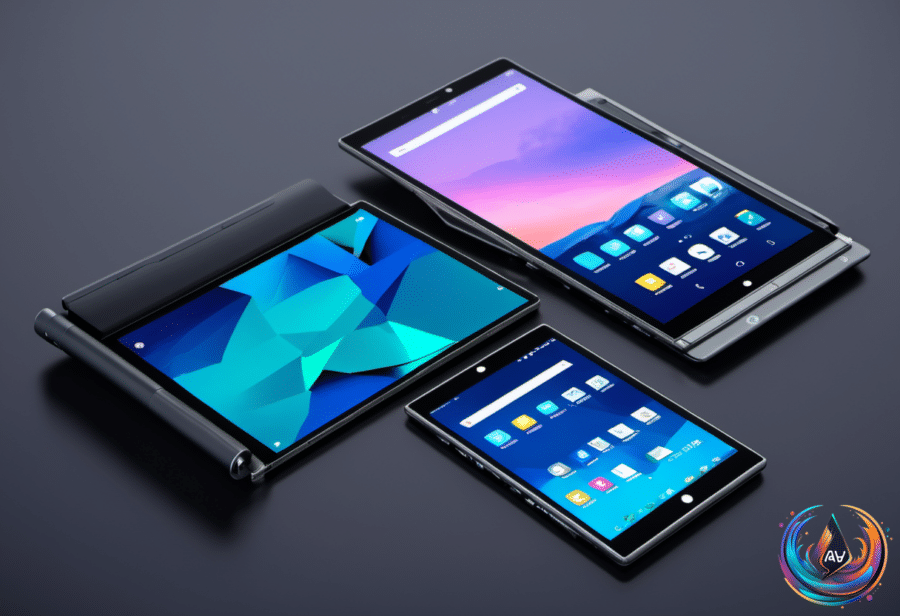
What if your next phone could swallow a tablet without taking over your bag? Book-style foldables now offer displays up to 8 inches, creating a bigger mobile workspace while folding down to a typical smartphone size.
That trade-off is attracting attention, even though foldables account for approximately 2 percent of the entire smartphone market. Devices are novel enough that 59 percent of smartphone owners are interested in the category, but cost and durability concerns still shape the decision. The real question is not whether foldables are exciting. It is whether the larger screen earns its premium.
A Phone That Can Replace a Casual Tablet
The screen gap between a foldable and a compact tablet is now surprisingly narrow. The latest iPad Mini features an 8.3-inch screen, while the Pixel 11 Pro Fold and Galaxy Z Fold 8 have screens only 0.3 inches larger. The iPhone Duo has a 7.6-inch screen, putting it in the same conversation for people who want more display without carrying a separate tablet.
Most people aren’t carrying a compact tablet around, but an 8-inch device that folds down to a typical smartphone size offers convenience. You can use it for the features normally handled by a smartphone, then unfold it when you want a tablet experience. Instead of moving between two devices, a foldable consolidates those uses into one.
That difference becomes clear when you leave home. Most tablets need a second cell plan if you are moving around and need full access to their features, while a foldable brings those phone functions and its larger display together. When you finish, it slides into a back pocket.
For casual tablet use, that may be enough to settle the debate. A foldable works well for two or three-app multitasking, portable entertainment, and tasks that benefit from more room than a standard smartphone provides. Android handles large screens and split-screen multitasking better than it used to, giving foldables a stronger case as mobile all-purpose devices.
Where Tablets Still Pull Ahead
A foldable cannot match the comfort and larger workspace of a tablet. The difference matters when the screen is not just for watching video or checking two apps, but for video editing, graphic design, or work that benefits from a larger canvas.
Tablets also avoid several compromises built into foldable designs. A phone used as a full-time work machine puts more strain on the battery, and the smaller folded form does not erase the limits of a mobile device. Foldables can connect with most peripherals a tablet can, but that connection does not turn every foldable into a comfortable desktop replacement.
Software adds another fault line. Some apps struggle to scale or transition smoothly between the outer and inner displays, and an app can use the unfolded screen less than gracefully. The larger panel promises flexibility, but the experience still depends on whether software knows how to use it.
The hardware brings its own list of trade-offs:
- Foldables start at premium prices, including products such as the Pixel 11 Pro Fold and Galaxy Z Fold 8.
- Hardware complexity, cost, wear and tear, bulkiness, weight, and software issues all work against the format.
- Most popular U.S. foldables weigh over 200g.
- Designers have dispensed with bulky camera mechanisms to make devices thinner, resulting in less advanced cameras.
- Older models can show visible creases and become prone to scratches, while flexible displays remain vulnerable to scratches.
Foldable phones are becoming thinner and lighter, though they still have a way to go. Their smaller folded footprint solves one problem, but the device still needs to carry a complex hinge and a flexible display.
The Durability and Repair Question
Foldable devices are tested for folding resilience, but they do not last forever. Hinge mechanisms can become jammed by dust, and an Ingress Protection, or IP, rating evaluates resistance to dust and liquid. Those ratings matter because a foldable has more moving and flexible parts than a traditional smartphone.
Repair costs add another risk. Foldables are expensive to fix, and iFixit currently considers these devices “not repairable.” That assessment can turn a damaged display or hinge into a major ownership problem rather than a routine repair.
The “Wow” factor creates another concern: foldables encourage street trade in lost or stolen devices, making insurance essential. A premium phone with a distinctive design can attract attention, but that attention raises the stakes when the device disappears.
These drawbacks explain why foldables still come with more compromises than either a standard smartphone or a dedicated tablet. The category offers a powerful mix of portability and screen space, yet it asks buyers to accept premium pricing, uncertain repairs, extra weight, and hardware that needs careful treatment.
Who Should Make the Switch?
Choosing a foldable depends on one central need: do you want a bigger display badly enough to pay a premium? If the answer is yes, the format can replace a casual tablet, especially on the go. It brings phone access, a larger screen, multitasking, and portable entertainment into one device.
A traditional smartphone remains the better option for people who are rough on their devices, rely on unsupported apps, need better cameras, or watch every dollar. A dedicated tablet remains the stronger choice for video editing, graphic design, and work that demands a broad, comfortable canvas.
Foldables are not replacing every phone or tablet. They are carving out a new middle ground, one where an 8-inch display folds away when the larger workspace is no longer needed. As shoppers decide whether that flexibility justifies the price, the next purchase may come down to a simple choice: carry two devices, or accept the compromises of one device that tries to do both.
Based on